Diplomatic deferral under the shadow of Middle Eastern warfare
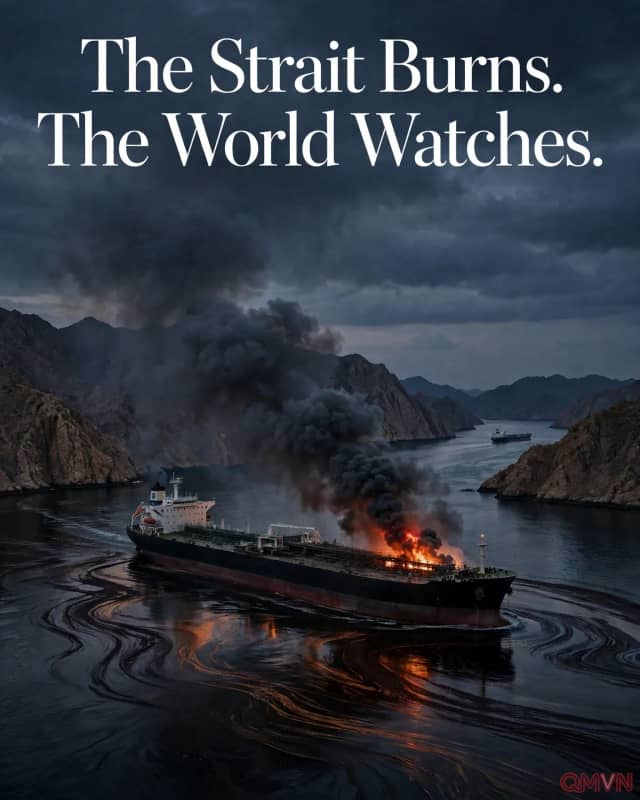
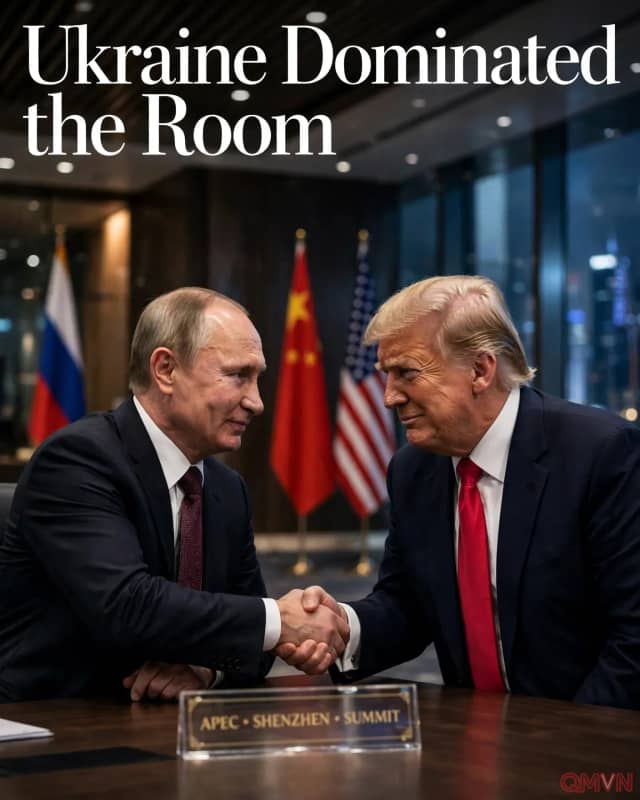
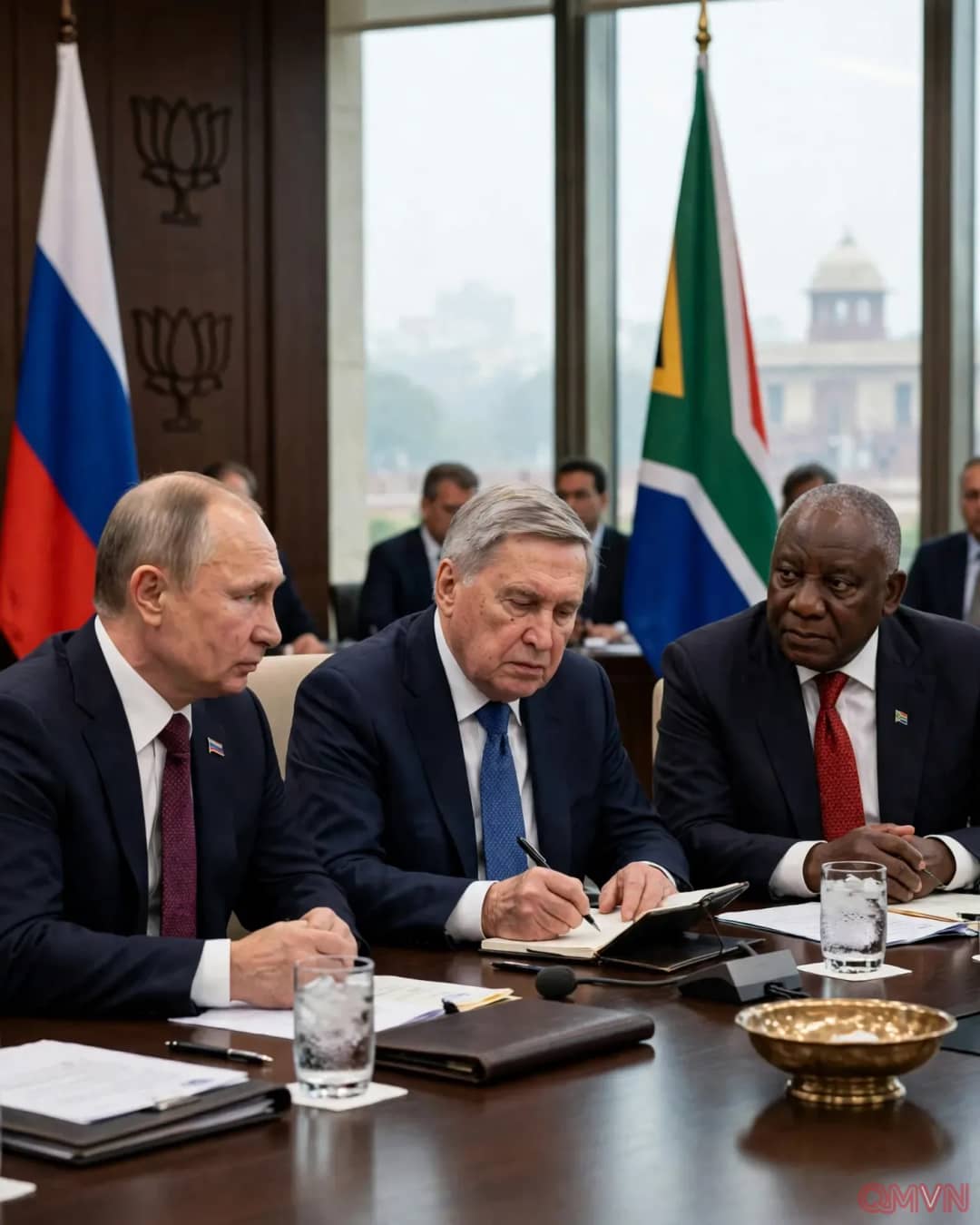
Hopes articulated by Ukrainian President Volodymyr Zelenskiy regarding an impending trilateral diplomatic breakthrough in Abu Dhabi between November 6 and November 10 have encountered deliberate pushback from Moscow. Kremlin foreign policy adviser Yuri Ushakov clarified that the timing of future discussions remains inextricably linked to operational developments on the frontlines and regional volatility generated by ongoing US-Israeli military operations against Iran.
“It will also depend on the situation on the battlefield and the situation in general; you can see the situation now in the Middle East, it just doesn't allow us to hold it in the near future.” — Yuri Ushakov
International strategic analysts observe that leveraging Middle Eastern turbulence provides Moscow with significant diplomatic room to maneuver. As American military munitions and executive oversight are diverted toward the Persian Gulf theater, the collective diplomatic leverage exerted by Washington upon Russian operational pacing in Eastern Europe is materially diluted.
Definitive exclusion of European capitals from the peace corridor
Simultaneously, the Kremlin firmly dismantled joint proposals advanced by the leaders of Britain, Germany, and France seeking formal European mediation roles in securing a sovereign ceasefire. Ushakov reiterated that established bilateral understandings restrict future consultations exclusively to envoys representing Russia, Ukraine, and the United States, keeping traditional European allies firmly on the diplomatic periphery.