CONTENT
Lethal administrative delays and systemic failures in emergency protective orders
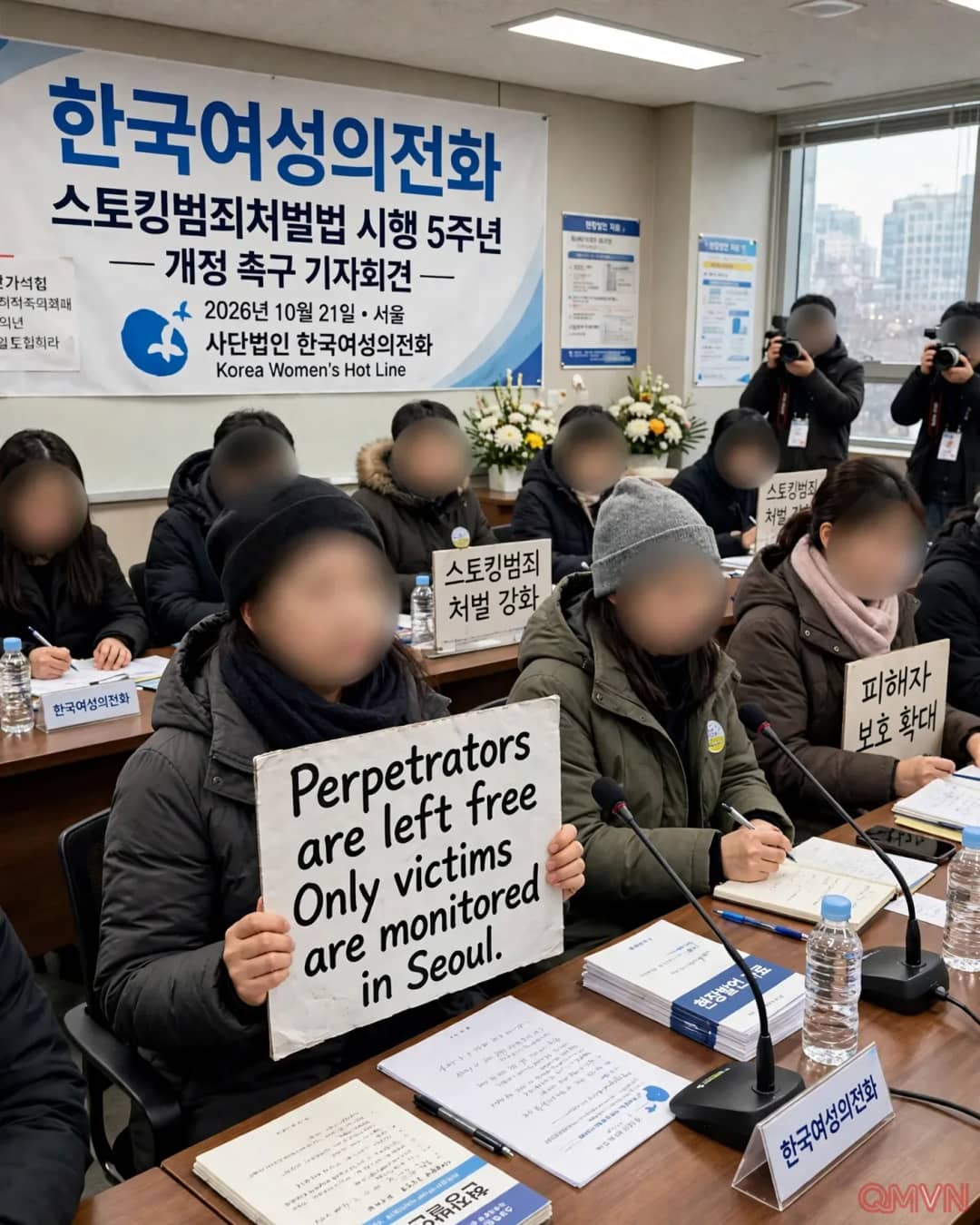
The gruesome killings of three women across Songpa-gu in Seoul, Jeju Island, and Jeonju in North Jeolla Province have laid bare catastrophic shortcomings within South Korea’s statutory stalking safeguards. In every single instance, local law enforcement agencies had received repeated emergency filings regarding the suspects prior to the fatal attacks, yet established institutional protocols proved incapable of preventing tragic escalations of domestic and dating violence.
In Seoul's Songpa-gu on October 11, a perpetrator murdered his mother-in-law and abducted his estranged wife eleven days after a court-mandated restraining order expired on September 30. Although police submitted an extension application on October 6, judicial authorities failed to reissue the order until October 12, exactly one day after the deadly assault. This twelve-day legal vacuum tragically enabled the suspect to hunt down the defenseless family without institutional hindrance.
"There was a 12-day gap between the expiration of the restraining order and the new order. The new order was issued only a day after the incident." - Song Ran-hee
Lethal twelve-day hiatus: Prolonged judicial delays in extending court protection orders created an unprotected corridor that enabled premeditated murder in Seoul.