Nomenclature Concessions And European Institutional Resistance
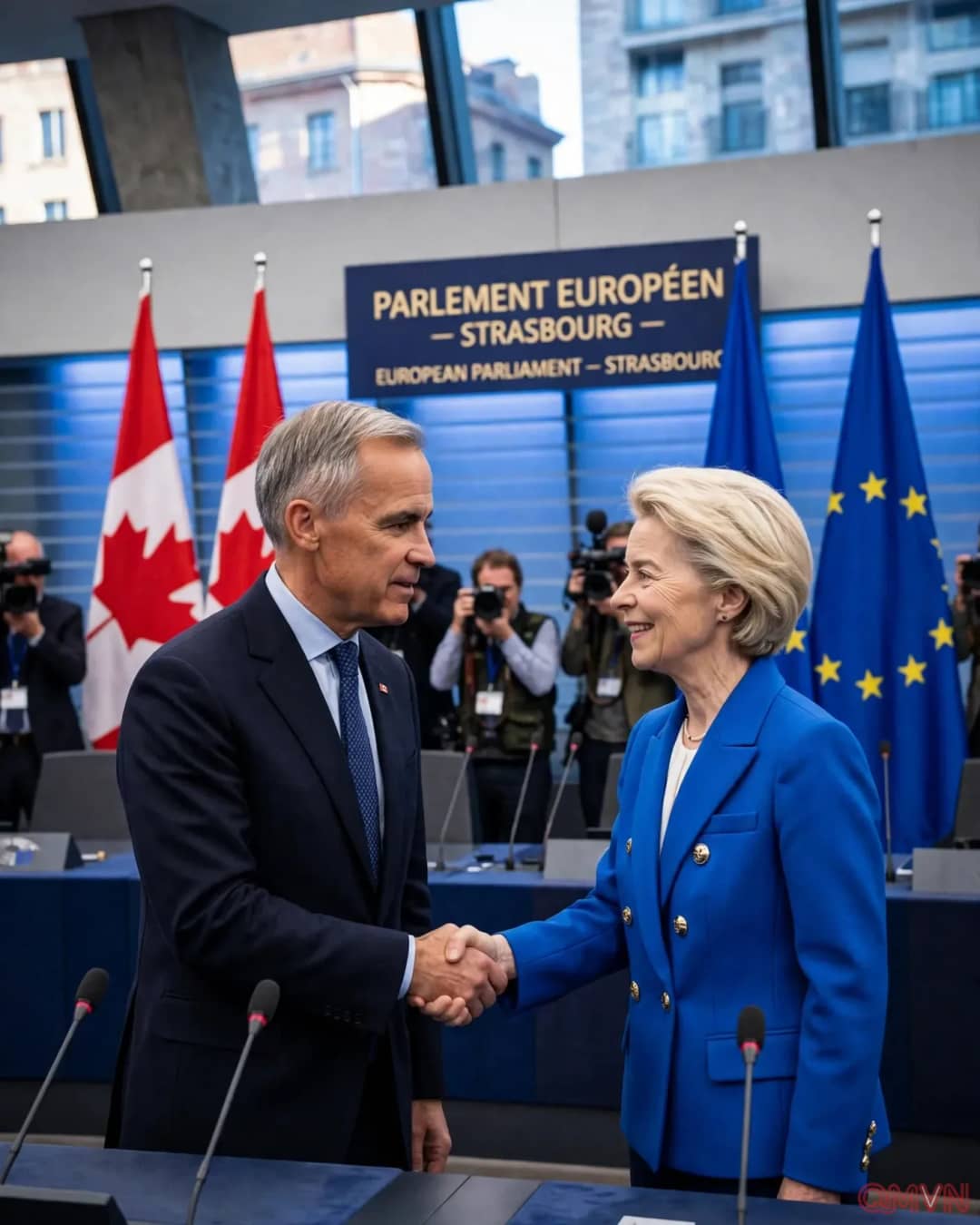
The ambitious proposal originally floated by European Commission President Ursula von der Leyen to integrate Canada as an associate member triggered sharp debate across European capitals. Led by Germany, a significant bloc of member states insisted that Brussels could not endorse an ambiguous, undefined political designation lacking statutory codification in European treaties, cautioning against blurring the legal boundaries of European citizenship and single market access.
“The good news is it doesn't matter about specific names or nomenclature; what matters is the difference it will make to the lives of Canadians.” — Mark Carney
To circumvent legal gridlock, negotiators restructured the summit document into a pledge toward an 'ever closer association.' Both parties acknowledged that establishing a comprehensive framework will require an additional twelve months of technical engagement, deferring institutional determinations until a follow-up summit next year while safeguarding operational unity.
Strategic Infrastructure Priorities Versus Economic Realities
Beyond diplomatic semantics, the joint declaration outlines substantive bilateral initiatives spanning energy and telecommunications infrastructure. The two partners announced a joint project to construct transcontinental subsea communications cables linking Europe, Canada, and Asia, alongside a formal feasibility study exploring Canadian liquefied natural gas exports to bolster European energy resilience and expanding youth transatlantic labor mobility.