CONTENT
A direct challenge to constitutional sovereignty and the political uproar in Seoul
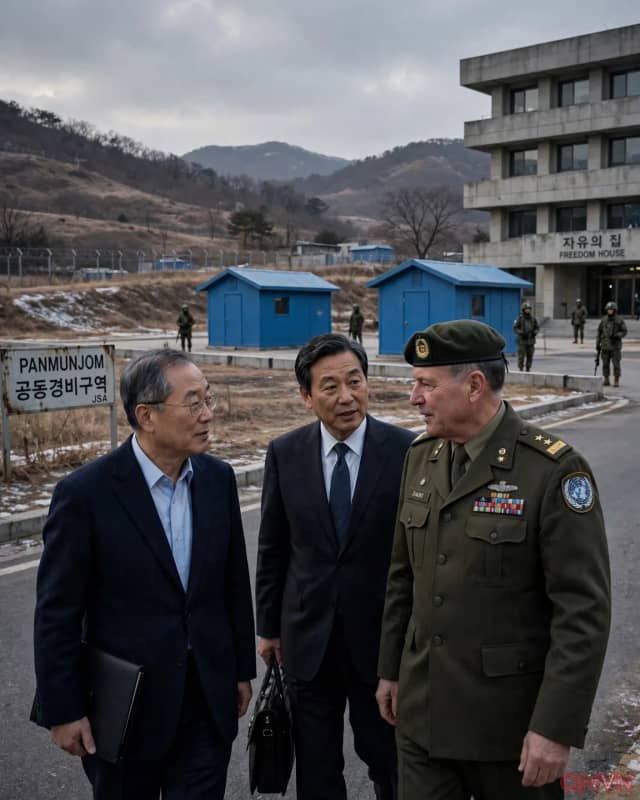
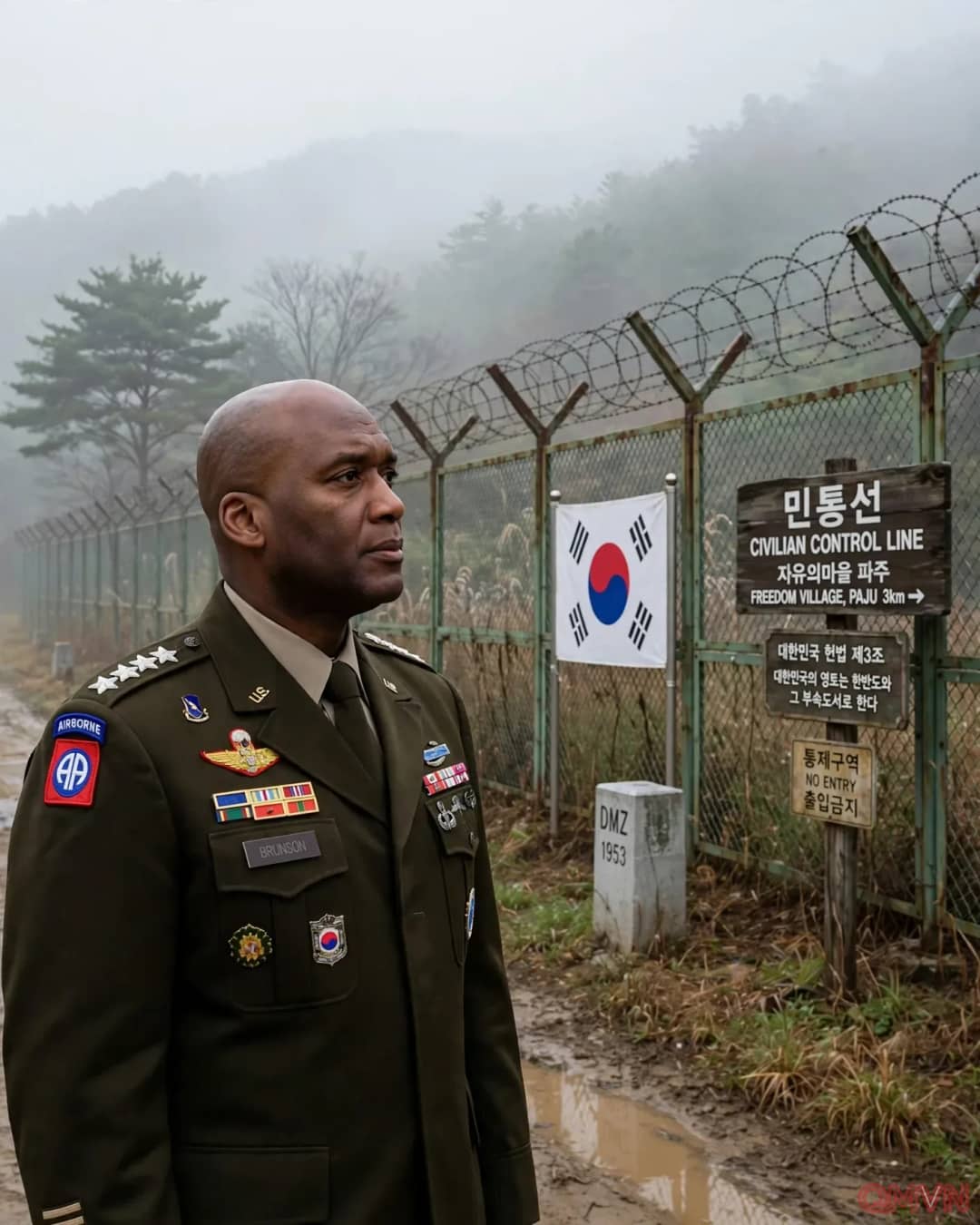
The controversial assertion by General Xavier Brunson that South Korea's sovereign perimeter begins at the southern perimeter fence of the Demilitarized Zone (DMZ) has unleashed severe diplomatic and domestic political reverberations across Seoul. While the United Nations Command (UNC) swiftly issued a clarifying statement maintaining that the general’s comments reflected a narrow tactical operational baseline rather than an evaluation of political sovereignty, political leaders and legal scholars across the nation widely rejected the explanation as dismissive of foundational constitutional law.
For the people and legal institutions of South Korea, the definition of the republic's sovereign domain is non-negotiable. Under Article 3 of the Constitution of the Republic of Korea, national territory is explicitly codified as consisting of 'the Korean Peninsula and its adjacent islands.' This constitutional cornerstone establishes the legal doctrine that North Korea is not an independent foreign state, but an unlawful occupying entity controlling northern territory that remains an integral, indivisible component of the homeland awaiting peaceful reunification.
"It is wrong for military commanders to assert control over the DMZ as if it were an exclusive entitlement that South Korea cannot lawfully challenge." - Cho Yong-kun