US warns allies to prepare for possible strikes on Iran and retaliation after the midterm elections, AP sources say
According to two diplomats briefed on the matter, US officials have told several Middle East countries and regional allies to prepare for possible renewed military action against Iran after the November 3 midterm elections, as well as the possibility that Tehran will try to retaliate. The diplomats stressed that President Donald Trump has not made a final decision, but he has repeatedly said he is weighing new strikes after the elections. According to the warnings conveyed, a new round of action could last several days, and allies were urged to prepare for Iranian attacks on energy facilities and critical infrastructure. Meanwhile, Iranian Foreign Minister Abbas Araghchi said Tehran is still giving diplomacy a chance, and the United Arab Emirates urged restraint. The White House declined to comment. The developments have put the region on high alert, as the war that began in late February risks flaring up again.
Edite QUANG MINH·2 min read · 3 min listen·29 October 2026, 00:02 EDT·
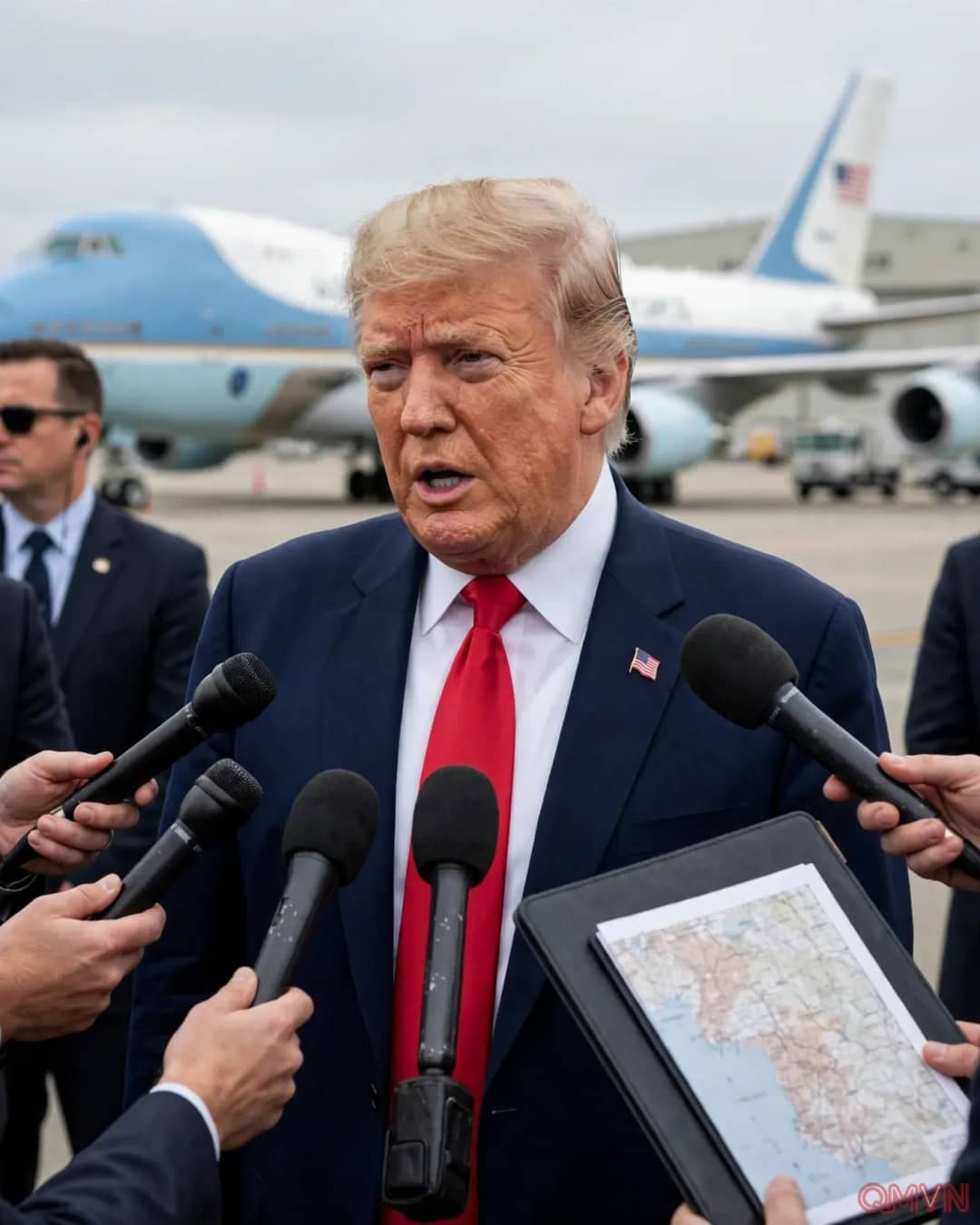
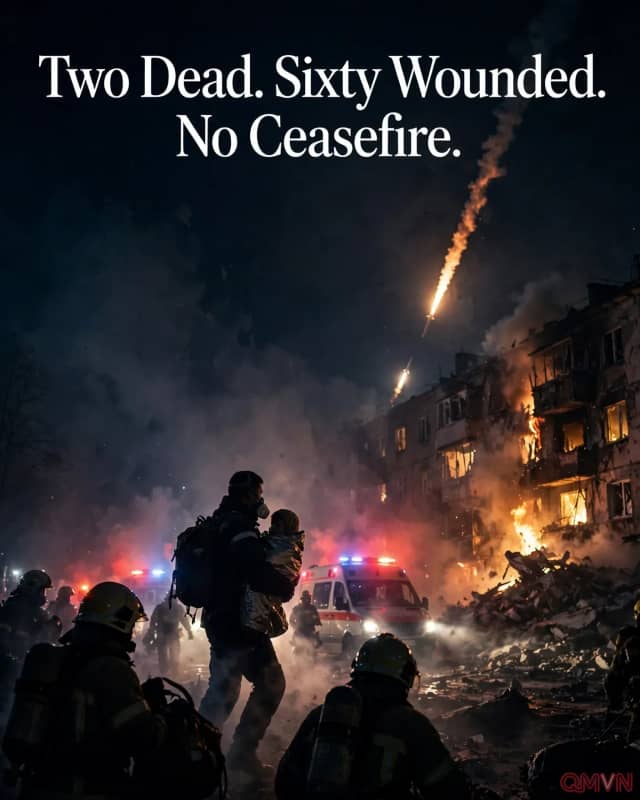
AI-generated illustration
A warning to allies
According to the diplomats, the warnings conveyed by US diplomatic and defence officials contained several notable points:
A new round of military action could last several days.
Iran and its allied armed groups could retaliate, prolonging the fighting.
Allies were urged to take precautions against possible attacks on energy facilities and critical infrastructure.
The Wall Street Journal earlier reported that Gulf nations had been briefed to prepare for potential escalation.
Advertisement300 × 250
It is unclear how soon after Election Day the US military would be ready to resume strikes.
Tehran keeps the diplomatic door open
Iranian Foreign Minister Abbas Araghchi said Tehran is working with mediators to review ideas from a proposal Iran floated last month, which Trump rejected, and wants it used as the basis for a return to a ceasefire.
Tehran continues to give diplomacy a chance to succeed.
The United Arab Emirates foreign ministry urged the sides to exercise wisdom and pursue political solutions to contain tensions and prevent a return to full-scale fighting.
US forces build up
Late last month, the Pentagon sent the aircraft carrier USS Theodore Roosevelt and several amphibious ships carrying Marines, about 9,000 troops in all, from San Diego to the Gulf. One official said this could bring US naval presence in the region to more than 20,000 sailors and Marines and hundreds of aircraft, a level seen only a handful of times in two decades.
At the same time, Defense Secretary Pete Hegseth reportedly removed Lt. Gen. Brett Sylvia as head of strategy, plans and policy on the Joint Chiefs of Staff, without giving a reason. The conflict has also spread, with the Houthis attacking Saudi oil infrastructure and airports.
War and the ballot box
The war has weighed on Republican candidates as voters tire of rising gasoline prices. According to the Pentagon’s latest estimate to Congress, the war has cost $47.1 billion. On the campaign trail, Trump has both assured voters that the end is near and warned that new bombing could follow the election.
Whenever I want it to end.
Trump said the war must end “properly”, with Iran never having a nuclear weapon. Jonathan Schanzer of the Foundation for Defense of Democracies warned that Tehran could act provocatively before the election if it felt US action was imminent.
BACKGROUND
The story begins with years of tension over Iran’s nuclear programme. In 2018, during his first term, Trump withdrew the United States from the 2015 nuclear deal and reimposed sanctions. In June 2025, the United States joined strikes on Iranian nuclear facilities during a short war between Israel and Iran. In late February 2026, the United States and Israel launched a major military campaign against Iran; Tehran retaliated by attacking shipping, effectively closing the Strait of Hormuz and targeting US bases. In April, Trump announced a ceasefire, but talks mediated by Qatar and Oman have yet to produce a lasting deal, and the last US strike came in early September. The conflict spread to Yemen and the Red Sea, sending global energy prices soaring. Supporters argue military pressure is needed to stop Iran from obtaining nuclear weapons; opponents worry about a prolonged war and economic damage. The core knot is deep disagreement over the nuclear programme and regional security.
Key takeaways
Diplomacy has a chance only while the parties keep the door to dialogue open.
A long war is measured not only in battlefield losses, but in the burden on ordinary people.
In tense moments, restraint on all sides is the best shield against unintended escalation.
Subscribe to the QMVN newsletter
A daily morning digest - only stories worth reading, no spam.