MAIN ARTICLE
Investigations and indictments move apart
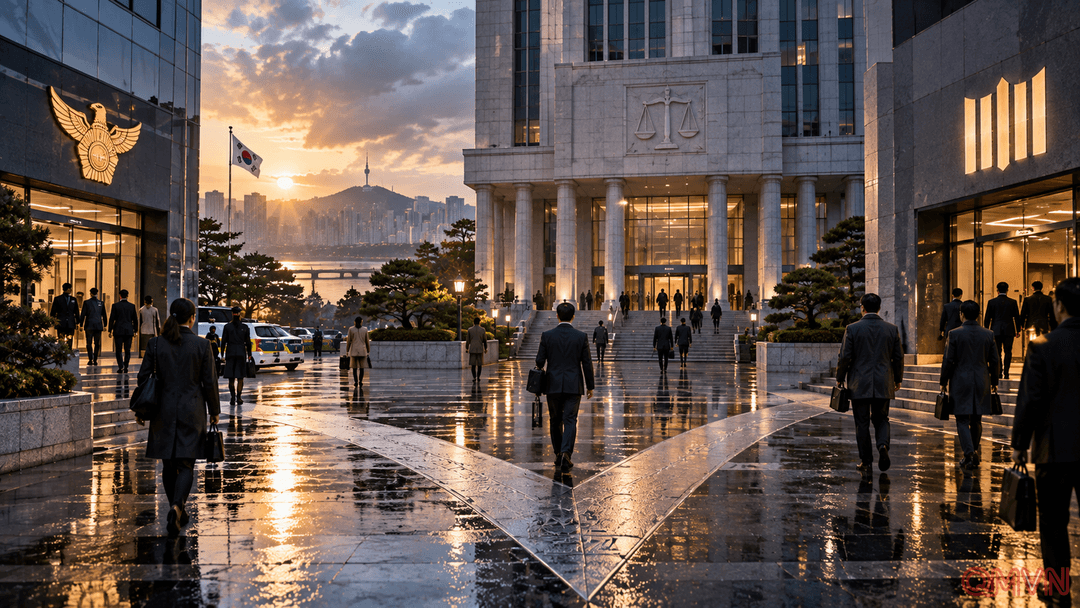
South Korea formally launched the Public Prosecution Service and the Serious Crimes Investigation Agency (SCIA) on Friday, October 2. As Yonhap and KBS reported, the change ended the former prosecution organization’s 78-year role combining direct investigative powers with authority to prosecute. The replacement prosecution body is largely tasked with indicting suspects and maintaining cases in court, while police conduct routine criminal investigations.
SCIA handles designated serious offenses, including corruption, economic and cybercrime, drug offenses, defense procurement and national-security cases. In principle, separating the institution gathering evidence from the institution deciding whether to prosecute adds checks and balances. In practice, however, independence also depends on how agencies share material, resolve disputes and review the reliability of evidence.
Yonhap reported that 42 investigative departments previously operating within prosecutors’ offices were abolished and their functions transferred. Personnel, technical systems, investigative experience and case records cannot be reorganized as easily as institutional names. Continuity during the transition will matter for lengthy financial and corruption cases.