MAIN CONTENT
A warning from Washington
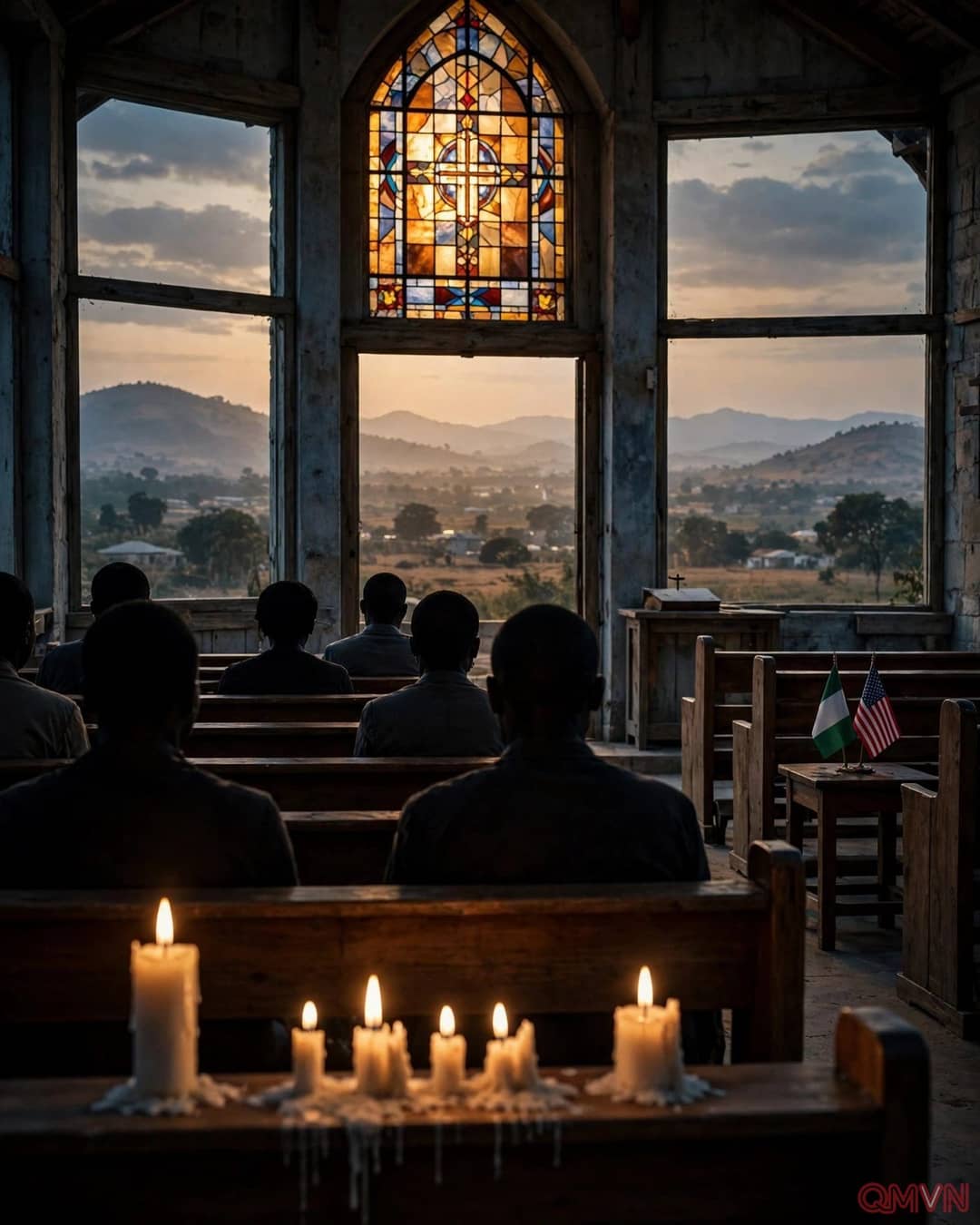
At a hearing before U.S. lawmakers, Frank Garcia said the State Department was working with Nigerian authorities to protect Christian communities and seek accountability for violent attacks. His message was direct: despite reported initiatives, violence had continued. The hearing underscored Washington’s concern that official commitments should be judged by the security people experience in villages, markets and places of worship.
Representative Riley Moore, a Republican from West Virginia, highlighted reported increases in violence in central Plateau State and argued that Nigeria should remain on the U.S. list of countries of particular concern. The designation is a foreign-policy instrument expressing concern over serious religious-freedom violations; it does not, by itself, establish the cause or perpetrator of every attack. Congressional pressure could affect the tenor of future bilateral discussions.
Nigeria disputes a single explanation
Nigeria has rejected the U.S. designation, describing it as based on flawed information. Its leaders contend that militants, criminal gangs, cattle-herder and farming-community disputes, and kidnapping networks threaten citizens across religious identities.