MAIN ARTICLE
A draft agreement and incompatible starting points
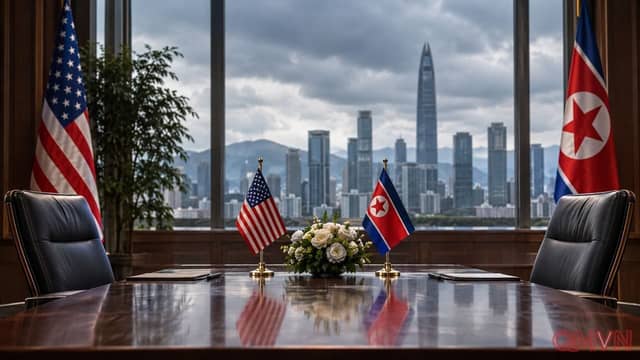
A senior Iranian official told Reuters on November 3 that mediators were working to narrow differences with Washington but an end-of-war settlement remained distant. Qatari representatives traveled to Tehran late on November 2 to discuss a revised draft that had been under consideration for more than a week. The complete text, implementation timetable and verification arrangements have not been released publicly. Continued discussion therefore should not be mistaken for agreement on the most difficult political and security provisions.
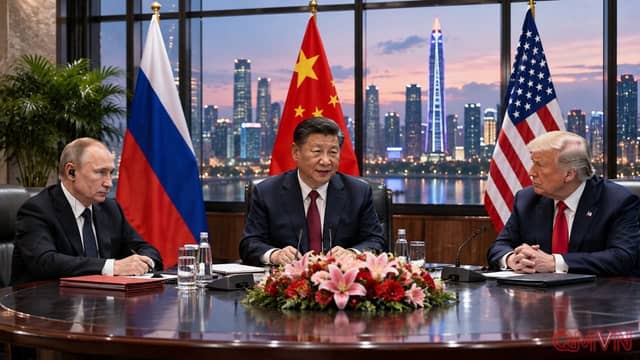
Foreign Minister Abbas Araqchi described intensive consultations through intermediaries, while parliament speaker Mohammad Baqer Qalibaf argued that Washington should make the next move. President Donald Trump said he believed Tehran wanted an agreement, and Vice President JD Vance referred to diplomatic progress. Those positions demonstrate interest in negotiation, not a common understanding of what must happen first. A peace proposal only gains practical force when its obligations are precise, reciprocal and verifiable.
The Strait of Hormuz at the center of negotiations
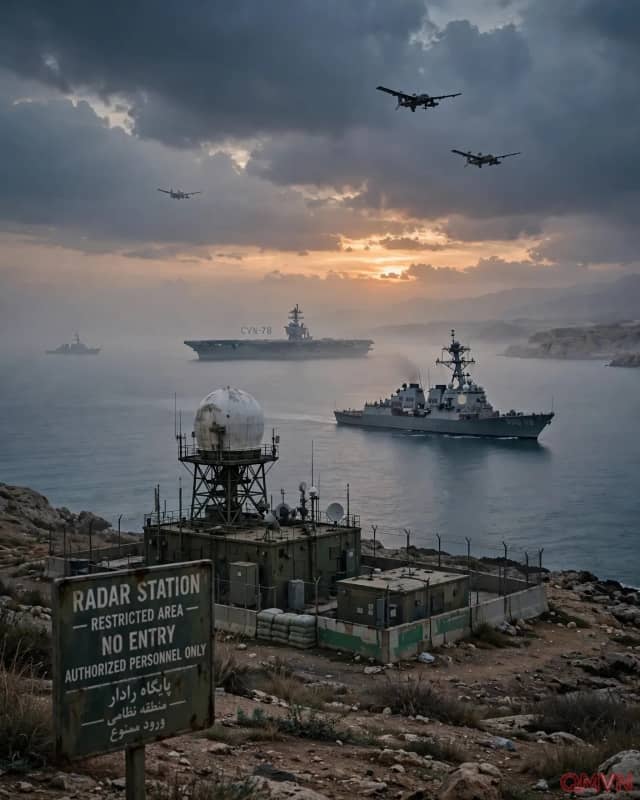
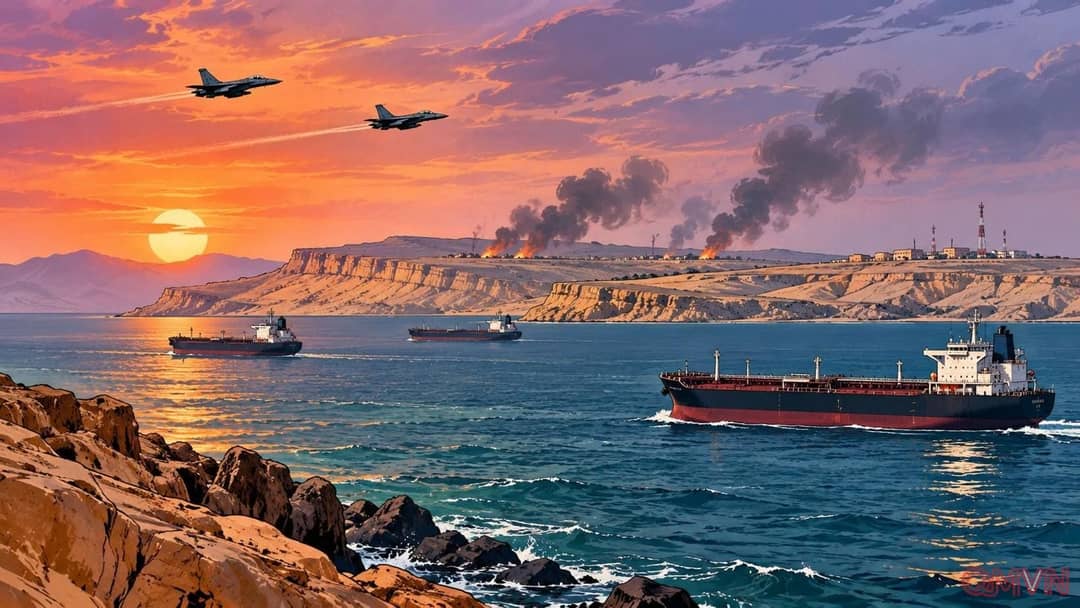
The Strait of Hormuz remains the central bargaining point. Tehran wants the American maritime blockade lifted and its stated requirements respected before the waterway is reopened. Reuters reported on November 2 that Iran’s seven-step proposal from September had been modified to allow a faster timetable.