A week of testing
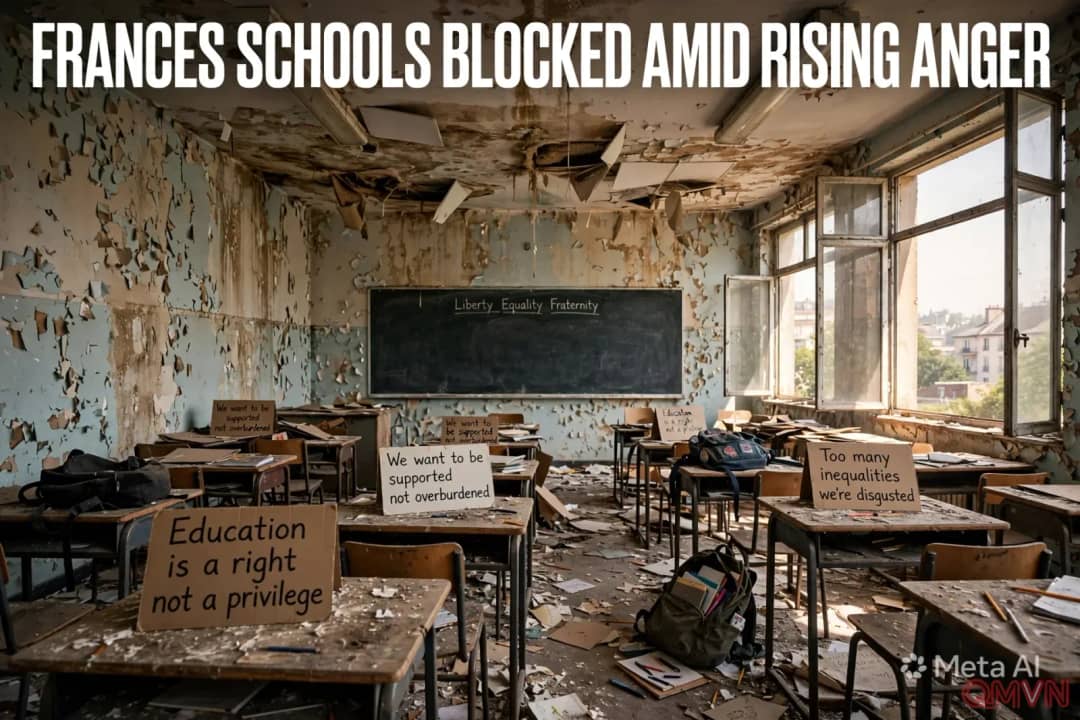
After two relatively calm weekend days, high schoolers across France are expected to return to the barricades. What worries observers is that violence on the edges of the marches could grow, blurring the line between protest and rioting, and that the government could respond even more forcefully. According to the interior minister, police made more than 5,000 arrests last week, 85% of them minors; hundreds have been injured.
Tuesday will test the movement’s endurance and reach, as the General Confederation of Labour (CGT), one of France’s most influential unions, urges workers to demonstrate too. If students and workers march side by side, the pressure on the government will rise considerably.
It began at a high school in Créteil
The protests first erupted in the Paris region in mid-September, when teachers and pupils at a lycée in Créteil, on the south-eastern outskirts of the capital, mobilised against a lack of staff. From there, class strikes, school blockades and marches spread to other suburbs and then nationwide, reaching even high schools in small towns.