MAIN ARTICLE
From military choices to sustained pressure
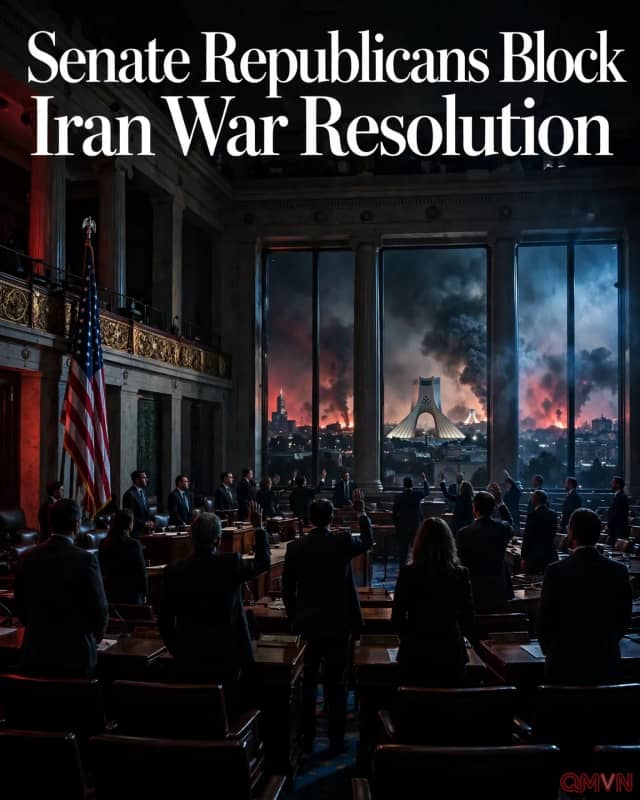
After the midterm elections, the White House appeared reluctant to embark immediately on another large assault on Iran. Speaking after talks with G7 foreign ministers in Paris, Marco Rubio said Washington believed sanctions and a naval blockade were inflicting increasing economic damage. Reuters reported his argument that this pressure made major combat operations unnecessary for now. That is the administration’s assessment, however, rather than independent evidence that Tehran has accepted the United States’ principal demands.
Trump also said publicly that Washington did not need a new agreement with Iran, while diverting Vice President JD Vance from prospective contacts with senior Iranian security officials. Instead of exchanging concessions that currently appear difficult to reconcile, the administration seems prepared to preserve sanctions and military deterrence. Such a course might prevent an immediate escalation, but it leaves an important measure of success undefined: what precisely must Iran change, by what deadline, and who will be able to verify compliance?
The nuclear question remains unresolved
At the heart of the disagreement lies nuclear material. Before the strikes of June 2025, the IAEA estimated that Iran possessed 440.9 kilograms of uranium enriched to as much as 60 percent.