A 25% threat, a 17% promise
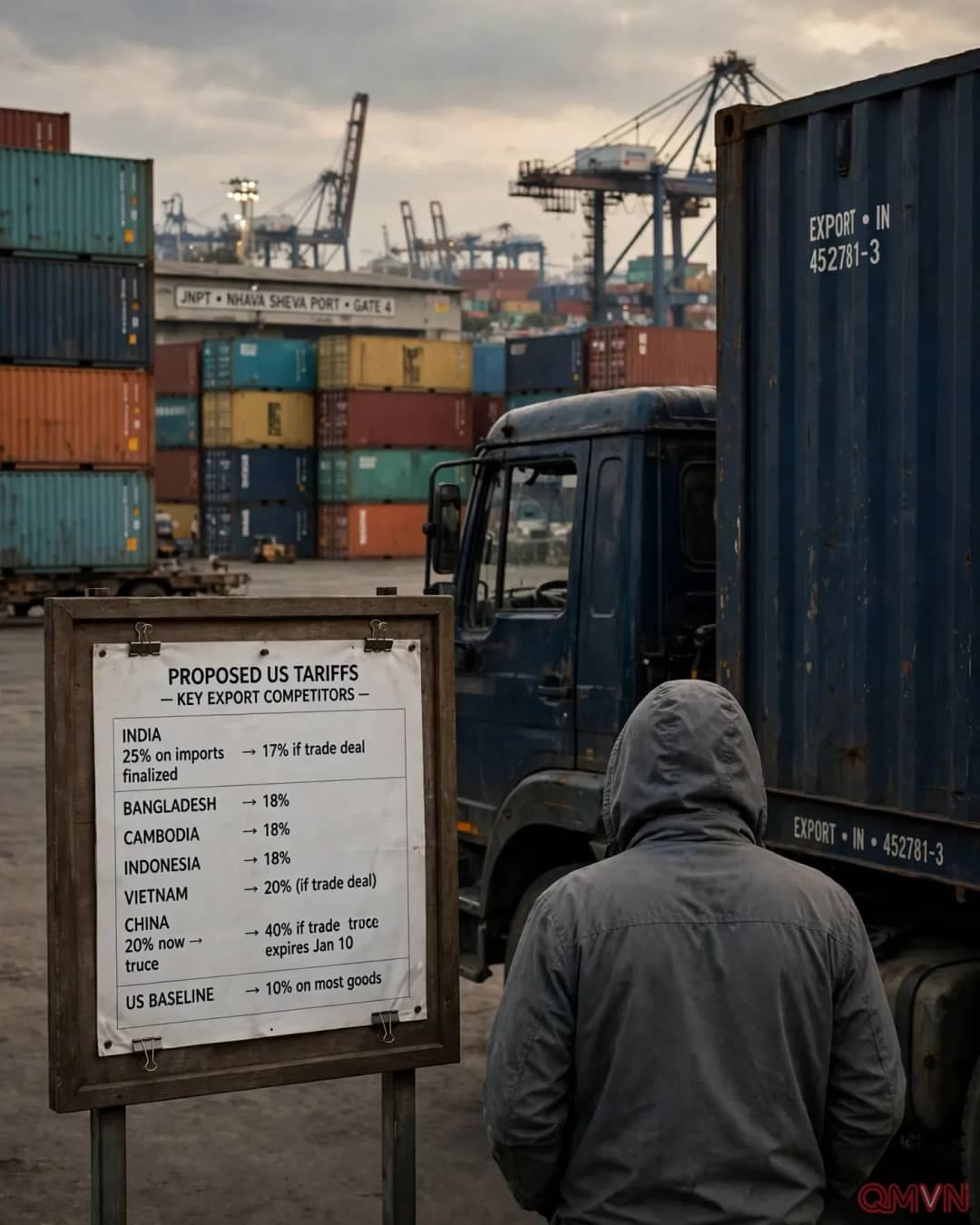
The proposal, published by the Office of the US Trade Representative, sets out a stick and a carrot. Without a deal, Indian goods would face a 25% duty justified on the grounds of structural excess capacity; with a deal, the rate would be capped at 17%.
For New Delhi, the structure appears designed to force a decision on negotiations that have dragged on since February 2025. Earlier in November, Indian officials said the US had assured them of a comparative tariff advantage once its investigations concluded, and Trade Minister Piyush Goyal said Washington had agreed to grant Indian goods lower duties than those of competing countries.
The 17% figure appears to honour that promise. Whether it is enough to persuade India to sign, given the sensitive issues still on the table, is another question.
How India stacks up against its rivals
In the race for American buyers, small differences in duty can shift orders. The proposed rates of 18% for Bangladesh, Cambodia and Indonesia and 20% for Vietnam, conditional on a deal, would leave India a narrow edge in labour-intensive sectors such as textiles and garments.
China faces a steeper climb. Its proposed 20% rate reflects a trade truce with Washington that expires on January 10; if the truce unravels, the rate would rise to 40%. In addition, Chinese goods still carry duties of roughly 25% imposed during Trump's first term, widening the gap with India.