MAIN CONTENT
Overloaded Legacy Switches Trigger a Four-Hour Nationwide Ground Stop
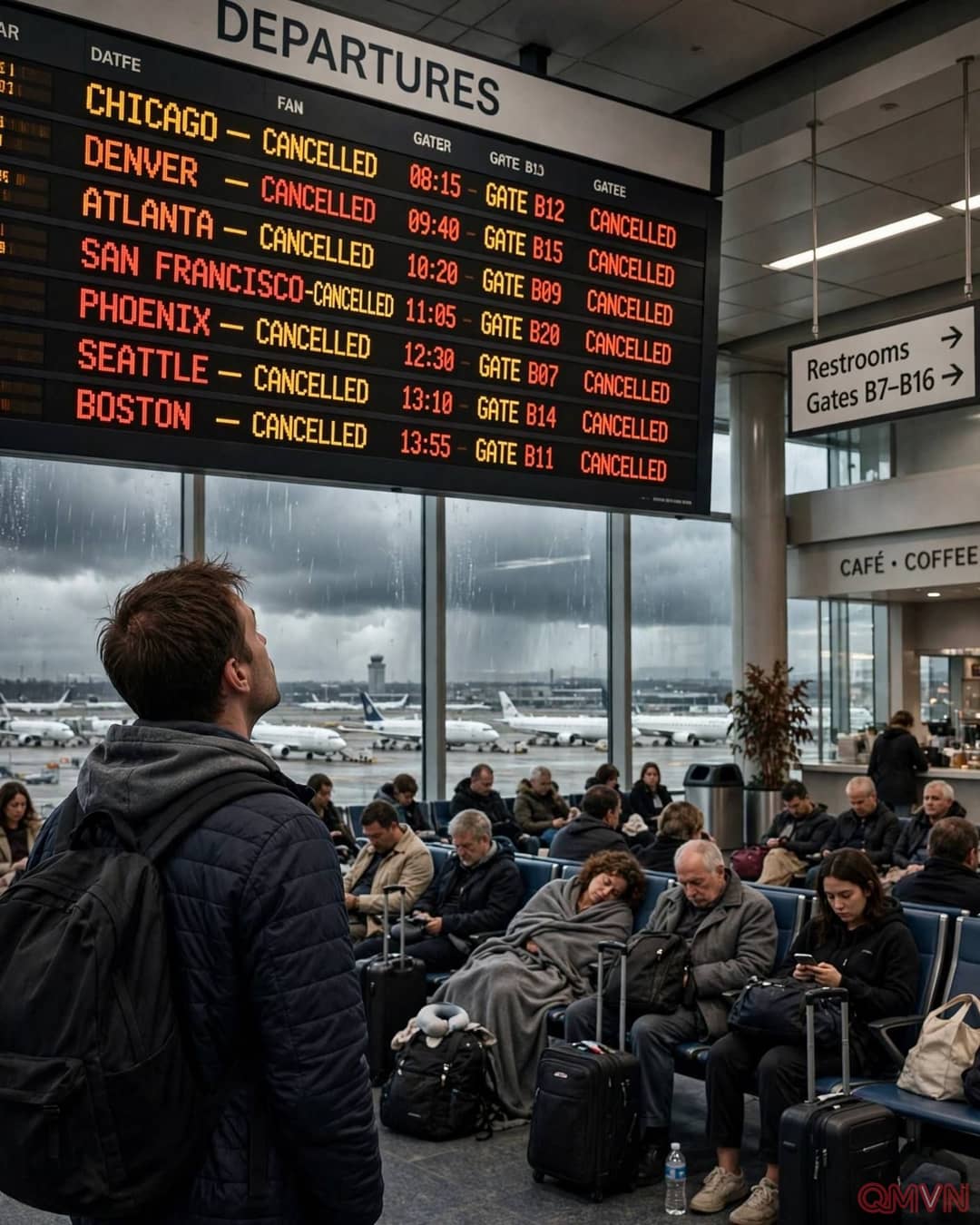
On Friday, November 13, 2026, the Federal Aviation Administration imposed a nationwide ground stop halting aircraft departures across US airports following a communications breakdown impacting all Air Route Traffic Control Centers. Transportation Secretary Sean Duffy later attributed the paralysis to a failure within the FAA’s legacy network, explaining that switches and routers became overwhelmed with data and went offline.
Although the FAA lifted the departure freeze after more than four hours, Duffy cautioned that restoring full operational capacity across the national airspace would take time. Aviation analytics firm Cirium estimated that over 1.5 million passengers booked on roughly 11,000 flights scheduled to depart after 4 p.m. ET were caught in the disruption, which unfolded on the same day officials sought $30.1 billion in fresh aviation funding, including $10.1 billion for air traffic control upgrades.
Technological Silos and Three-Quarters of Systems Flagged as Vulnerable
The systemic fragility exposed on Friday has been documented by federal auditors for years. A 2024 Government Accountability Office (GAO) report revealed that the FAA had classified 51 of its 138 air traffic control systems as unsustainable and another 54 as potentially unsustainable—meaning more than three-quarters of reviewed systems faced serious long-term reliability risks.