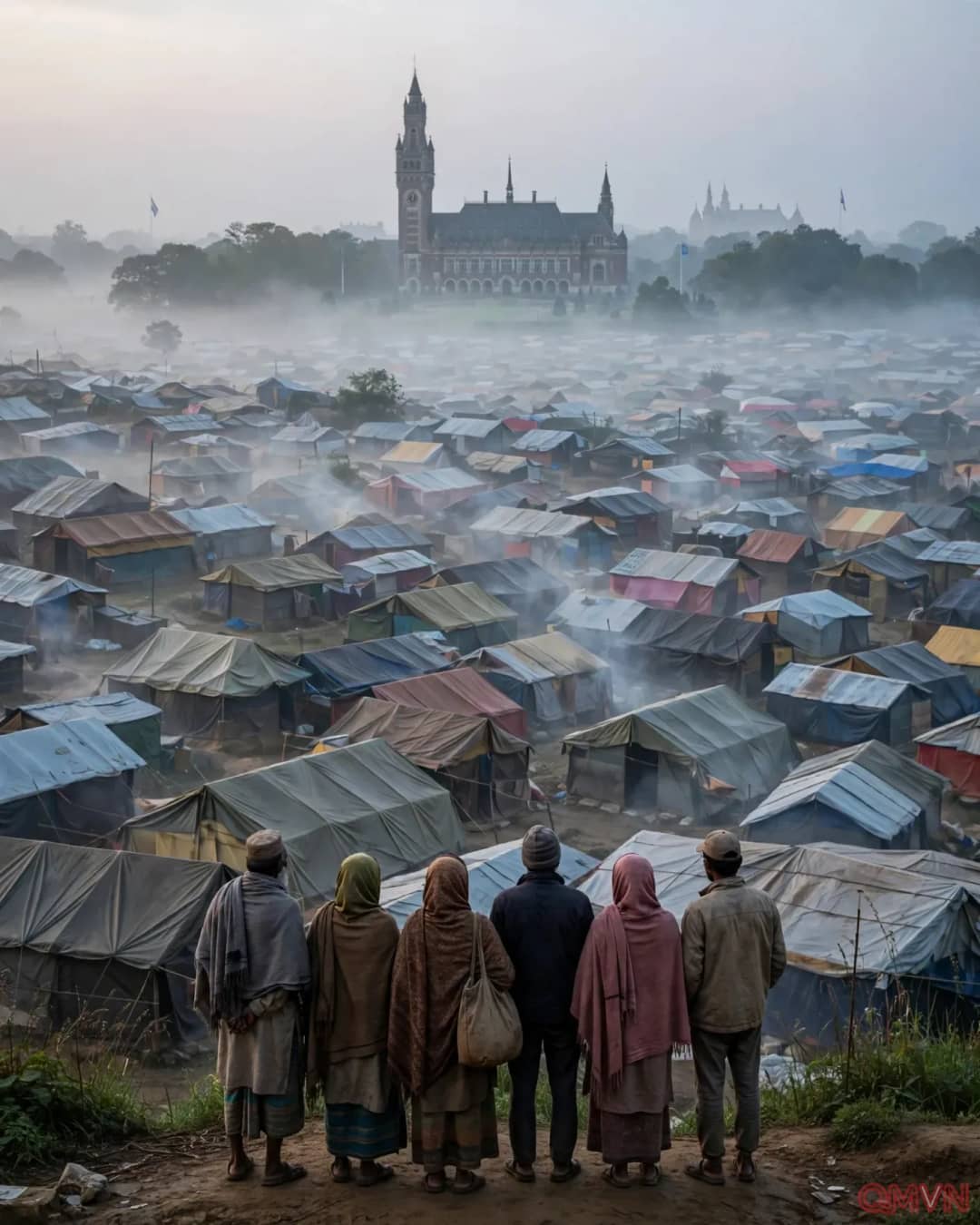
A ruling without precedent
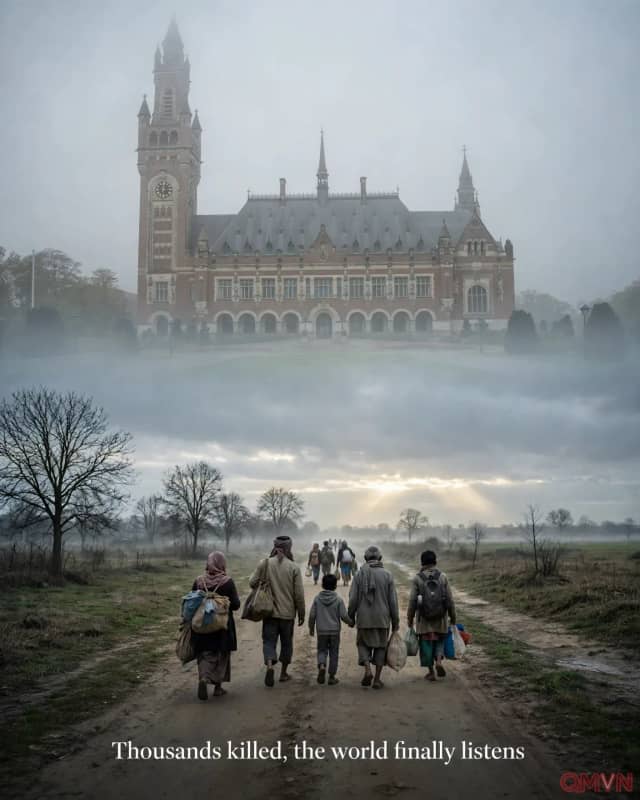
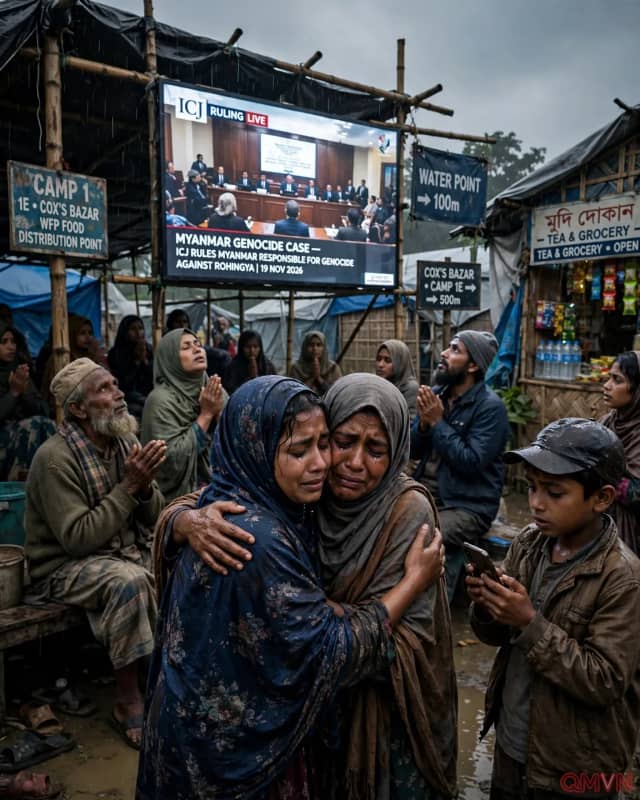
According to The Guardian, the closely watched judgment will set a critical 21st-century benchmark for the gravest crime in international law – a crime defined after the Nazi-led Holocaust.
In two earlier cases dealing with atrocities in the Balkans, the ICJ stopped short of finding any state directly responsible for genocide, although Serbia was found legally responsible for failing to prevent the massacre at Srebrenica.
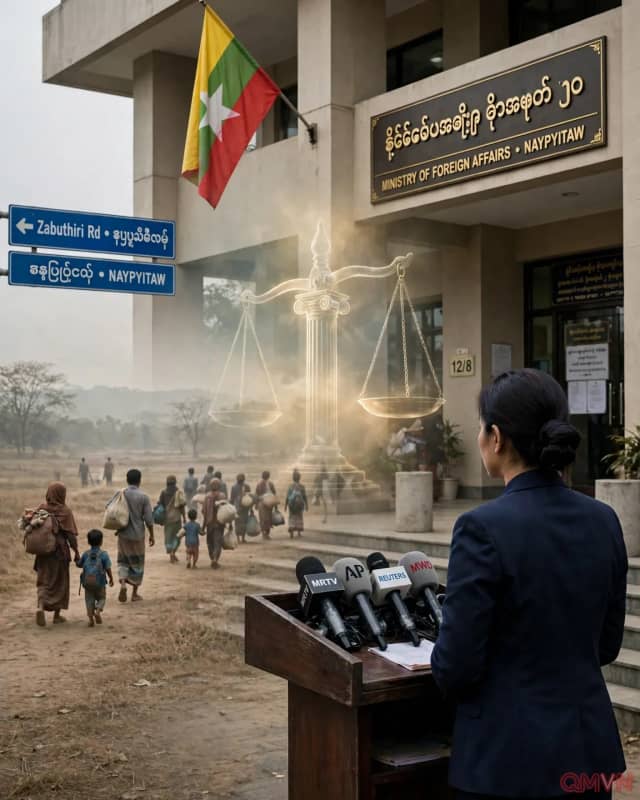
The international community failed to prevent Myanmar military atrocities against the Rohingya nine years ago.
The challenge of proving “intent”
A key issue in previous cases has been how to prove “intent” – since genocide is defined as acts committed with the intent to destroy, in whole or in part, a national, ethnic, racial or religious group.
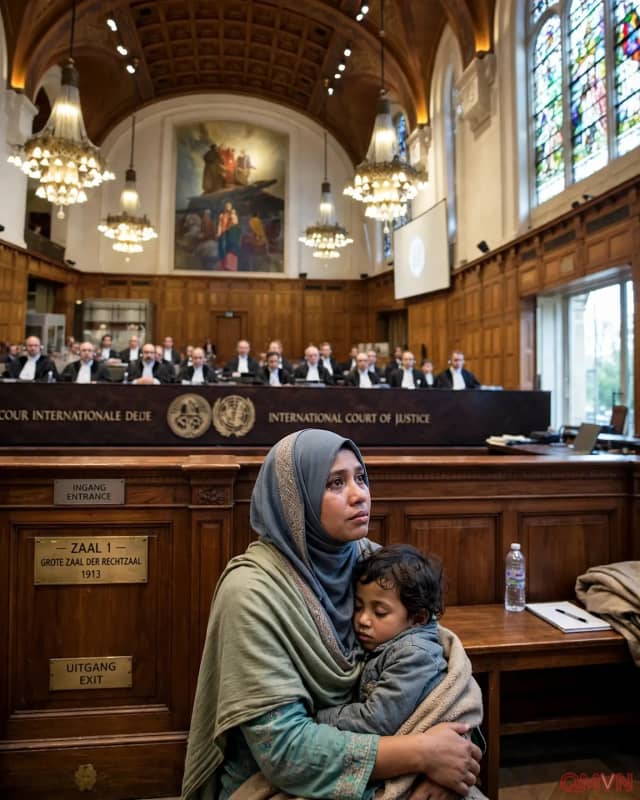
During the hearings, Gambian Justice Minister Dawda Jallow stressed that the case was not about abstract issues of international law, but about real people and real stories.