MAIN STORY
Signals fuel expectations, not a confirmed schedule
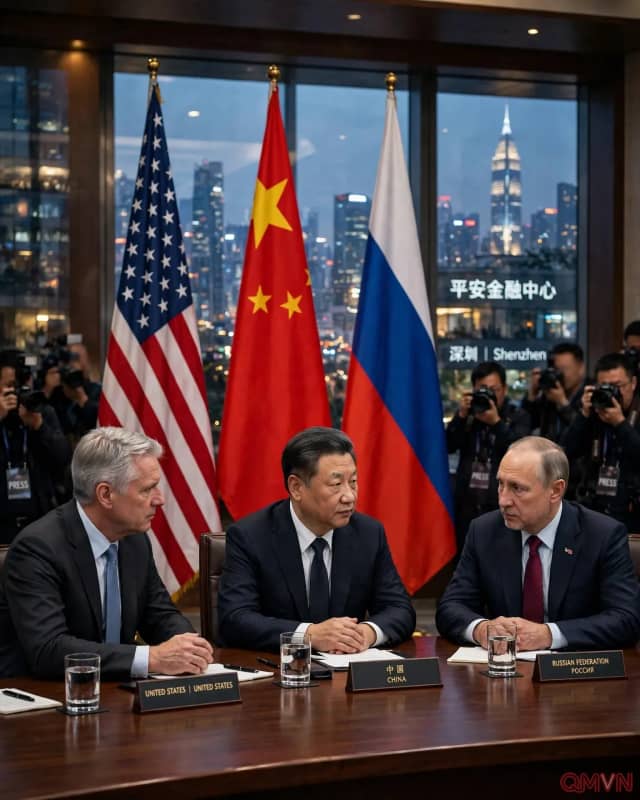
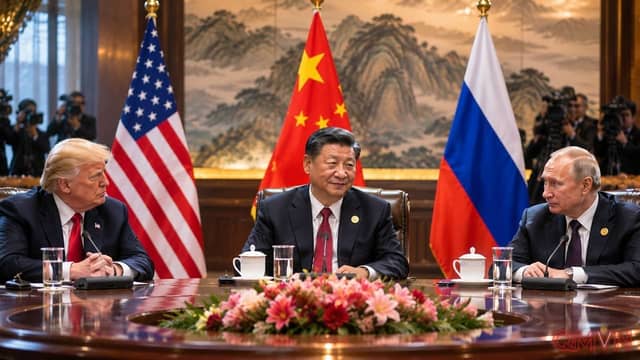
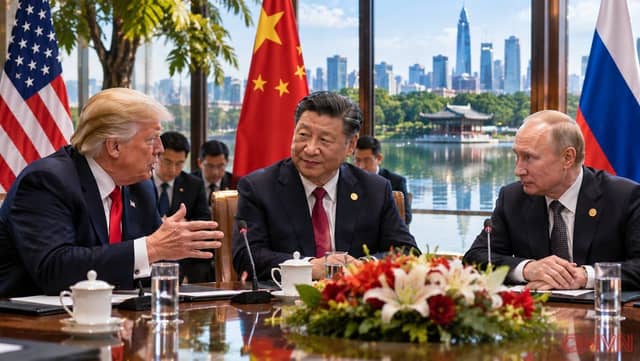
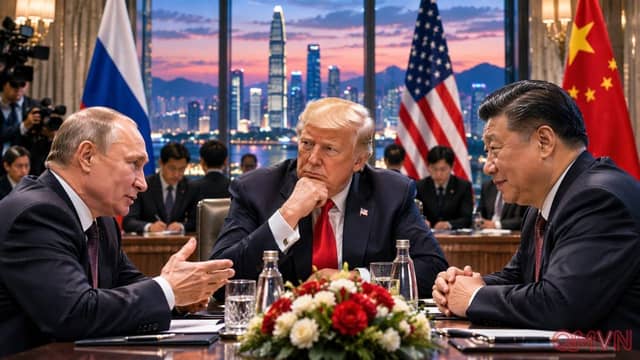
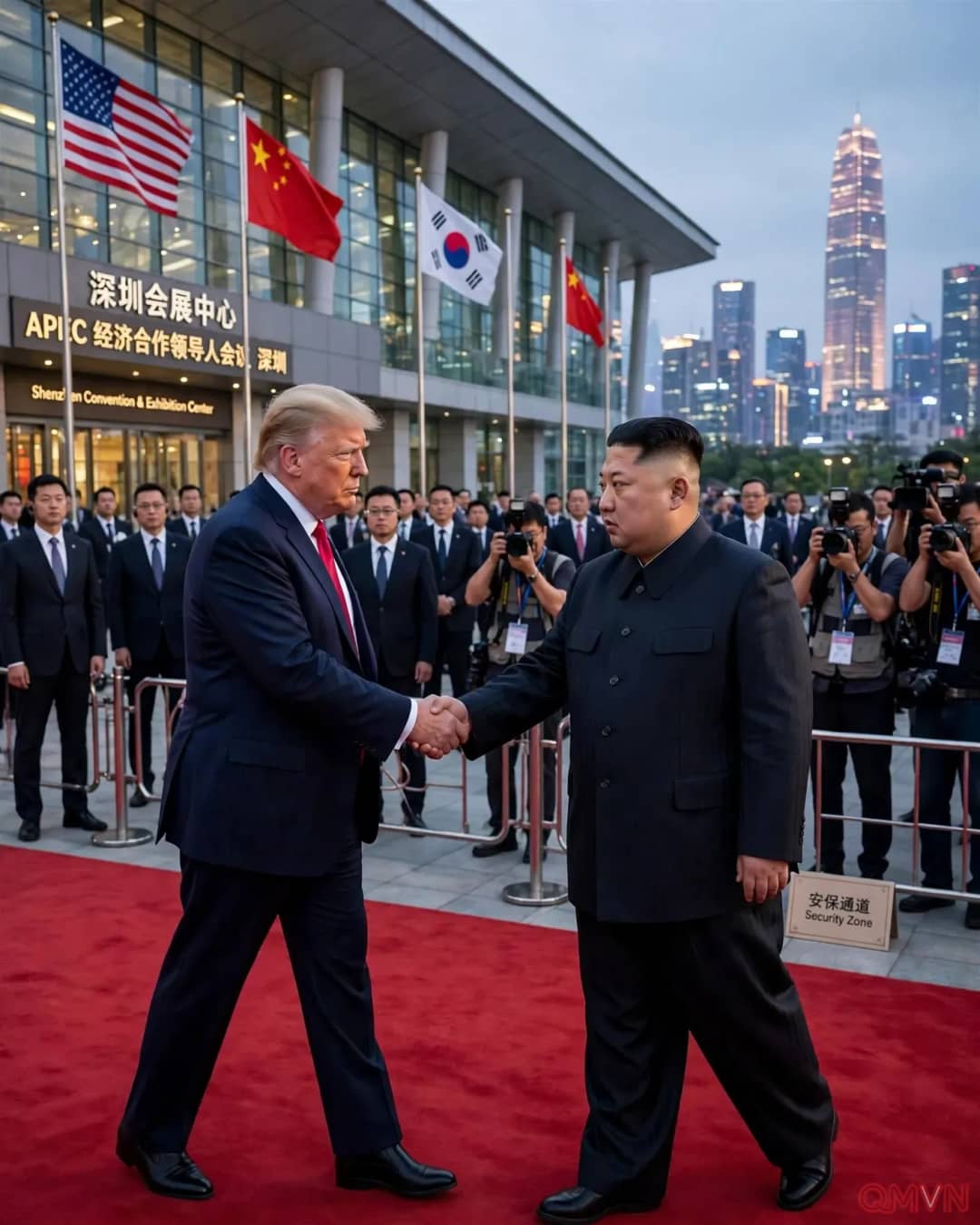
Speaking before his departure from Washington on November 16, Trump said he might meet Kim during his China visit, adding that the North Korean leader’s possible attendance depended on Chinese President Xi Jinping. His comments were an expression of openness rather than an announcement of a scheduled meeting. A White House official had previously said no Trump–Kim encounter was on the itinerary, though the president did not rule one out.
The Kremlin subsequently said Putin could meet Kim if he attended the APEC events. Sydney Seiler, a former US intelligence official now at the Center for Strategic and International Studies, interpreted the Russian statement as a possible sign of behind-the-scenes coordination. John Delury of the Hopkins–Nanjing Center also pointed to recent diplomatic visits involving North Korea, Russia and China as reasons to watch developments closely.
The public record remains less decisive. On November 17, China’s foreign ministry said it had no information to provide about a possible invitation. The APEC secretariat did not confirm Kim’s attendance, and North Korea had made no corresponding public announcement in the reports available. An improved probability assessment by some specialists is not equivalent to a verified guest list or a bilateral summit schedule.