The fraud allegation
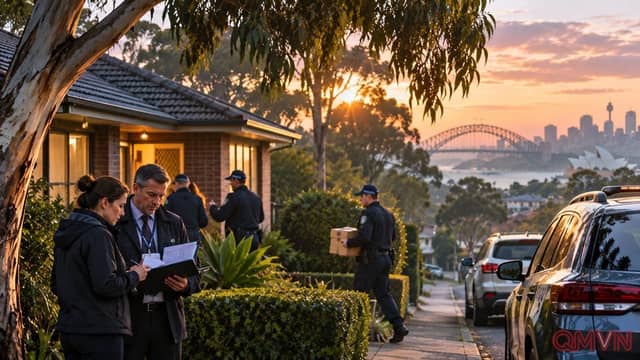
According to a police statement, the 46-year-old man, whose name has not been released, was charged on Tuesday with publishing misleading material to obtain financial advantage and with false representation resulting in a police investigation. He claimed to have been wounded at Bondi Beach on December 14, 2025, when two gunmen opened fire on a crowd, killing 15 people aged 10 to 87 and wounding about 40. He was released on bail to appear in a Sydney court on November 18.
Police have not said which compensation scheme the suspect tried to exploit. The state government offered up to 5,000 Australian dollars, about $3,500, to those injured and triple that sum to relatives of those killed, along with up to A$30,000 for economic loss and additional help for urgent health expenses.
The Jewish community’s reaction
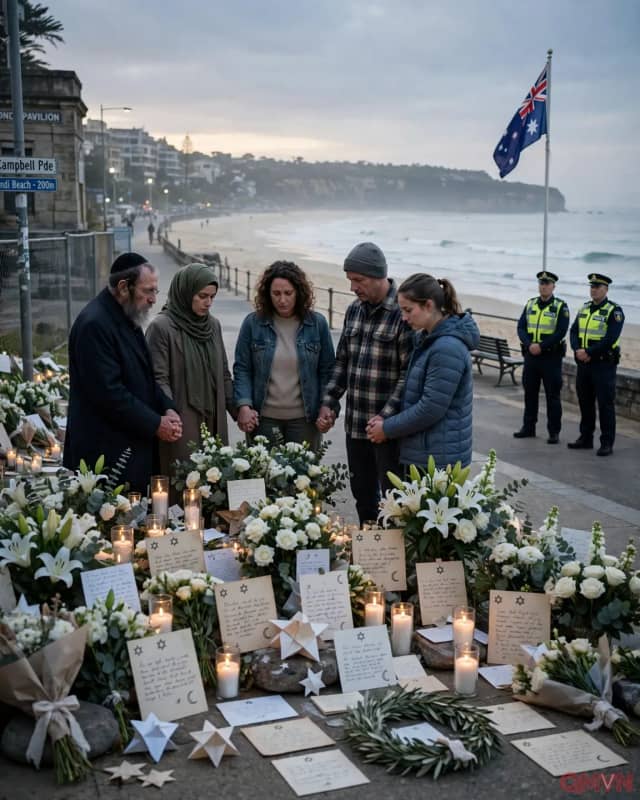
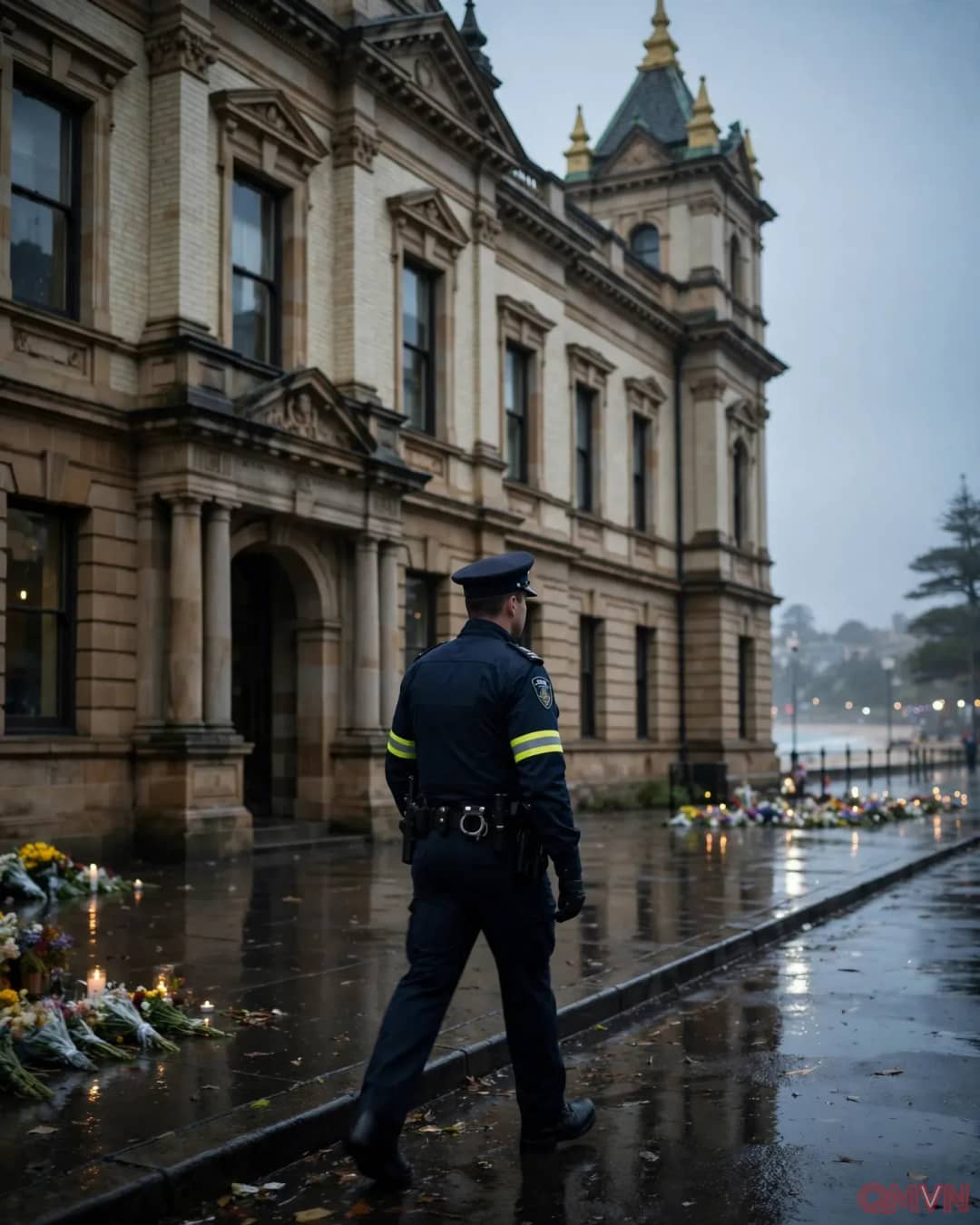
Members of Sydney’s Jewish community were appalled by the allegation that someone had tried to profit from the Bondi tragedy. Alex Ryvchin, co-chief executive of the Executive Council of Australian Jewry, said wasting police resources at a time when the community still faces security challenges, nearly a year after the attack, was unacceptable.
“Something despicable and we all have to condemn it.” — Alex Ryvchin
Police stressed that the alleged fraud would have no impact on the cases currently before the court. The case also raises questions about how to protect humanitarian support schemes from abuse without making things harder for genuine victims.
The alleged perpetrator’s case delayed
During the attack, police shot dead one gunman, Sajid Akram, and wounded his son, Naveed Akram. Police allege the pair were inspired by the Islamic State group. Key facts about the case:
- Naveed Akram, 25, appeared in a Sydney court on Wednesday on 78 charges, including 15 counts of murder, 43 of attempted murder and one of committing a terrorist act; he has yet to enter a plea.
- Judge Karen Stafford granted prosecutor Danielle New’s application to adjourn the case until February 24, and defense lawyers did not object.
- Prosecutors said they needed more time to consult victims and relatives before certifying the charges, the process that sets out which charges proceed to trial in the New South Wales Supreme Court.
The delay shows the justice system giving weight to victims’ voices in a case of a scale and gravity rarely seen in Australia’s history.