From new law to first loans
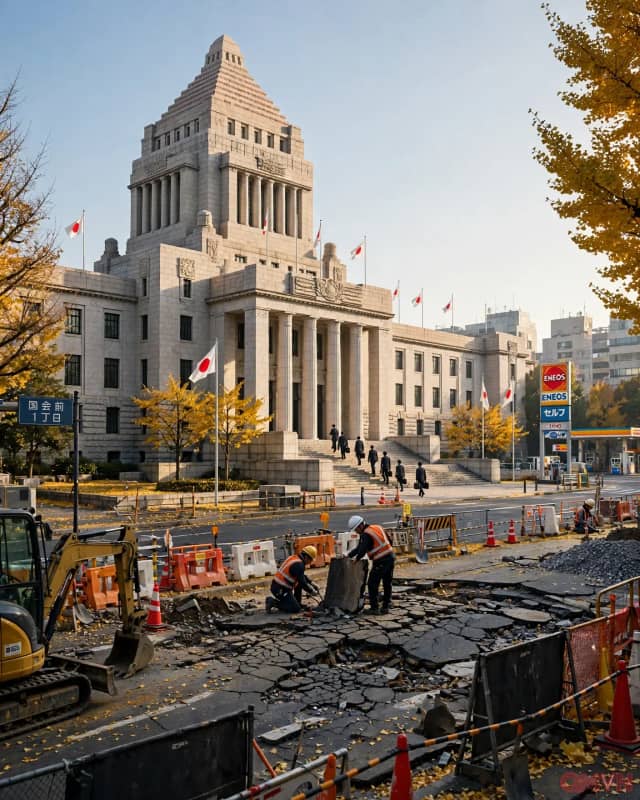
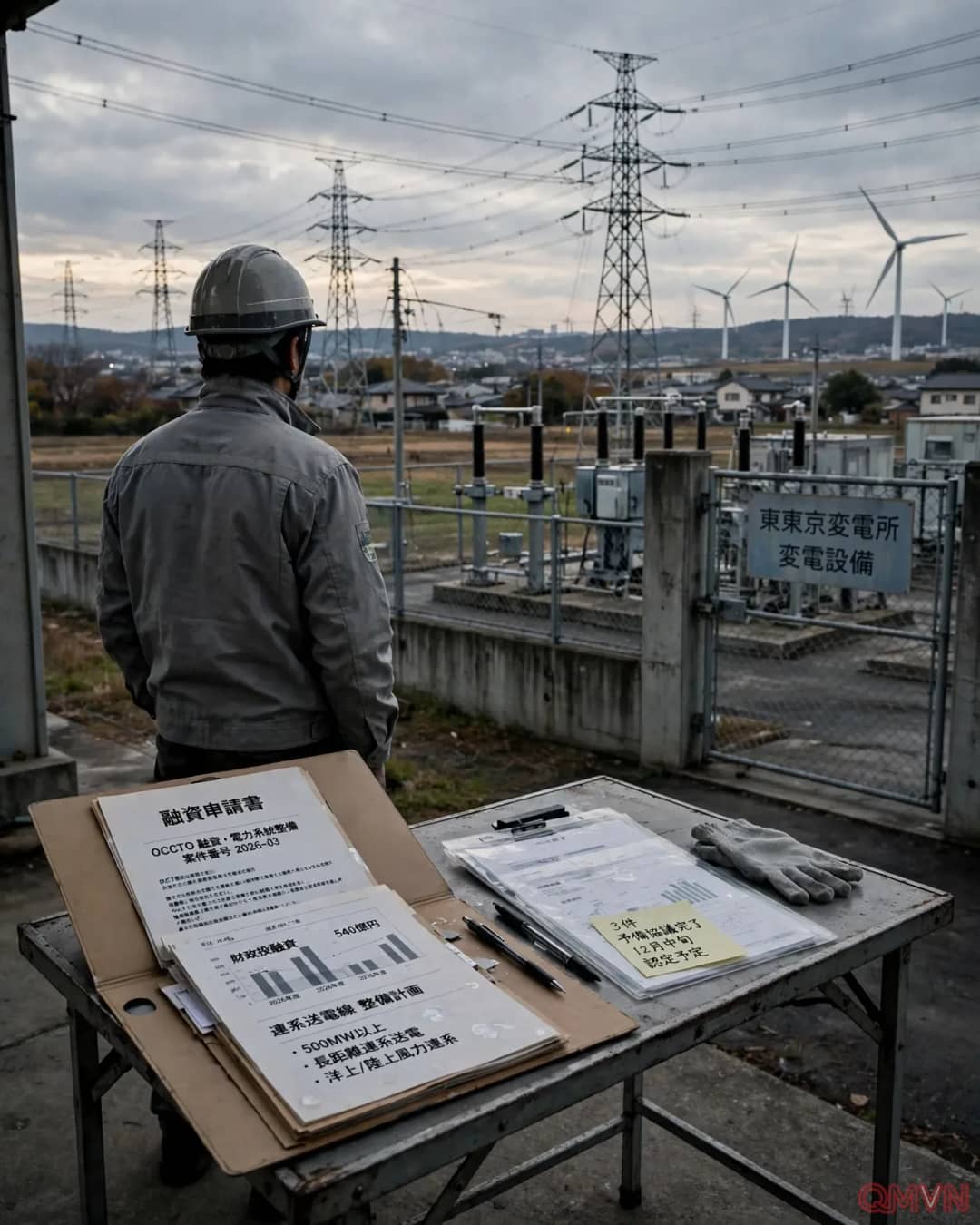
The scheme moves from paper to practice within months. Parliament approved the amendment to the Electricity Business Act in July, and the financing framework is scheduled to begin in December, with OCCTO expecting to release its first funds in late March.
Akira Takahashi, general manager of OCCTO's financing management preparation office, told reporters that the organisation was aware of three projects that had undergone preliminary consultations with METI. The ministry is expected to announce certified projects around mid-December.
The sequence is strict. Project operators must first secure METI certification before OCCTO assesses their applications, approves financing and disburses the money, a two-step process designed to combine policy priorities with lending discipline.
How the financing works
OCCTO will not replace commercial lenders but work alongside them. It will cover up to 30% of a project's total financing needs, offering loans on terms comparable to those of private banks, with the rest expected to come from private financial institutions in co-financing arrangements.
Because OCCTO does not hold large funds of its own, the money will come mainly from the Fiscal Investment and Loan Programme, a government lending pool financed by bonds. The 54 billion yen set aside for fiscal 2026 is a modest start, but METI's request of 166 billion yen for the following year signals that the scheme is expected to grow quickly.
Officials have suggested that the 30% ceiling may be applied flexibly for exceptionally large project-finance deals, reflecting the enormous capital needed for nuclear plants and offshore wind farms.
Which projects qualify
The scheme targets the backbone of Japan's power system. Eligible projects include interregional transmission lines, large grids within regions and generation facilities with a capacity of at least 500 megawatts.
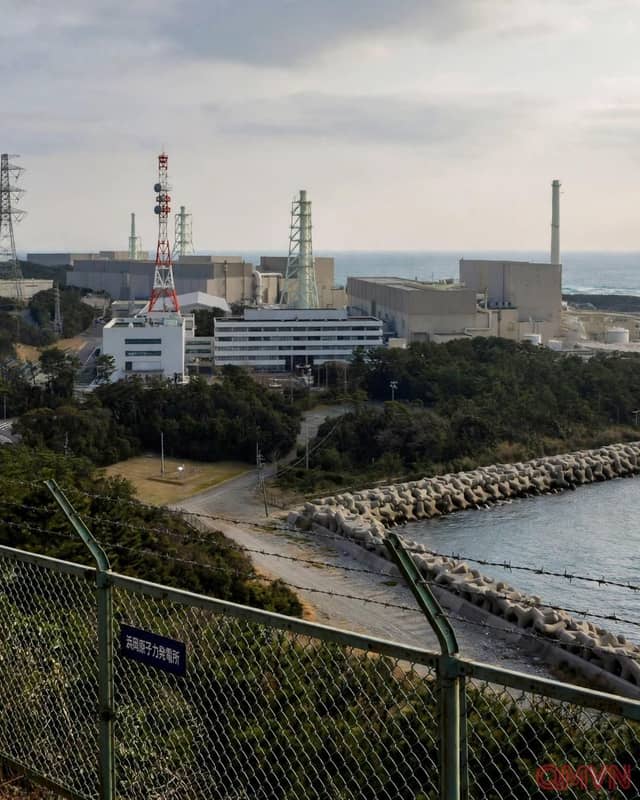
These include projects eligible for the long-term decarbonisation power auction, such as nuclear power plants, wind farms and gas-fired power stations. By linking public loans to the auction, the government aims to support both low-carbon generation and the flexible capacity needed to keep the grid stable.
Why Japan needs new capacity
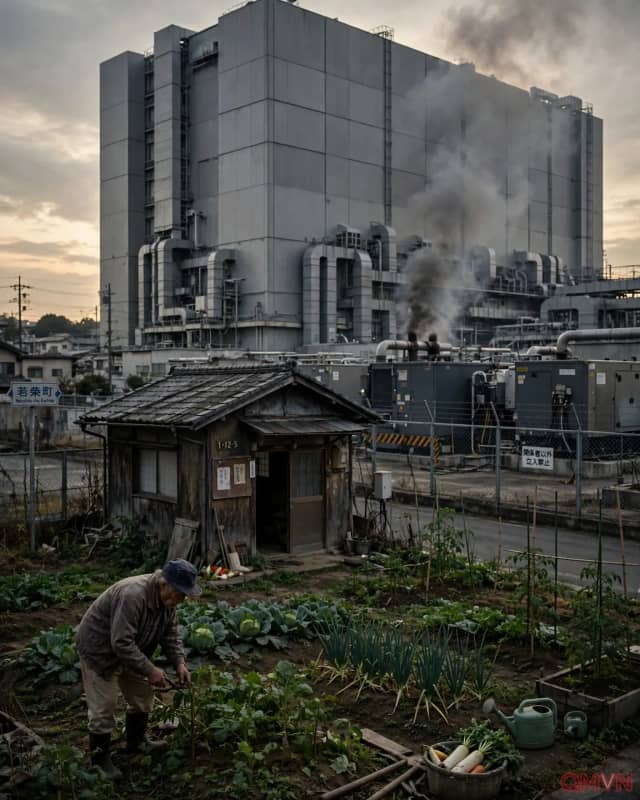
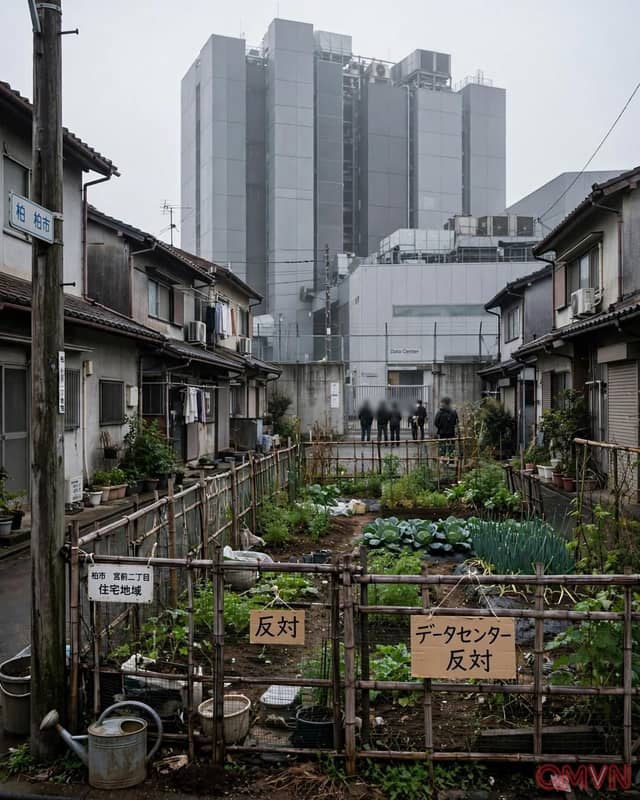
For years, Japan's electricity demand was flat or falling as its population aged and industry became more efficient. That trend is reversing. The rapid expansion of data centres and artificial intelligence, along with efforts to electrify industry and transport as part of decarbonisation, is pushing forecasts higher.
Meeting that demand requires investments that can take a decade or more to pay back, and private lenders have often hesitated to shoulder such long-term risk alone. The government has also designated new strategic zones, including clusters of data centres, that will depend on reliable, low-carbon power, adding urgency to grid and generation projects.
Questions over risk and accountability
Supporters argue that public co-financing lowers borrowing costs, encourages private banks to participate and helps Japan secure stable power supplies while advancing its climate goals. Without such support, they say, crucial transmission links and large plants might never be built.
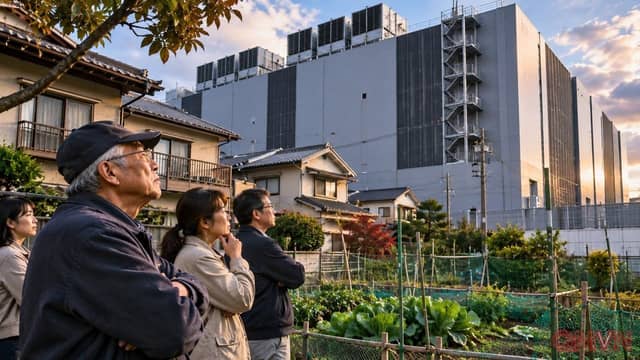
Critics, including the anti-nuclear Citizens' Nuclear Information Center, warn that the structure could ultimately shift the cost of any defaulted loans onto transmission operators and, through grid fees, onto consumers, while blurring the government's direct accountability. How OCCTO manages credit risk will therefore be closely watched as the first loans flow.