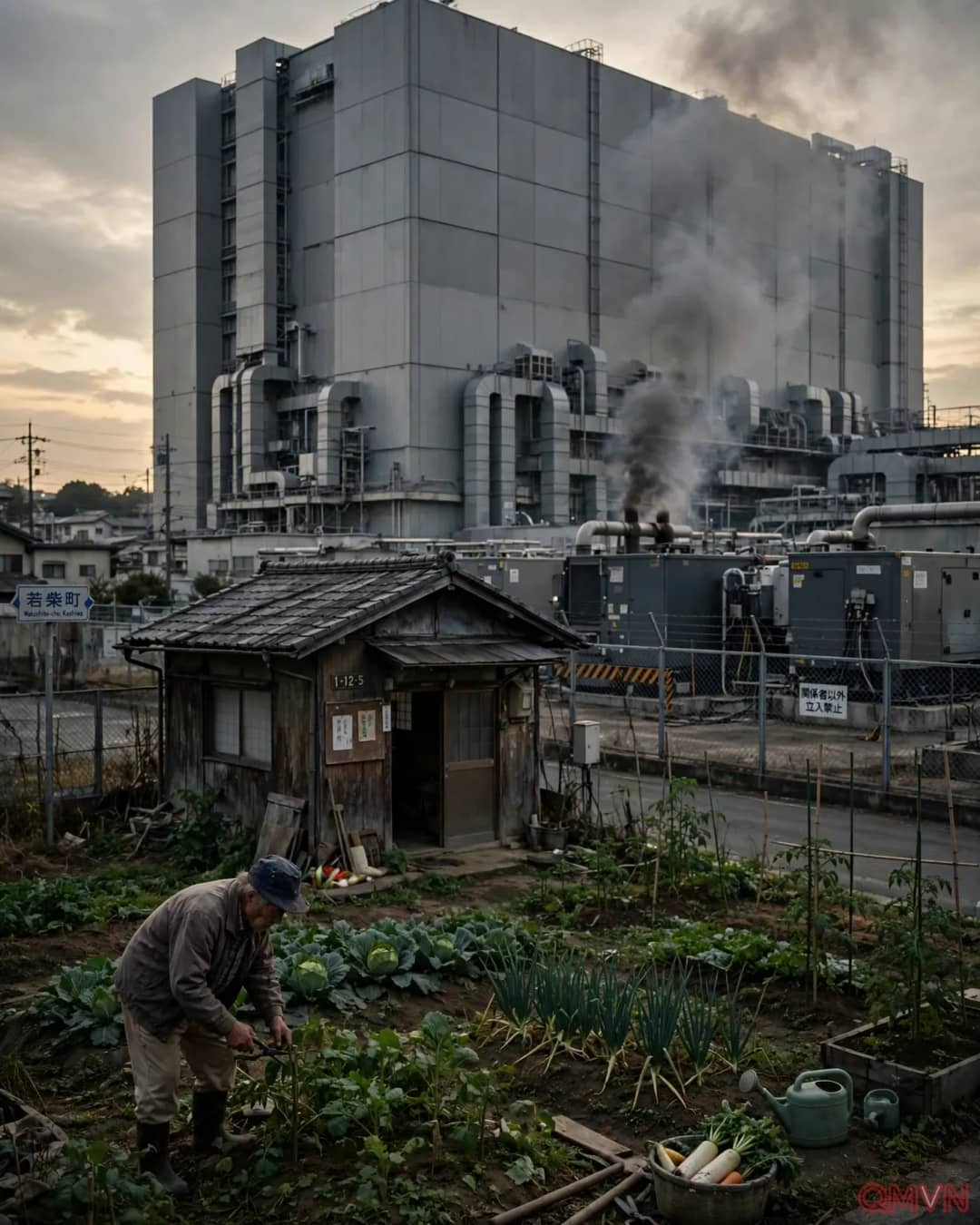
When a Childhood Field Becomes a Concrete Wall
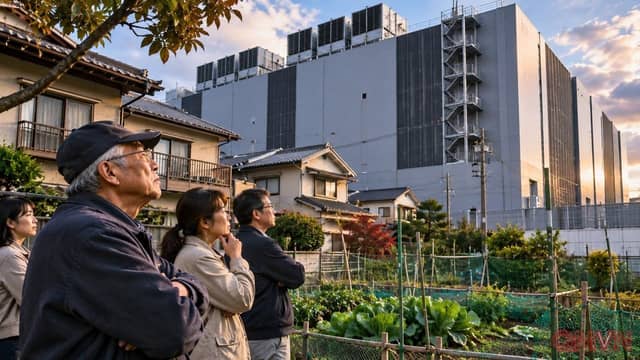
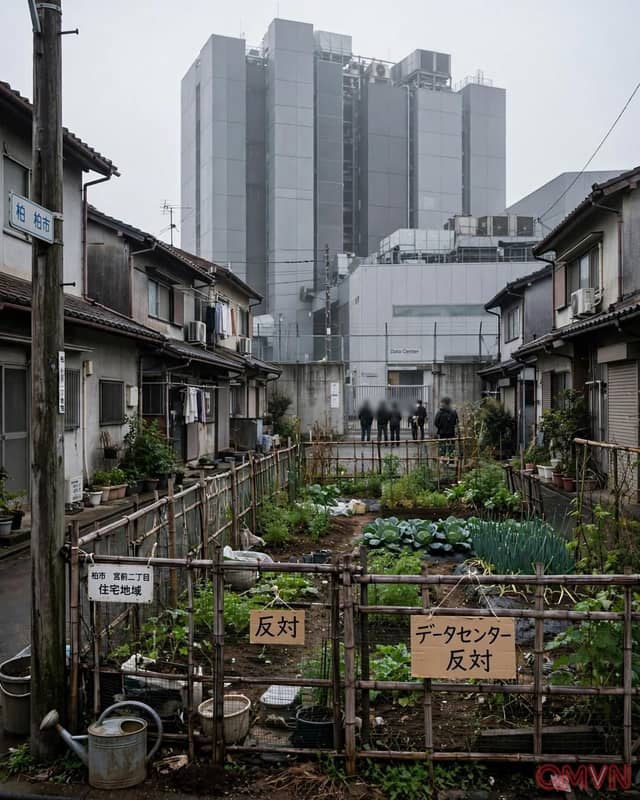
Until a few years ago, Susumu Goto's house in Kashiwa, northeast of Tokyo, looked out on a grassy field where neighbours played baseball and soccer. Today, two 31-metre-tall data centres owned by Hong Kong-based asset manager PAG loom in front of it. Each building is the size of a large warehouse but as tall as a 10-storey apartment block.
At least once a month, backup generator tests send black fumes into the sky and the smell of burning fuel hangs in the air. Goto, a 76-year-old retired auto mechanic, said he closes his windows or leaves the house to escape the jet-engine-like noise, while exhaust settles on his laundry. Over the past two months the generators ran for some 110 hours combined, and with two more data centres planned, the tests will only multiply.
His plea to the city to push the developer to move the underground fuel tanks toward the middle of the roughly 10-hectare site, farther from homes, went nowhere. PAG said it carefully considers environmental and community impact, meets residents monthly, has erected sound barriers and has curtailed generator testing hours.
A Giant Fuel Store in a Disaster Zone
In Tokyo's Koto ward, near Tokyo Bay, Ayano Sasaki, a 37-year-old nurse, worries about the 51-metre data centre that Singapore-based Empyrion Digital plans to complete in 2029. Her apartment building stands just 3.7 metres from the site, where 1.2 million litres of heavy oil – enough to fill three 25-metre pools – will be buried underground.