MAIN CONTENT
A digital industry with a physical footprint
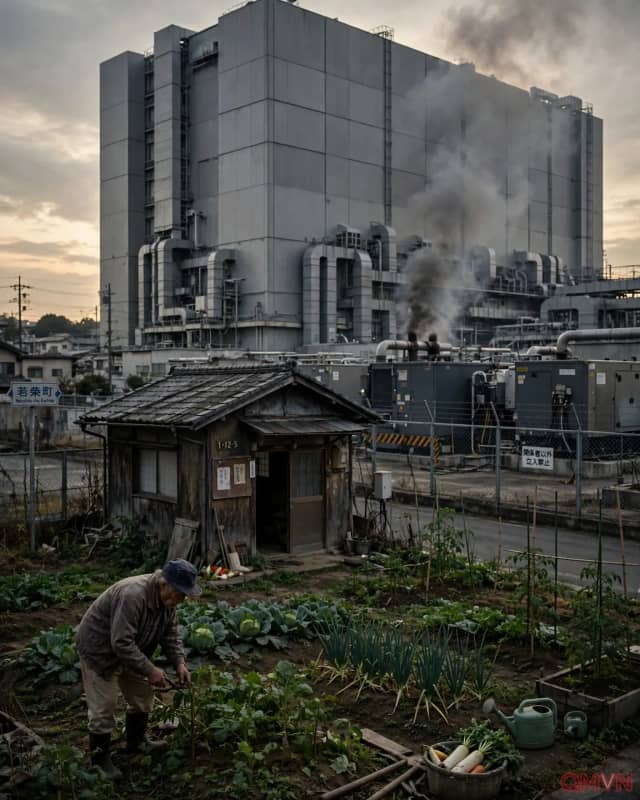
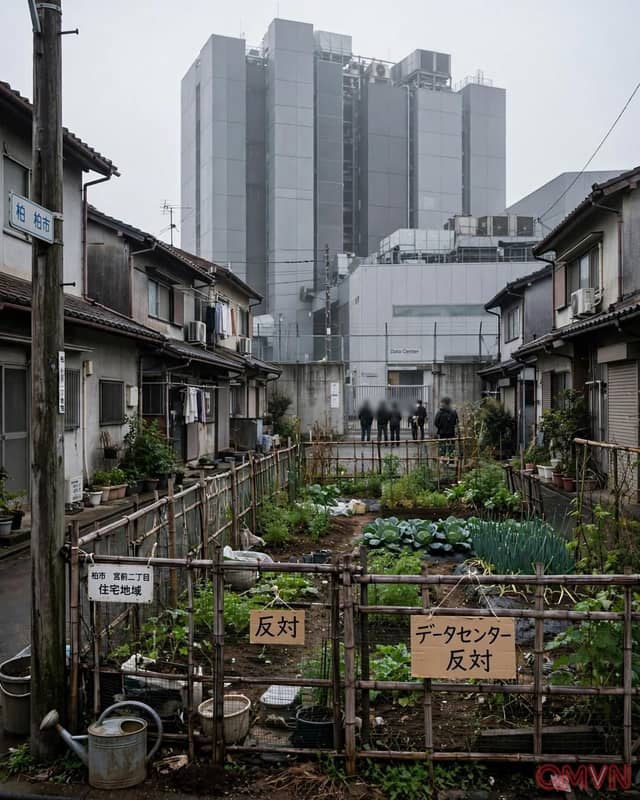
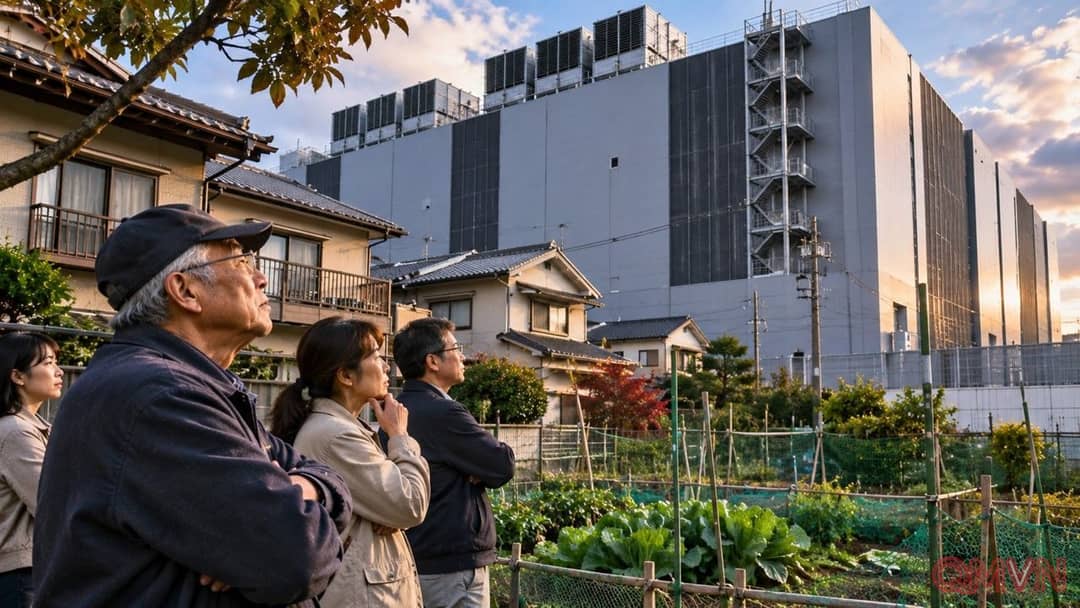
The contrast between a quiet home and a vast computing facility is particularly stark in Kashiwa. Two buildings owned by asset manager PAG rise 31 metres near the home of retired mechanic Susumu Goto. He told Reuters that generator tests bring noise and unpleasant fumes into his surroundings. Over the preceding two months, tests reportedly ran for about 110 hours combined, and two additional facilities are planned.
Data centres require more than servers. Cooling equipment, electrical infrastructure and emergency generators occupy substantial space. Backup power is essential to keep digital services running during an outage, but regular testing can impose a recurring burden on nearby households. The frequency, duration and timing of those tests matter just as much as the design of the buildings themselves. PAG said it considers environmental and community impacts and consults local leaders before construction.
When disaster planning becomes a neighbourhood issue
In Koto, a Tokyo district near the bay, nurse Ayano Sasaki is concerned about a 51-metre facility planned by Empyrion Digital for completion in 2029. Her apartment building is only 3.7 metres from the site.