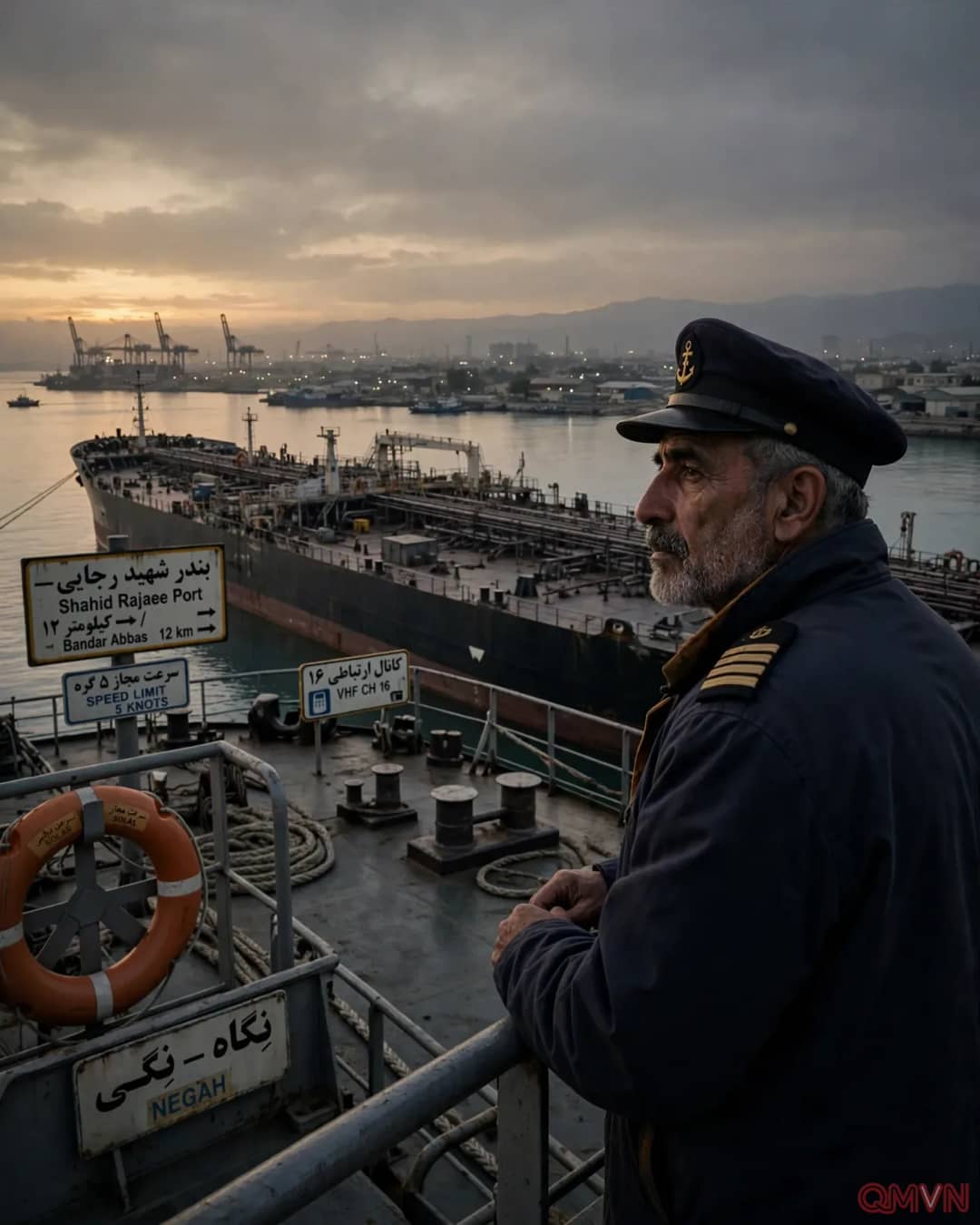
Prolonged economic pressure
President Pezeshkian has indicated that the cash-strapped civilian government is preparing for a prolonged economic crisis caused by the blockade and sanctions, but has admitted that lingering no war, no peace conditions will be harmful. A November 3 budget directive set out two scenarios: continued sanctions and blockade, or an improvement involving a substantial or complete lifting of the blockade.
“The government must prepare for circumstances in which oil revenue reaches zero.” – Mohammad Ghasemi, deputy at Iran's Plan and Budget Organization
Iranian officials stress there is no prospect of economic collapse and have even raised the possibility of breaking the blockade if necessary, although it is unclear by what means.
Blockade and drying oil flows
Figures show the scale of the blockade's impact:
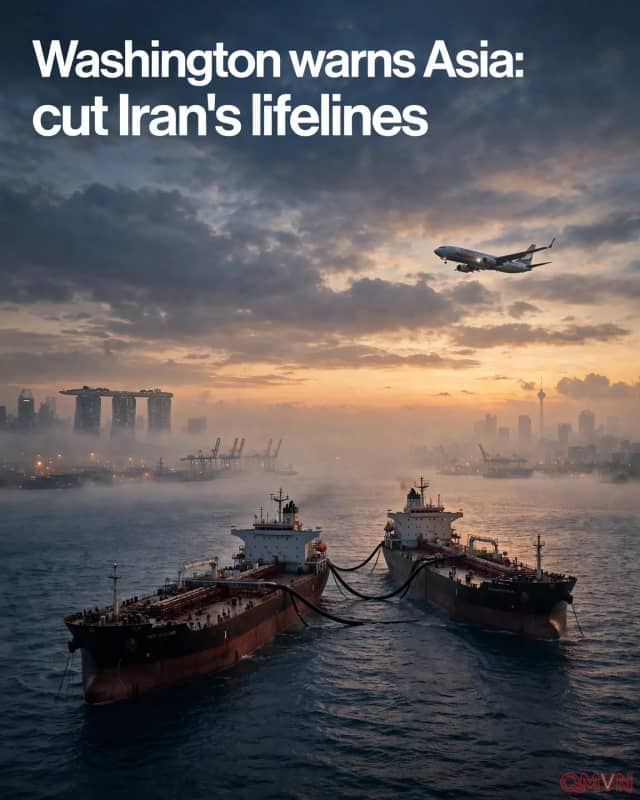
The US military first blockaded Iran's southern ports on April 13; a June memorandum briefly lifted it but collapsed within weeks, and a second blockade has been in place since July 14.
The US military says it has redirected 147 ships, disabled five and destroyed ten tankers linked to the Revolutionary Guards' shadow fleet.
According to Kpler, Iran's oil production has fallen below 2 million barrels a day, from 3.45 to 3.59 million early in the year.
Iranian crude and condensate floating outside the blockade zone fell from 88.8 million barrels on July 14 to zero in mid-October, and receipts could dry up around mid-December.
About 43 million barrels remain stranded inside the blockade area.
US sanctions have also limited air travel, while a new US task force announced this week aims to close or disrupt most of Iran's land borders with its seven neighbours.
The government's options
Oil still accounted for roughly a third of planned government funding in the 2026-27 budget proposal. Tehran-based economist Isaac Saidian said that if oil revenue falls sharply, the government should review spending, cut overlapping administrative structures and opaque grants, suspend low-return investment projects, reform tax exemptions, tackle evasion and issue bonds carefully.
Expanding non-oil exports and facilitating trade with neighbouring countries are also essential.
He cautioned, however, that such exports cannot replace oil revenue in the short term while banking, insurance and transport restrictions remain. The government has also signalled it may cut fuel and energy subsidies again, though gradually to limit the inflationary impact.
The cost to ordinary people
Government spokesperson Fatemeh Mohajerani said next year's budget would prioritise inflation control through fiscal discipline, household support and tighter oversight of banks, and the government will keep handing out electronic food coupons. Year-on-year inflation was nearly 89% in the month ending October 22, according to the Statistical Center of Iran.
The greatest danger is not that the government might run short of funds for a few months.
According to Saidian, the real danger is that the government stays afloat on paper while passing the cost to the public, leaving society poorer, eroding the middle class and weakening productive capacity. He said no austerity can replace sustainable access to trade and foreign currency, and that escaping stagflation would require reduced tensions.