A second threat in a week
Police said a 56-year-old man entered Beazley’s office on Wednesday, brandishing nunchucks, a martial arts weapon made of two sticks joined by a rope or chain, and making verbal threats. He was detained and charged with being armed in a way that may cause fear and with threatening to perform an unlawful act, and was due to appear in a Perth court on Thursday after spending the night in custody.
Police said there was no allegation that the man’s behaviour was connected to the alleged attack on Haines in the state of Victoria earlier in the week. Beazley, a state government minister, is the daughter of former federal Labor leader Kim Beazley.
Inside Beazley’s office
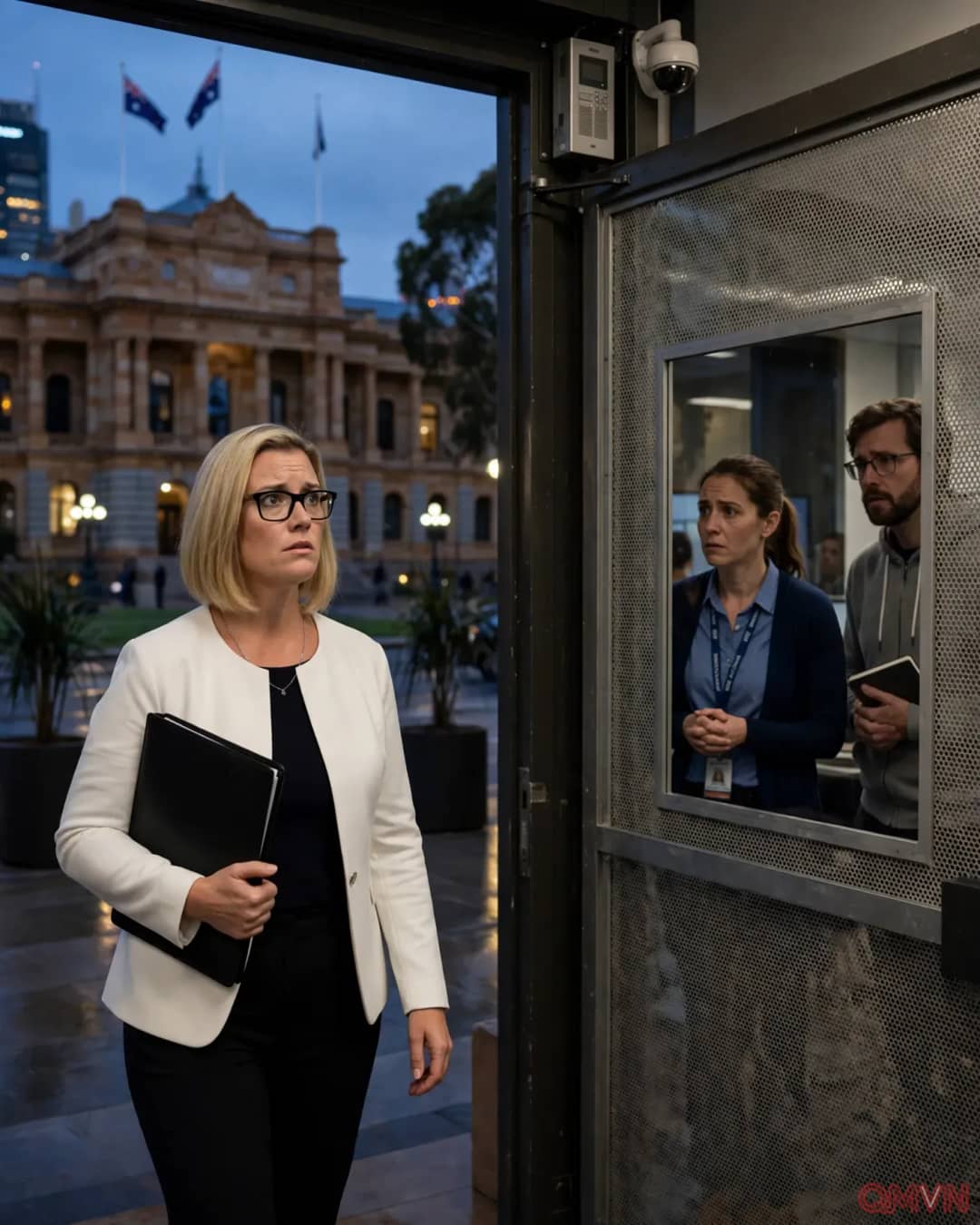
Beazley said she was at the state parliament when the man arrived at her electorate office demanding to see her. Two of her staff members were rattled by the encounter but remained safe behind a security screen, she said.
“We don’t know his motives at all.” — Hannah Beazley
Electorate offices are often the most direct point of contact between politicians and the communities they represent, where residents can raise everyday concerns. Security screens and other protections have been introduced in many offices in recent years, and the incident showed how such measures can help protect staff.
Haines remains in critical condition
The threat came days after a serious attack on a federal lawmaker:
- Helen Haines, a 65-year-old independent member of the federal parliament, was hit repeatedly by a car on Monday in Victoria, according to police.
- She remains in critical condition in a Melbourne hospital, where surgeons have amputated both of her legs, according to a health department statement.
- The man accused of the attack, Brendan Nugent, appeared in court on Wednesday charged with intentionally causing serious injury, dangerous driving causing serious injury and causing harm to a federal official; he did not enter pleas and remains in custody.
Police have not yet established a motive. The case has shocked many Australians, given the country’s tradition of relatively rare political violence and the close contact between lawmakers and voters.
Concerns for women in politics
Both incidents have raised fears about the safety of female politicians, who make up a growing share of Australia’s parliaments. Just under half of federal lawmakers, and a majority of Albanese’s Cabinet, are women. This week, Albanese attended an online security briefing for women lawmakers in his Labor Party, where security agencies addressed misogynistic threats against them.
“We can have debate and disagreement, but do it in a way without descending into the sort of violence that we have seen in too many parts of the world. It’s certainly not who we are as Australians.” — Anthony Albanese
Albanese said people were understandably concerned and anxious, and warned that there had been a normalisation of very aggressive behaviour that was not seen a couple of decades ago. Lawmakers across party lines agree that women face the worst of online abuse.
Abuse online and offline
Governor-General Sam Mostyn, only the second woman to serve as the British monarch’s representative in Australia, said she was abused on social media after speaking at a press conference on Wednesday alongside Haines’ husband, Phil Haines.
“Like any woman who has stepped up into any position across any part of our society, there is a unique and pernicious form of attack that comes our way.” — Sam Mostyn
Mostyn said women across the country recognise that some forms of attack are reserved for them because of their gender, and are often vicious. The incidents have prompted calls for stronger protection of elected officials, tougher action against online abuse and a broader conversation about the tone of public debate, while preserving the accessibility that many Australians value in their democracy.