MAIN ARTICLE
A city briefly rediscovers everyday life
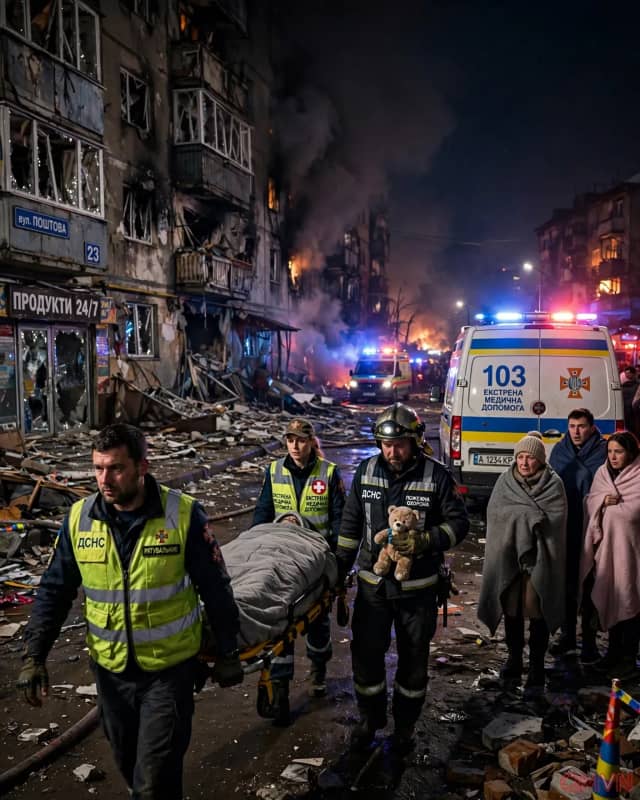
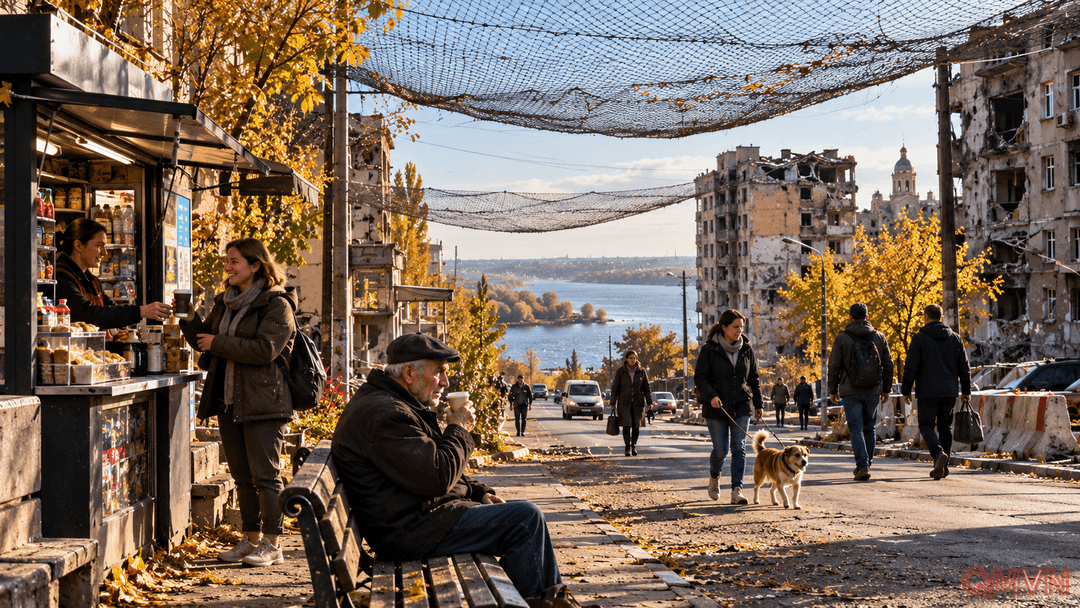
Kherson’s streets still carry the architecture of survival. Anti-drone nets hang above major roads; shattered buildings stand beside shops and cafés that try to remain open. Yet on Wednesday residents stepped into the sunlight, buses continued their routes, and public benches filled with people enjoying a quieter morning. The contrast revealed how much daily life has been reshaped by danger.
Kiosk owner Oleksandra Kosenko told Reuters that customer numbers nearly doubled to around 50. The most significant improvement was not simply commercial: she no longer had to rush toward shelter on her way to work. A short commute, ordinarily too mundane to mention, had become a measure of personal freedom.
Reporters also saw people walking dogs without constantly glancing overhead and older residents drinking coffee without distant explosions. These scenes are small, but their significance is immense. A ceasefire can be judged not only by diplomatic language, but also by whether people dare to resume familiar routines.
Aid requires more than a ceasefire announcement
The humanitarian arrangement is centered on Oleshky, the occupied town across the river from Kherson. Its purpose is to enable aid deliveries and voluntary civilian evacuation.