MAIN CONTENT
An enforcement operation with a long reach
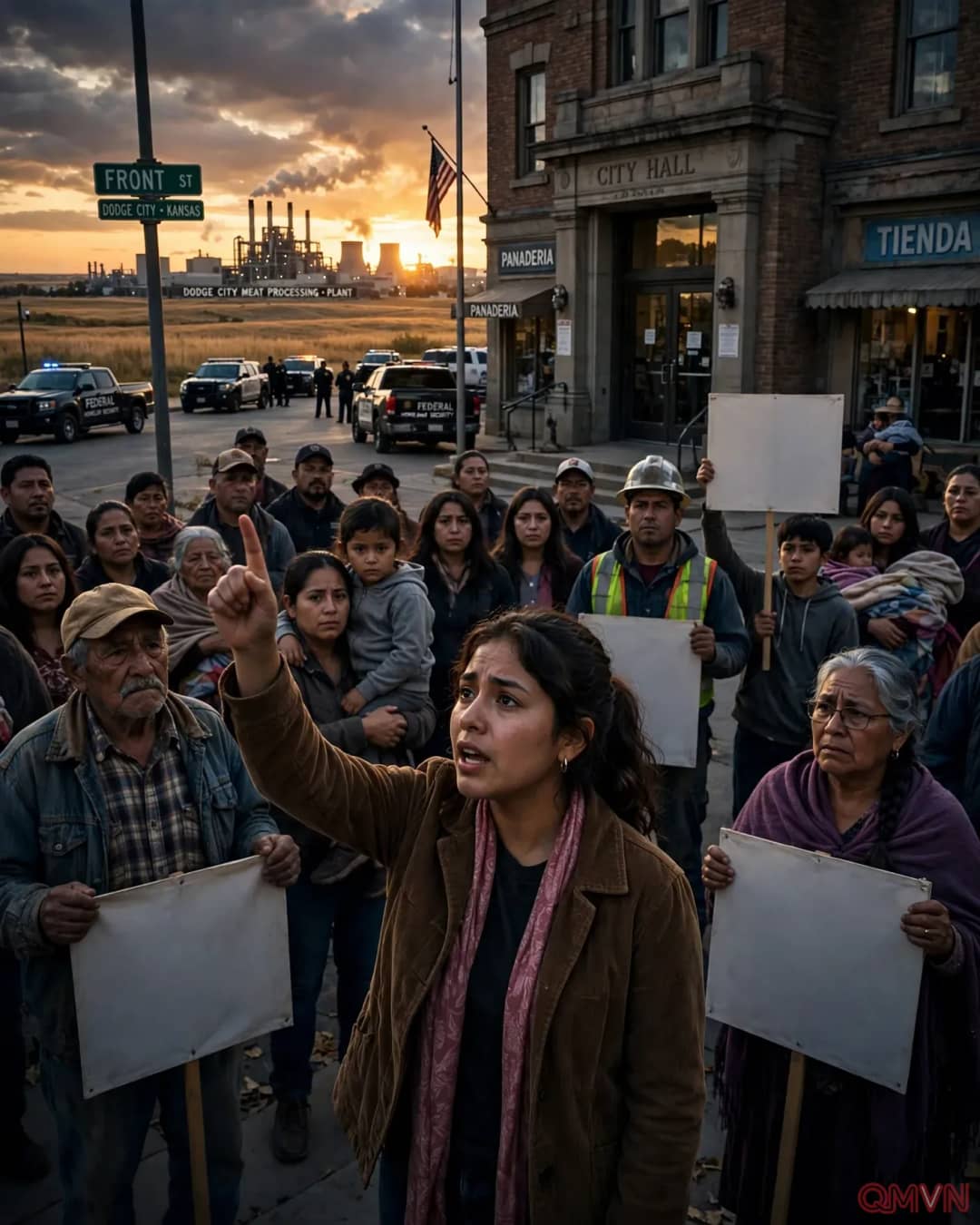
Dodge City, Garden City and Liberal are central to a regional economy built around cattle feeding, meat processing and the services that keep those industries running. Plants employ a workforce that includes many immigrants and supports nearby businesses and schools. That interconnectedness explains why the arrival of Immigration and Customs Enforcement agents in late September touched far more people than those detained. Reports of arrests near workplaces prompted some employees to stay away, creating new uncertainty for employers already dependent on reliable shifts and supply chains.
Carlos Rivera, a worker at the National Beef plant, told Reuters that employees sought shelter inside after learning that agents were stopping people leaving their shifts. Livestock and meat industry groups described interruptions at packing plants, feedyards and dairies, with losses reported in the millions of dollars. Those estimates signal the possible scale of the disruption, although they do not provide an audited figure for every affected company.
Federal officials have a mandate to enforce immigration law. But the way a large operation unfolds also shapes its consequences. In communities where employees, families and service providers are tightly connected, an enforcement action can generate costs for people who were never its intended subjects. The policy debate therefore cannot be reduced to a tally of arrests.