MAIN ARTICLE
One law, competing accounts of democracy
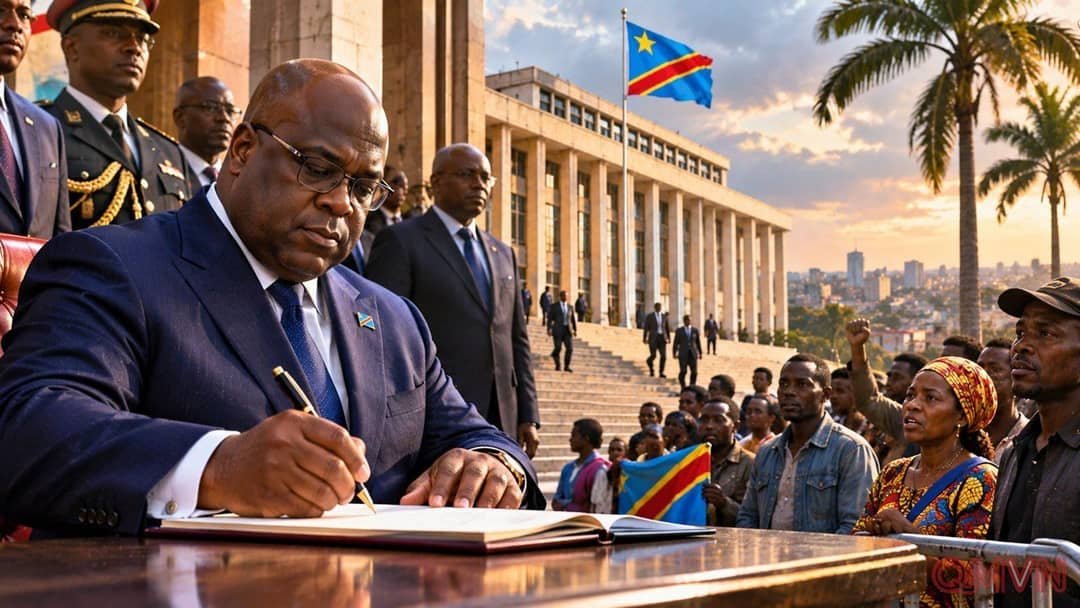
State television announced the measure after Tshisekedi signed it. The law sets out procedures through which a new constitutional text might be prepared and put before voters, or existing provisions amended. Creating a procedure, however, is different from calling a referendum, and neither step automatically rewrites the presidential term limit. The distinction matters amid claims that the country is already moving irreversibly toward another presidency.
Supporters of broader referendum powers can invoke popular sovereignty: citizens should have a voice over foundational political arrangements. Opponents fear that a government could use a popular vote to dismantle restrictions on its own tenure. The controversy therefore turns on two values that need not be enemies—democratic participation and constitutional restraint—but can collide when incumbents control the initiative.
The obstacle written into Article 220
Congo’s constitution currently provides for two five-year presidential terms. Article 220 expressly protects the number and duration of those terms against constitutional amendment, alongside such principles as judicial independence and political pluralism. Its wording creates a formidable legal question for anyone who wishes to alter the tenure rules, regardless of the political popularity of a proposed change.
A further dispute concerns whether replacing an entire constitution through a referendum would circumvent protections that prohibit ordinary amendment. That is a contested legal proposition, not an established judicial ruling. Without an announced referendum question, it is premature to say how a court would assess any specific proposal. For now, the constitutional barrier remains in place.
A denial that has not quieted the opposition
Tshisekedi took office in 2019 and is serving a second term scheduled to end in 2028. He says he has not sought a third term, yet told reporters in May that he would accept one if Congolese citizens wanted it.
Critics have treated the distinction between seeking and accepting another term with skepticism. It nevertheless remains important to distinguish their interpretation from a formal declaration of candidacy.
Opposition groups demonstrated in Kinshasa and elsewhere during 2026 against what they described as an attempted constitutional power grab. They contend that electoral legitimacy depends on honoring the rules already binding officeholders, not solely on winning a new plebiscite. Advocates of constitutional consultation respond that the people should be able to choose their governing arrangements. Neither slogan alone settles the legal question.
Eastern insecurity complicates the political calendar
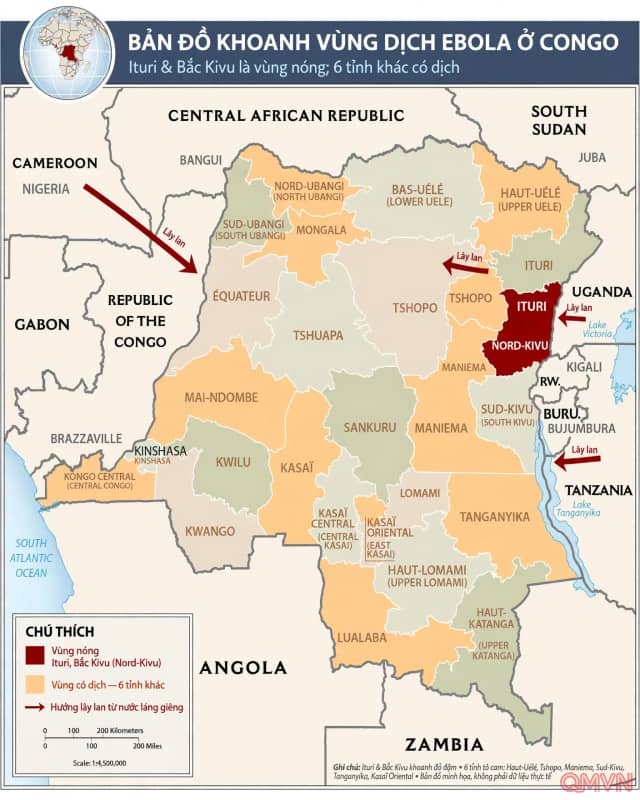
Fighting in North Kivu and South Kivu, including territory held by the M23 rebel movement, adds an immediate practical problem. Displacement, inaccessible districts and disrupted administration make registering voters, transporting election material and securing polling stations much harder. Such obstacles deserve attention on their own terms rather than being reduced to a political talking point.
In May, Tshisekedi warned that elections scheduled for late 2028 might not occur on time if the conflict persisted. The statement was conditional; it was not an official postponement. Nevertheless, alongside the referendum debate, it fuels opposition concern that exceptional security conditions could be invoked to prolong the current administration. A credible electoral timetable requires transparency about both risks and remedies.
Trust depends on what happens next
For a country with a history of tense transitions, confidence cannot rest on procedure alone. Voters need to know exactly which provisions might change, who writes the proposal, how dissenting opinions are heard and who independently supervises the process. A meaningful referendum also requires public debate unclouded by intimidation, alongside a clear account of rights that cannot be bargained away.
The significance of the November signature will ultimately be measured by the decisions that follow. A genuine expansion of public participation should strengthen, not erase, checks designed to protect pluralism and a fair competition for office. As of November 11, there is a new referendum framework and a heated dispute—but no announced referendum and no enacted third-term change.