MAIN ARTICLE
Water deliveries become a national priority
Fiji Prime Minister Sitiveni Rabuka declared a national state of disaster on November 18 after official assessments found that drought had crossed crisis thresholds. The declaration allows an intensified, centrally coordinated response to declining reservoirs and water shortages. Reuters reported that the government redirected 20 million Fiji dollars from existing funds to emergency supplies and assistance for households and farmers. Approving a budget is a critical starting point, not proof that every settlement can immediately receive reliable water.
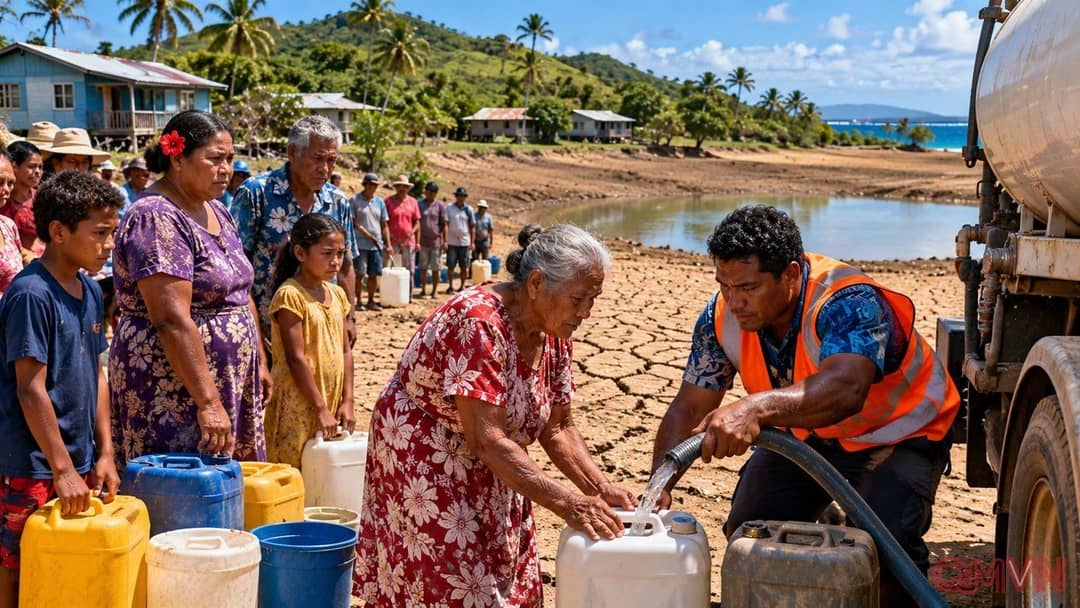
Tonga declared an emergency from 11 a.m. on November 19 until 11 a.m. on December 16, covering its land and maritime areas. Acting Prime Minister Viliami Latu described the effects on people, water resources, crops and livestock, including possible health consequences. Disaster managers and island authorities are coordinating emergency drinking-water distribution according to assessed need and vulnerability.
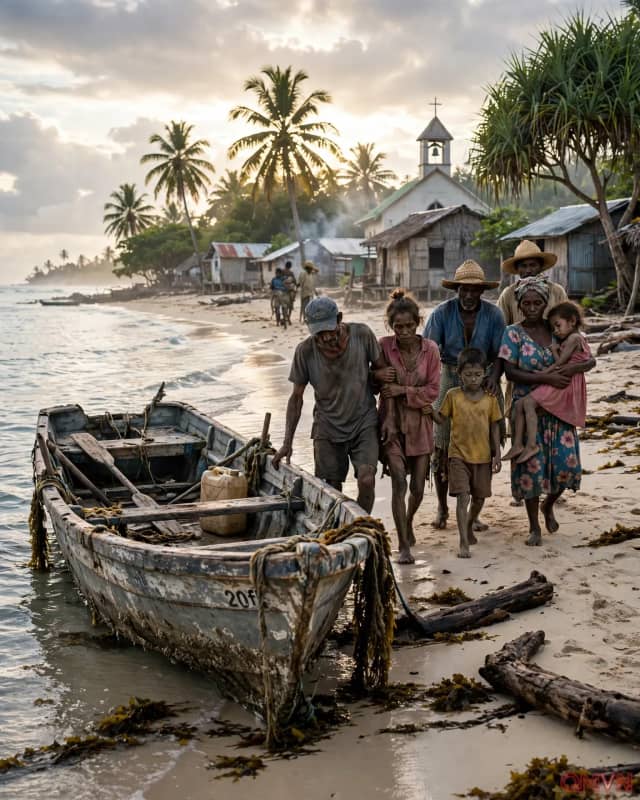
Water trucks can provide an immediate lifeline, yet their growing importance also exposes the logistical burden of servicing widely dispersed islands. Families must devote time to collecting and storing water; small businesses and schools may have to change their routines. Older people, children and low-income residents can face the greatest difficulties when shortages persist.