MAIN CONTENT
An agreement that begins, rather than completes, the repair
The US$250 million commitment is neither an immediate lump-sum payment nor a fully costed engineering programme. Rio Tinto says it will contribute the money over several years, while the partners and affected villages decide priorities, governance and implementation arrangements. The proposed fund responds to the Panguna Mine Legacy Impact Assessment, an independent study released in December 2024. Its activities are intended to follow the United Nations Guiding Principles on Business and Human Rights, placing both environmental damage and its human consequences within the same framework.
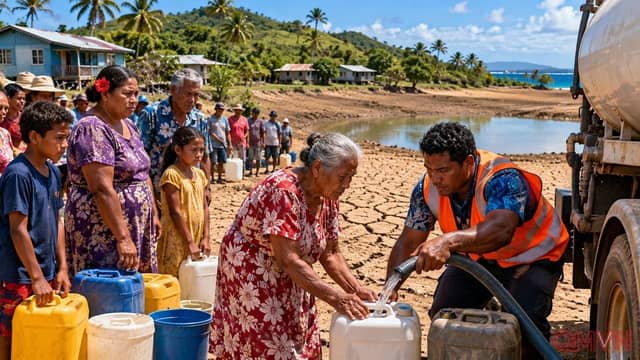
For Theonila Roka Matbob, a community leader and lead complainant in the process that prompted the assessment, the agreement provides a chance to tackle problems residents have lived with since the mine operated. That opportunity will depend on what the fund actually delivers. A credible process must identify whose water is unsafe, which settlements face the greatest danger and how communities can challenge priorities if urgent needs are overlooked. Years of consultation now face the more demanding test of execution.
The threats extend far beyond the abandoned pit
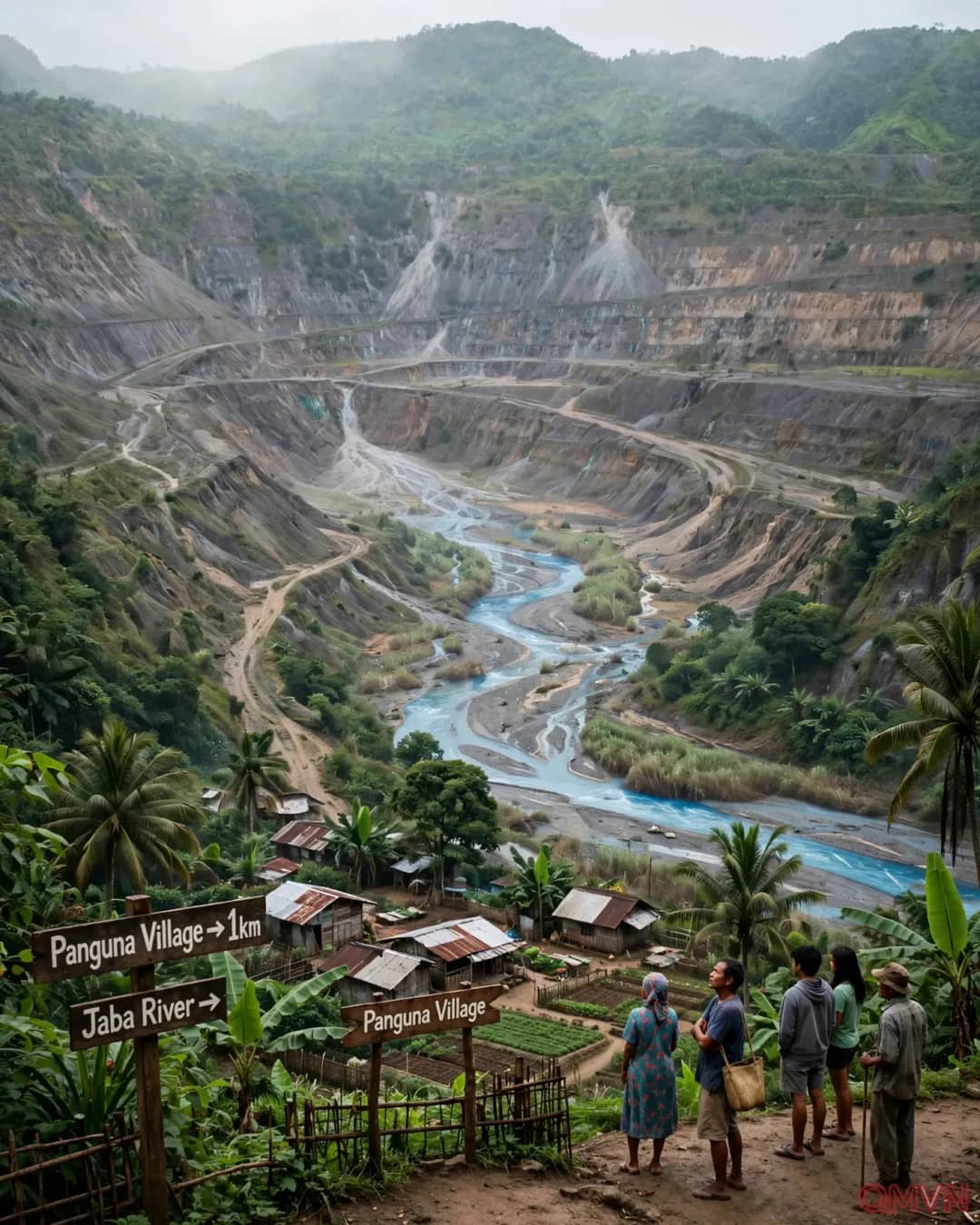
The mine’s legacy encompasses more than its enormous open excavation. Waste deposits, old levees, eroding slopes and unstable infrastructure expose nearby settlements to landslides, flooding and possible structural failure. Contamination has affected rivers and downstream areas.