MAIN ARTICLE
Two governments, two versions of the same promise
During the November 6 conversation, Greer and Bessent urged He Lifeng to act on earlier pledges, particularly purchases of US farm products and shipments of rare earths and critical minerals. The US Trade Representative’s office stressed concrete implementation rather than another expression of good intentions. The message came ahead of the leaders’ expected meeting around the APEC gathering in Shenzhen this month.
Beijing has framed the sequence differently. Its commerce ministry says China remains open to buying more US farm goods, but links that willingness to implementing the reciprocal “$30 billion for $30 billion” tariff framework. The demands are not inherently incompatible: either side could benefit from simultaneous progress. What obstructs the arrangement is uncertainty about when each obligation becomes binding and how compliance will be measured.
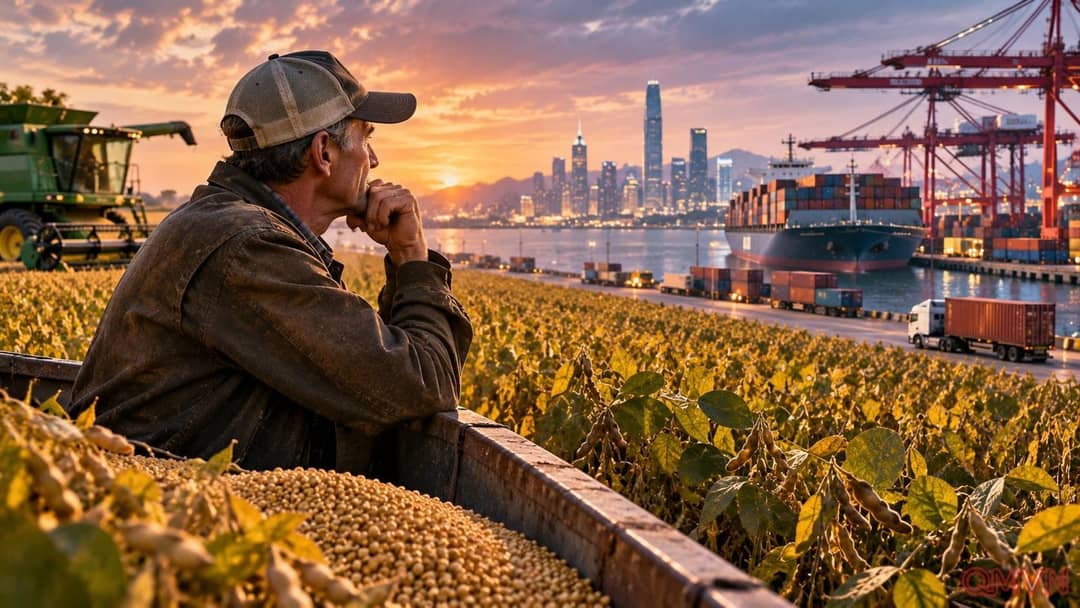
Soybeans at the centre of the tariff bargain
Under their bilateral Board of Trade, the two countries recommended preferential treatment for approximately $30 billion in imports on each side, or about $60 billion in combined merchandise. American import candidates include Chinese toys, home appliances and seasonal products; Chinese candidates encompass US agricultural commodities, medical devices and other goods.