MAIN CONTENT
One table, competing ambitions
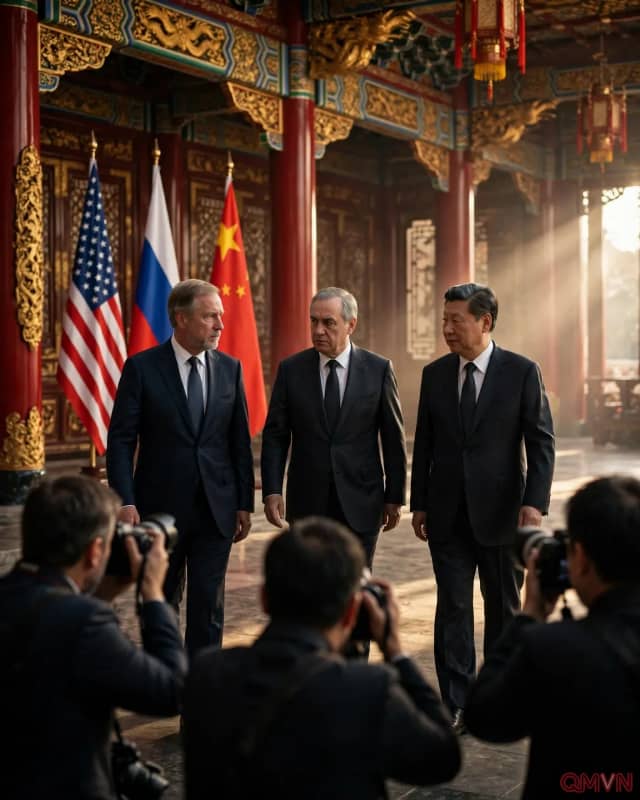
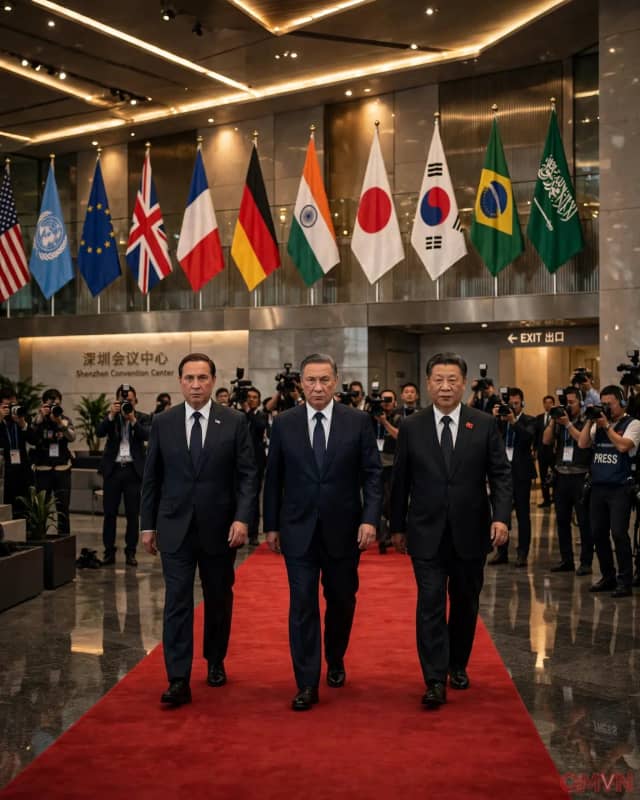
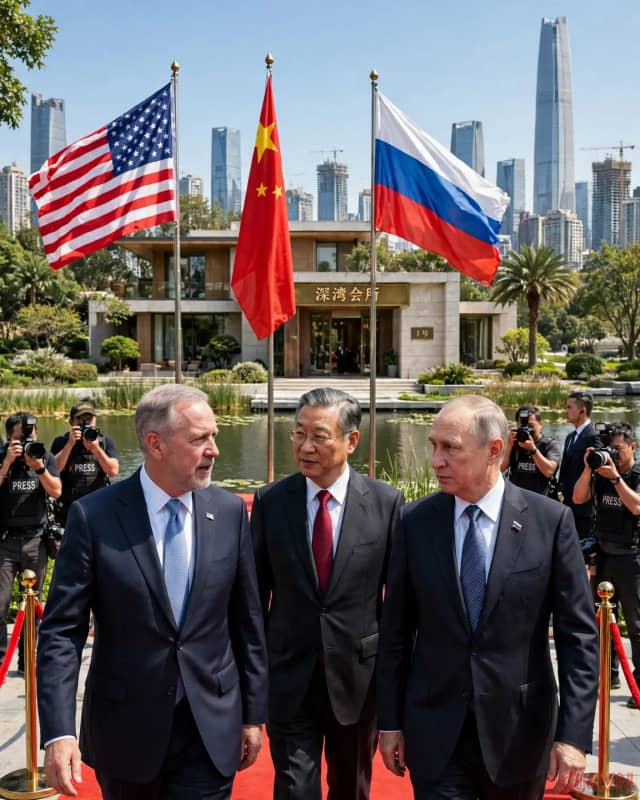
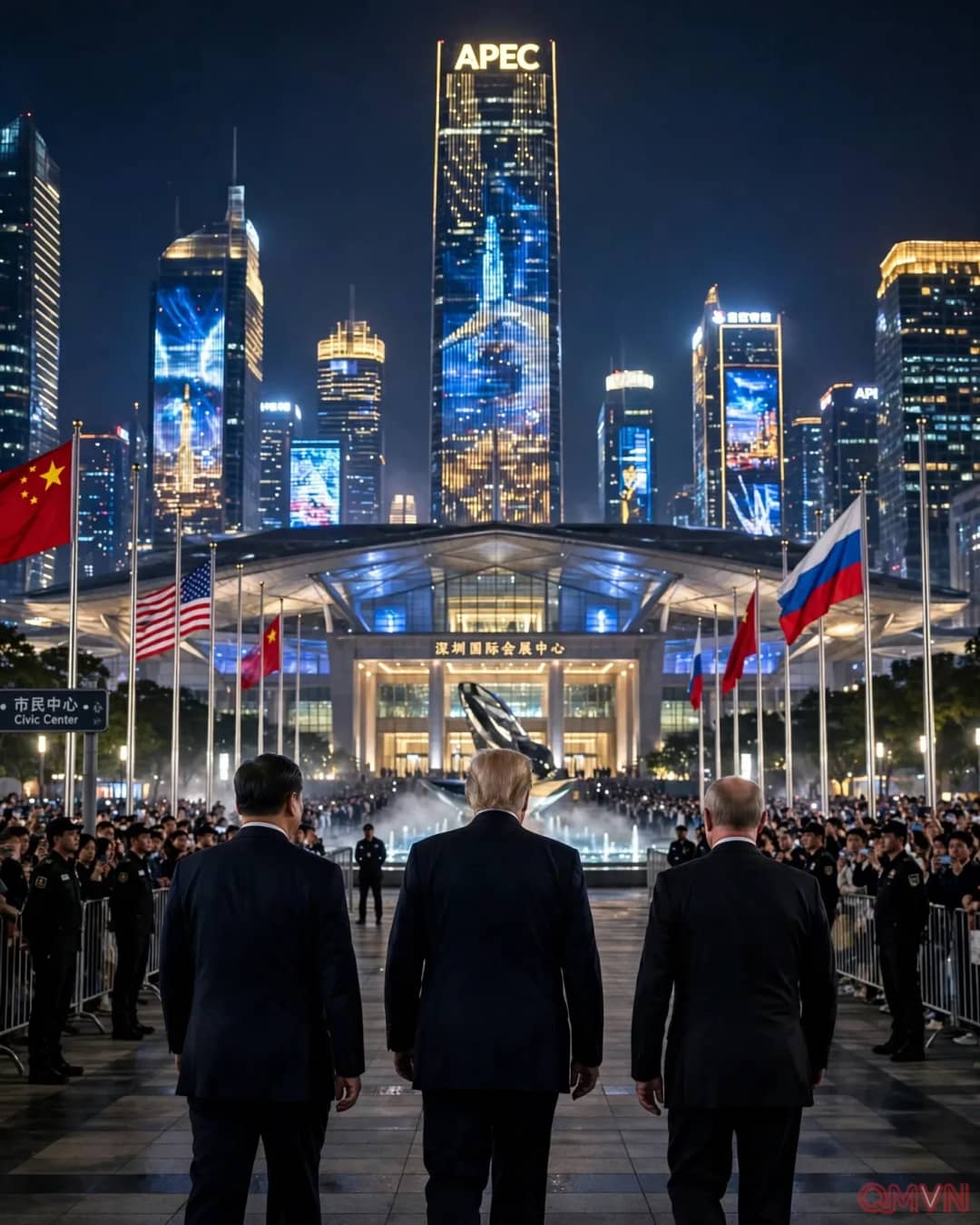
On November 16, China's foreign ministry confirmed that the three leaders would meet on the sidelines of the APEC gathering in Shenzhen. Spokesperson Mao Ning characterized the meeting as an opportunity for extensive exchanges on peace and stable major-power relations. Reuters and AFP noted that Beijing did not publish a specific negotiating agenda or draft joint statement.
Hosting the encounter gives Xi a chance to portray Beijing as a diplomatic convener. Trump can pursue commercial engagement while testing whether the nuclear powers can begin a new dialogue. Putin gains a platform alongside Washington and Beijing even as Russia's war in Ukraine remains a source of division with Western countries.
Those interests intersect without being identical. Brookings analysts have warned that the image of the three presidents together could ultimately outlast any policy deliverables. The difficult task is not securing a photograph but turning political intention into verifiable commitments, follow-up mechanisms and choices that the governments can sustain.
Nuclear restraint faces a fundamental gap
Russia and the United States still possess most of the world's nuclear weapons. China's arsenal is substantially smaller, although it is being modernized.
SIPRI describes a deteriorating arms-control environment marked by mistrust and a shortage of strategic dialogue. The expiration of the U.S.–Russian New START treaty in February 2026 made the search for a replacement framework more pressing.
Trump favors three-way discussions about reducing nuclear arms. Beijing has long argued that Washington and Moscow should first make deeper reductions in their much larger stockpiles. This disagreement concerns starting conditions, proportional obligations and verification. Even a shared declaration about lowering risks would be fundamentally different from a binding deal with limits, deadlines and inspections.
United Nations Secretary-General António Guterres has welcomed the prospect of serious discussion, but hope must not be mistaken for a guaranteed result. More modest achievements could include restoring communications, clarifying doctrines and creating expert-level talks. Sometimes diplomacy's first contribution is to reduce the danger of miscalculation before disarmament becomes possible.
Ukraine, Iran and the absent voices
Whether Ukraine will be a formal agenda item remains unclear. U.S. officials initially suggested it would not, but Trump subsequently said he intended to discuss the war. Ukrainian President Volodymyr Zelenskyy has warned of a new version of Yalta, in which major powers negotiate spheres of influence without the country experiencing the invasion at the table.
Iran poses another test. The conflict involving the United States and Israel has complicated the calculations of Tehran, Beijing and Moscow. China wants to prevent renewed escalation and protect important economic relationships. Yet the three leaders' interests regarding Iran do not fully coincide, so any broad statement is unlikely by itself to produce a durable settlement.
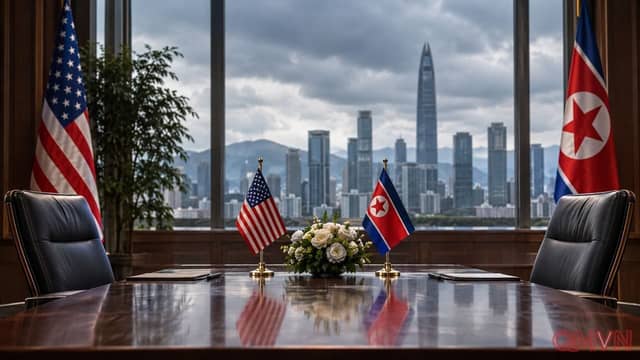
Trump has also floated a possible encounter with Kim Jong Un, without confirmation that North Korea's leader will attend. Such uncertainty underlines how fluid the Shenzhen event still is. Its success should ultimately be measured by concrete texts, sustained negotiations and the participation of directly affected parties, not by the symbolism of a diplomatic portrait.