MAIN CONTENT
Asia-Pacific’s premier economic forum and Shenzhen’s strategic showcase
Established in 1989 in Canberra, Australia, as an informal 12-member dialogue group, APEC has evolved into the Asia-Pacific region’s foremost platform for advancing economic growth, trade, and investment. Its distinctive designation of "member economies" rather than sovereign states enables both Chinese-ruled Hong Kong and democratically governed Taiwan to participate alongside major powers, operating strictly through non-binding commitments reached by consensus. The Leaders’ Meeting on November 18–19 follows the annual APEC CEO Summit scheduled for November 17–18.
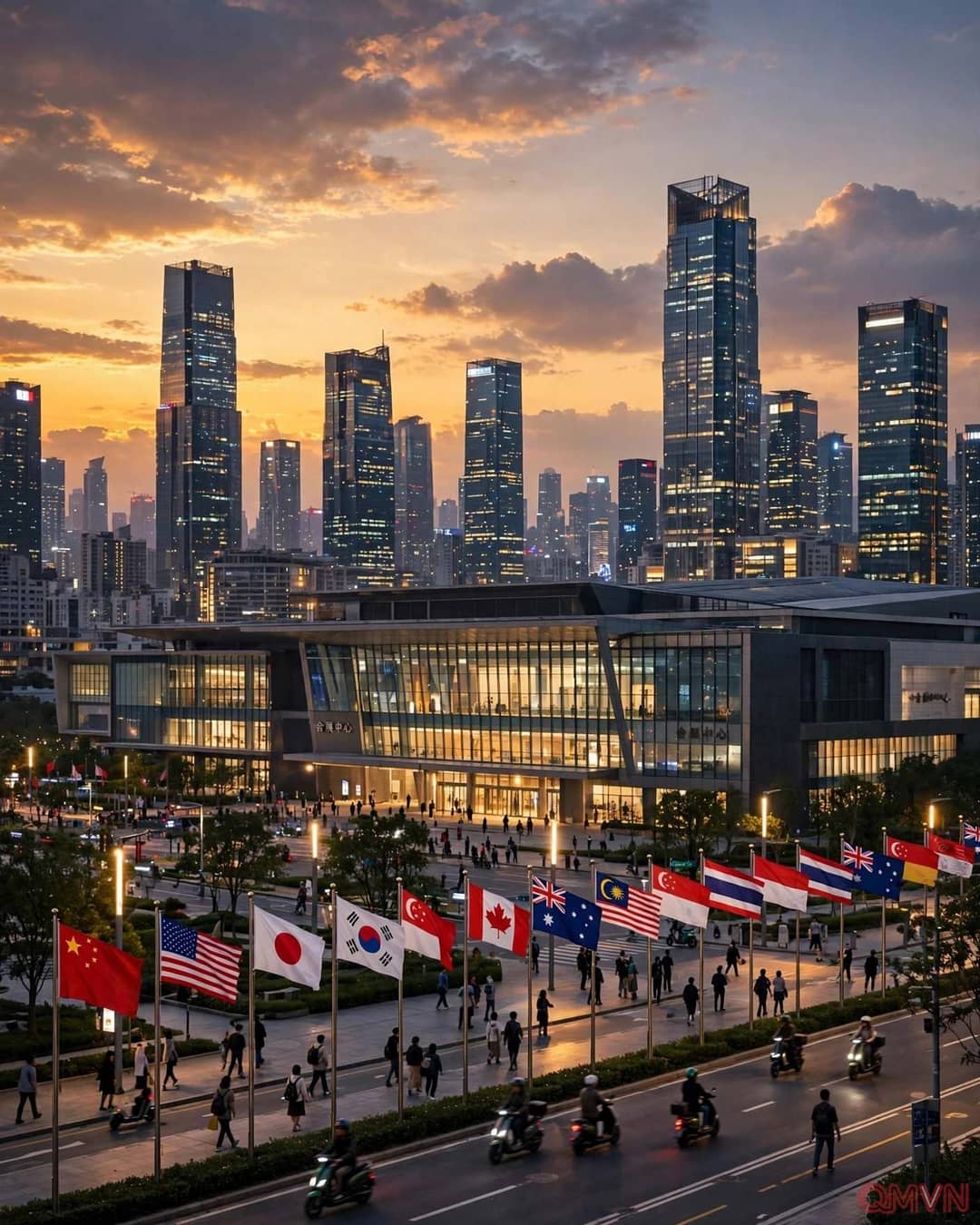
This year marks China’s third turn as host, following Shanghai in 2001 and Beijing in 2014. Selecting Shenzhen—home to Chinese automotive and technology powerhouses including BYD, Huawei, and Tencent, and a vital pillar of the Greater Bay Area linking Hong Kong and Macau—carries deliberate symbolic significance.
“The city offers a platform to showcase China’s vision for development and trade, while highlighting Shenzhen’s resilience to geopolitical turbulence.” Chim Lee
As Chim Lee, senior analyst at the Economist Intelligence Unit, observed, hosting the gathering in Shenzhen underscores Beijing’s ambition to project innovation-driven strength and economic durability despite external pressures.
Global leaders converge amid tripartite superpower dynamics
Although Beijing has yet to release a final official roster, expected attendance by US President Donald Trump and Russian President Vladimir Putin alongside Chinese leadership makes Shenzhen the focal point of global diplomacy next week.
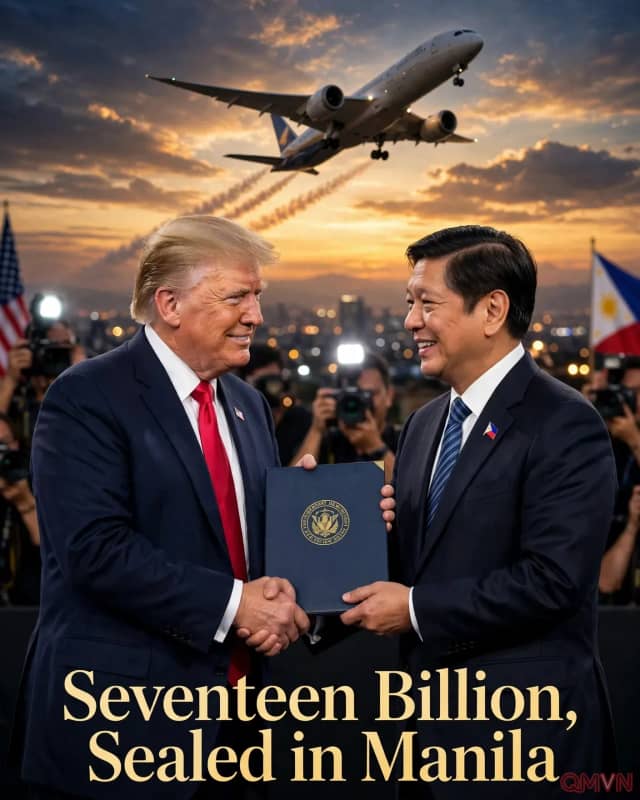
Other prominent attendees slated to participate include Philippine President Ferdinand Marcos Jr., Japanese Prime Minister Sanae Takaichi, New Zealand Prime Minister Christopher Luxon, and leaders from Canada, Australia, Mexico, Indonesia, Malaysia, South Korea, and Vietnam. Taiwan has appointed Acer founder Stan Shih as its official envoy.
Analysts are closely watching potential tripartite dynamics among Washington, Beijing, and Moscow. Experts note that China remains reluctant to join nuclear disarmament discussions given its smaller arsenal compared with the US and Russia, whereas Washington and Moscow share pressing incentives to address the war in Ukraine.
Geopolitical flashpoints clouding the economic agenda
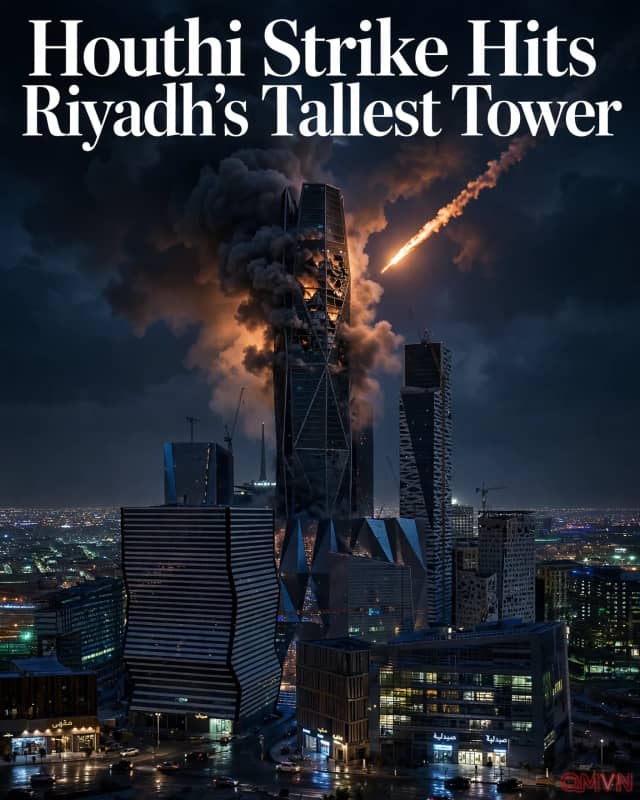
Beyond routine pledges on open commerce, acute geopolitical friction dominates the agenda in Shenzhen. Foremost among shared economic concerns are the spillover effects of Middle East instability, which threaten energy security, maritime trade flows, supply chains, and global inflation.
Bilateral US-China relations remain another decisive barometer for global markets, as both sides fall short of commitments toward an extended trade truce. Sensitive disputes over rare earth supplies, artificial intelligence governance, tariffs, and US arms sales to Taiwan are poised to surface during high-level talks.
Meanwhile, Beijing’s strained ties with key neighbors will draw intense scrutiny. Friction with Tokyo has lingered since November 2025, when Prime Minister Takaichi suggested Japan could deploy its military if a Chinese move against Taiwan threatened Japanese territory, while persistent tensions in the South China Sea continue to test China-Philippines relations.