MAIN CONTENT
A clear plastic mask stands between a young girl and permanent scarring
Deep burn scars trace across the side of Masa Yassin’s face, behind her ear, over her scalp, and down her neck—the lasting aftermath of a July cooking gas tank explosion that engulfed her family’s tent in flames. Since the accident, a custom-molded, transparent 3D-printed mask has served as an essential therapeutic shield to compress swelling and restrain thick scar tissue.
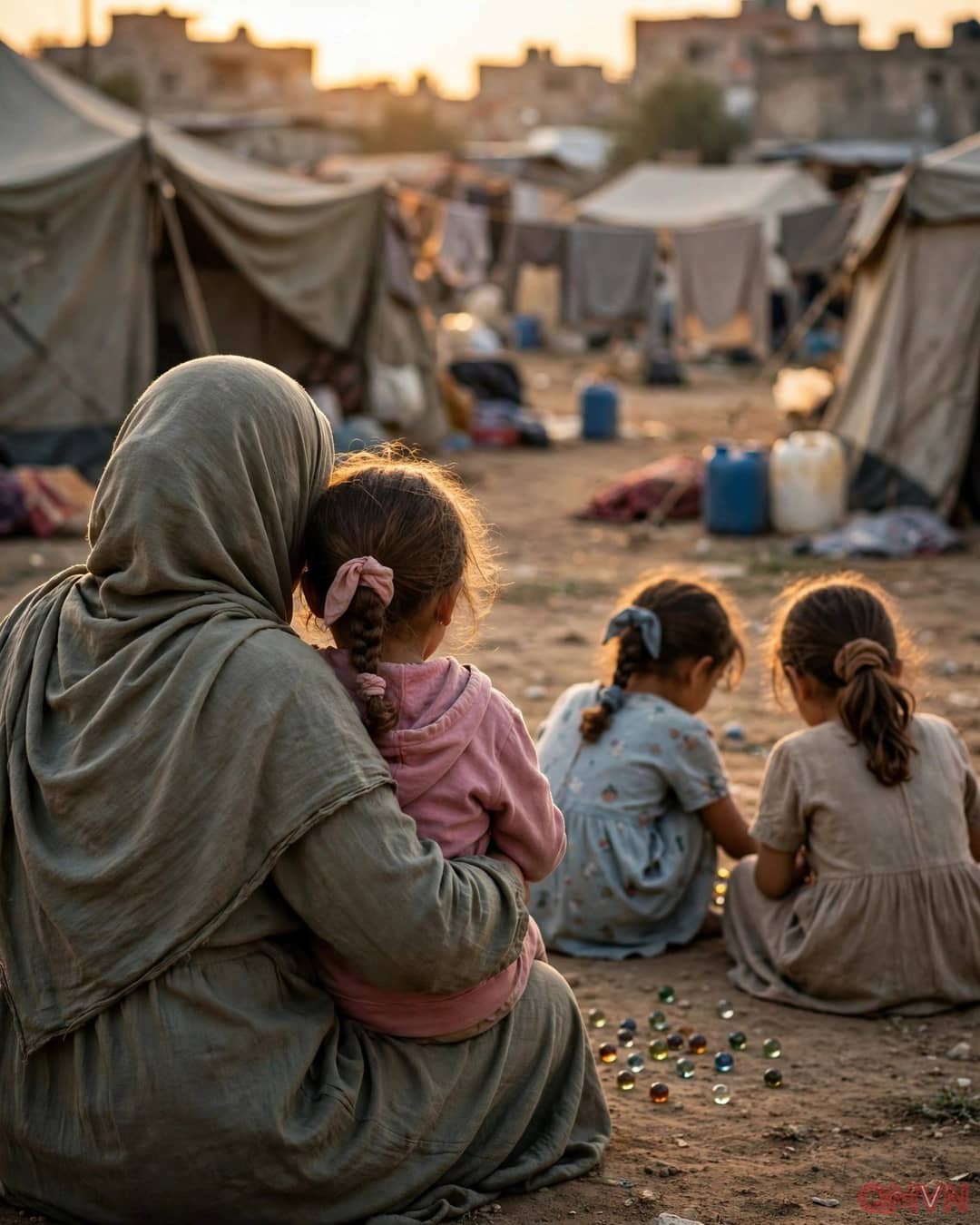
Now, as the six-year-old grows, her current mask is nearing the end of its fit. Seated on a plastic chair inside their tent in a Gaza City displacement camp, her mother, Islam Yassin, gently adjusted the straps while voicing quiet dread that without a replacement mask, her daughter will develop severe scar contractures requiring reconstructive surgeries that are simply unavailable inside Gaza.
Deadlock over local staff lists freezes MSF medical imports
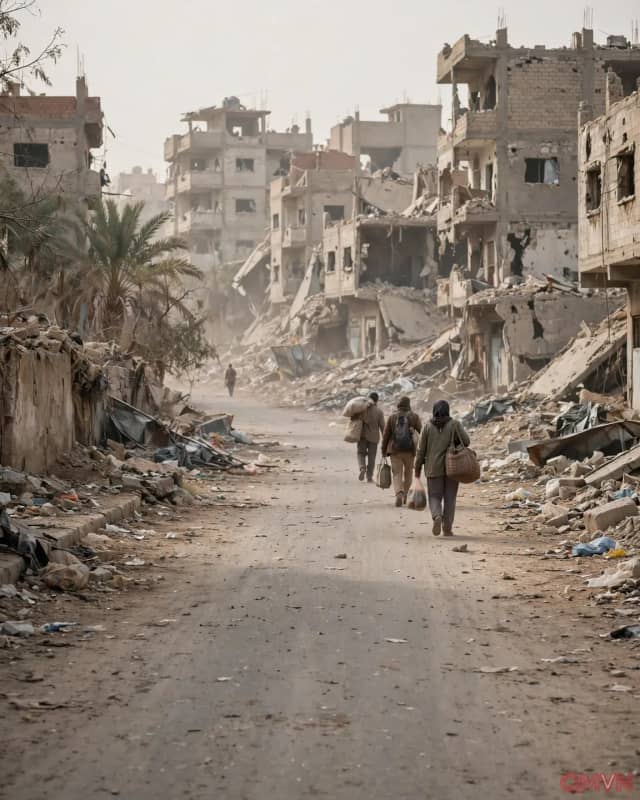
More than a year after a ceasefire halted major hostilities, Gaza’s entire population of over two million Palestinians remains crowded into roughly one-third of the enclave, living largely in makeshift tents and battered structures while Israeli forces retain full control over all border crossings.