MAIN CONTENT
A private complaint becomes a public campaign problem
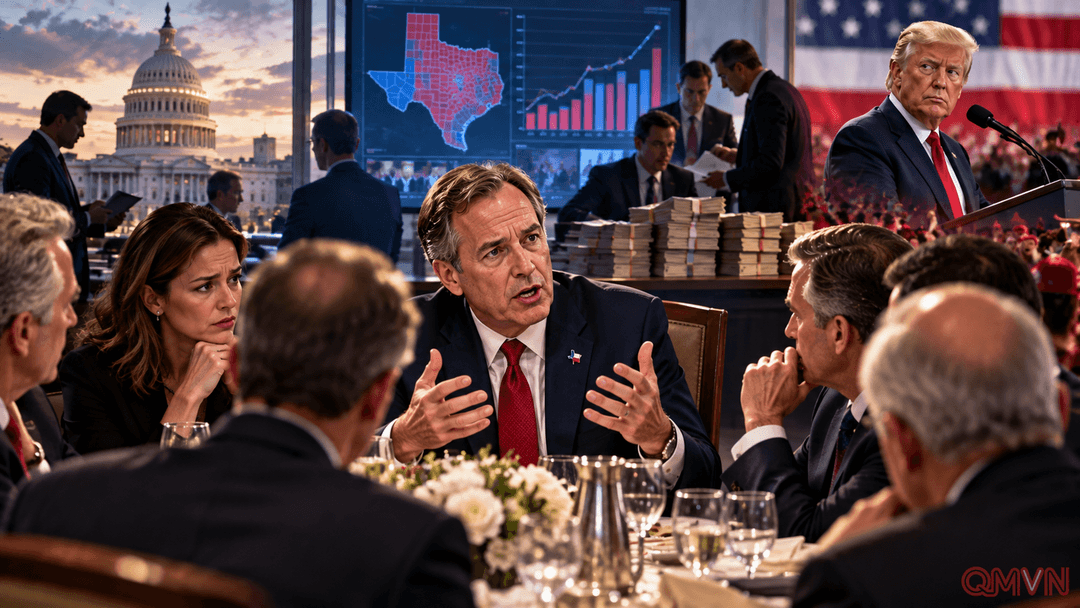
In audio from a private September 24 fundraiser, Ken Paxton told conservative donors that he had never run a race in which he felt less control over the campaign. He said messaging in a federal contest often comes from “other people” and stressed that he did not fully control what was being done. One attendee told Politico that although Paxton did not explicitly name Trump’s team, people in the room understood the broader reference to Washington influence.
Paxton’s campaign tried to narrow the interpretation. Adviser Nick Maddux said the candidate was talking about super PACs, outside organizations that can spend independently but are legally barred from coordinating directly with a campaign. That explanation fits the formal architecture of U.S. campaign finance, yet it does not erase the larger question: when an outside network supplies money and messaging on a large scale, the line between assistance and loss of control can become very thin.
An alliance that needs both sides but increasingly shows strain
Trump played an important role in helping Paxton defeat incumbent Senator John Cornyn in the Republican primary in May. MAGA Inc., the main pro-Trump super PAC, later launched a $10 million Texas ad buy, split between advertising for Paxton and against James Talarico. It was the group’s first major general-election expenditure of the 2026 midterms, underlining how strategically important Texas has become.