MAIN ARTICLE
Beijing talks focus on regional security
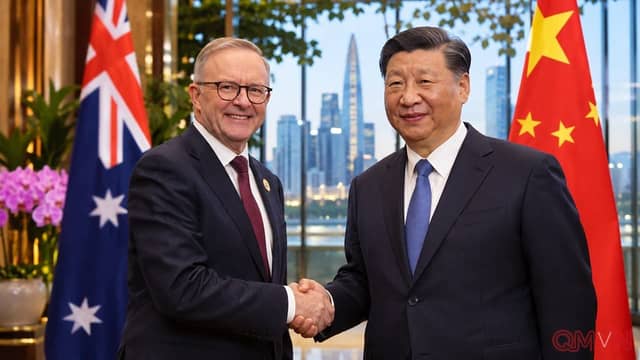
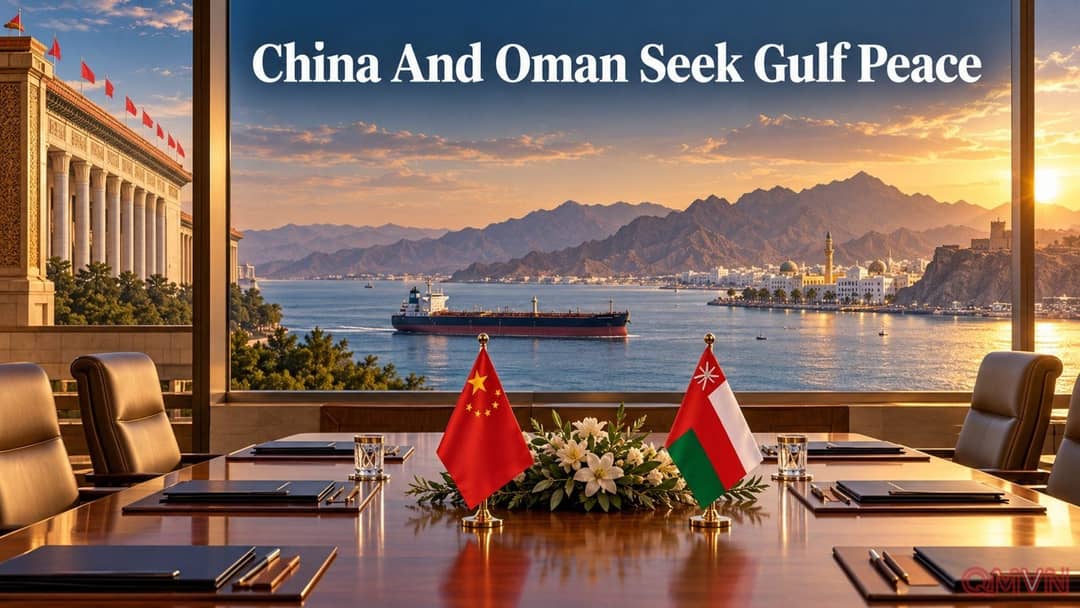
Xi told Haitham that China was willing to coordinate with Arab countries in pursuit of lasting peace. According to China’s Foreign Ministry, he said stability in the Middle East and Gulf required protection and care from all parties. The remarks set out Beijing’s position during a war that has snarled the Strait of Hormuz and increased global energy and shipping costs. They also connected regional security with cooperation extending beyond the immediate conflict.
A joint statement containing 20 points addressed a specific consequence of the war. Both countries supported the resumption of normal and safe navigation through Hormuz. They called on the United States and Iran to choose peaceful options, return to the agreement reached in June aimed at ending the conflict, and restart dialogue. This was a shared diplomatic appeal; the report did not establish that the warring parties had accepted or implemented those steps.
China’s Foreign Ministry subsequently said its Middle East special envoy, Zhai Jun, would visit Iran, Oman and Saudi Arabia during November. The announced itinerary provides a further opportunity to consult governments concerned by the conflict. Its results remain ahead. At this stage, the information describes continued diplomatic engagement rather than a new ceasefire in force or an operational arrangement already guaranteeing the passage of ships through the strait.