A futuristic city’s coming-out party
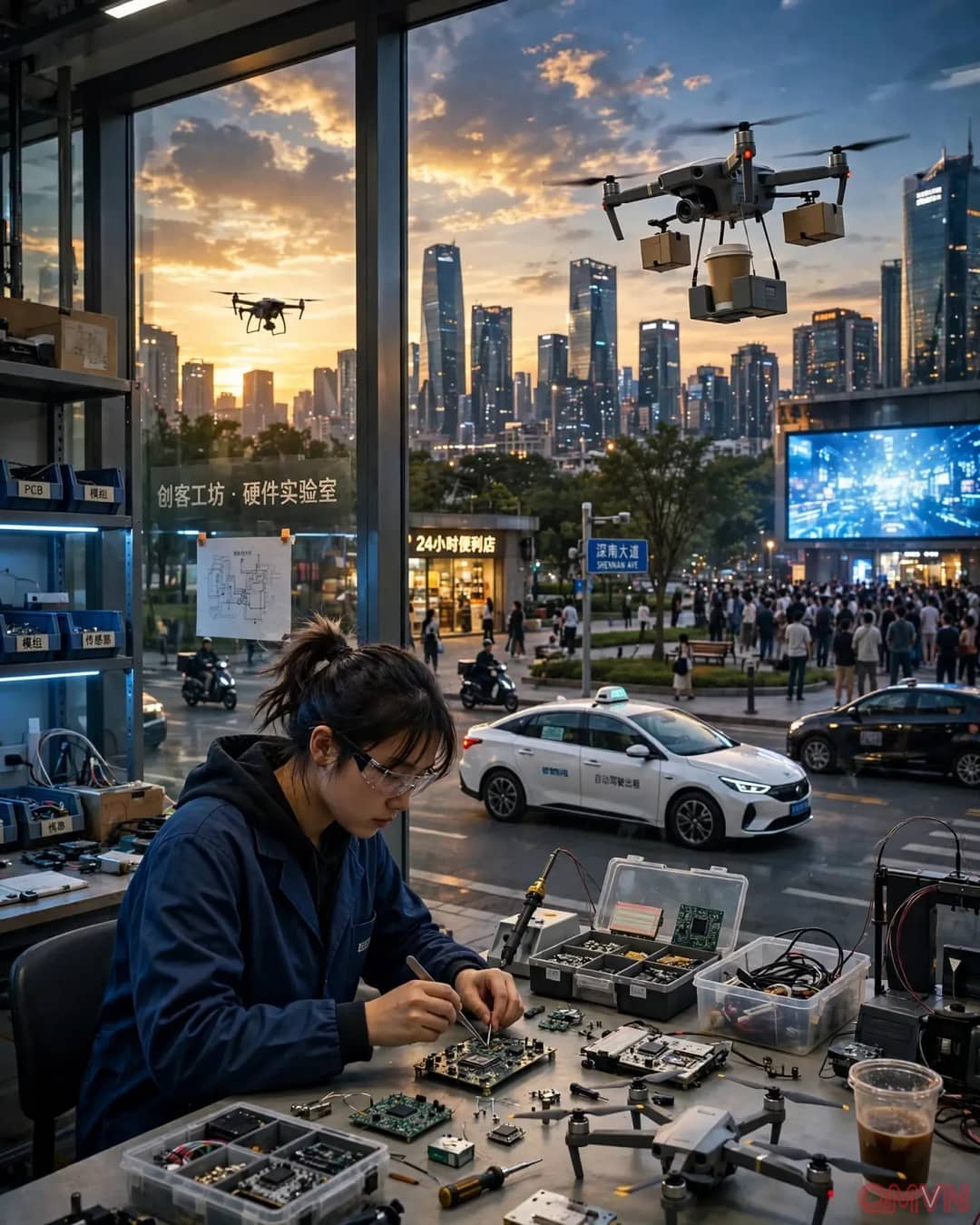
Along Shenzhen’s thoroughfares, billboards invite the world to gather and witness its wonders. Nearby, self-driving taxis glide through traffic while Meituan drones fly coffee orders to customers in a park. The APEC summit on November 18-19 is seen as an international coming-out party for this southern city.
Once the place where China’s Communist Party tested its embrace of market economics, Shenzhen is now the country’s leading technology hub. Its skyline is crowded with towers housing giants such as Tencent, while neighborhoods like Liuxiandong host companies building portable power stations and exoskeletons.
Yet the forgiving era of globalization that made Shenzhen the world’s factory floor is over. Many countries complain that cheap Chinese exports are undercutting their local industries, as Beijing’s trade surplus exceeded $1 trillion in the first 10 months of 2026 and is on track for a new record.
Startups built to sell to the world
Reuters interviews with executives at seven startups show that the backlash abroad has not changed how many Shenzhen businesses plan to operate. At the hardware incubator InnoX in Liuxiandong, about 80% of the projects run by its more than 120 startups target foreign customers.