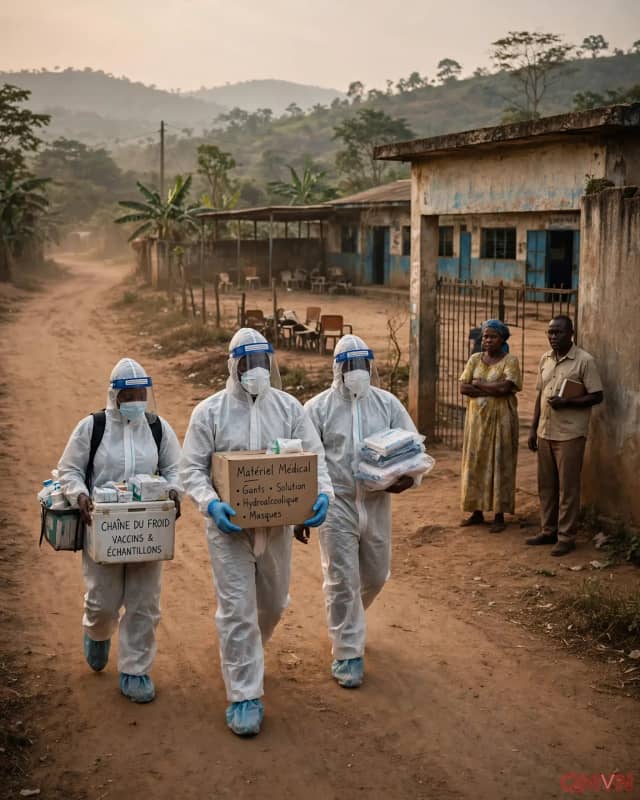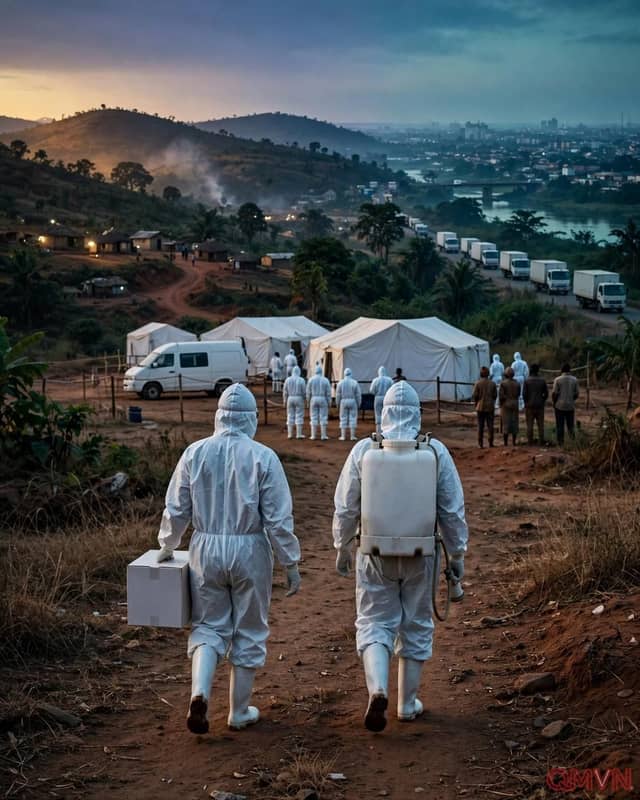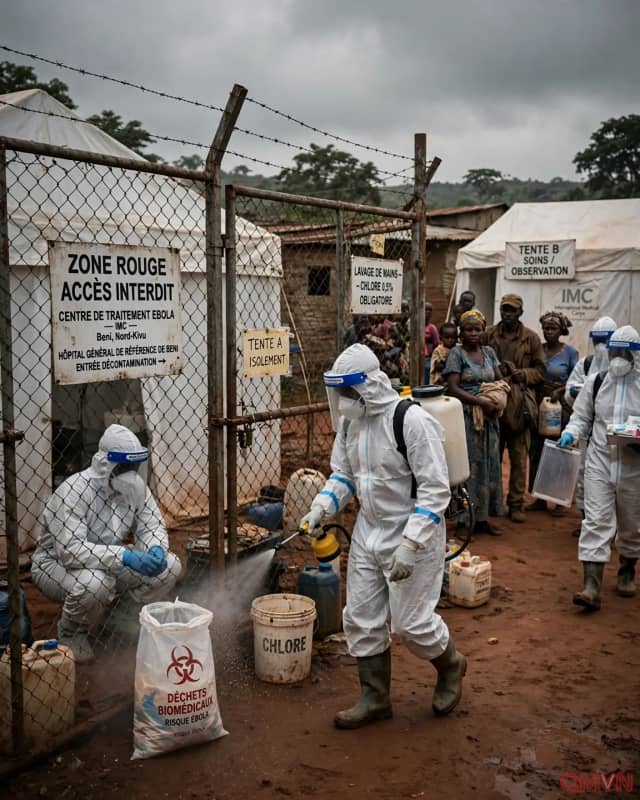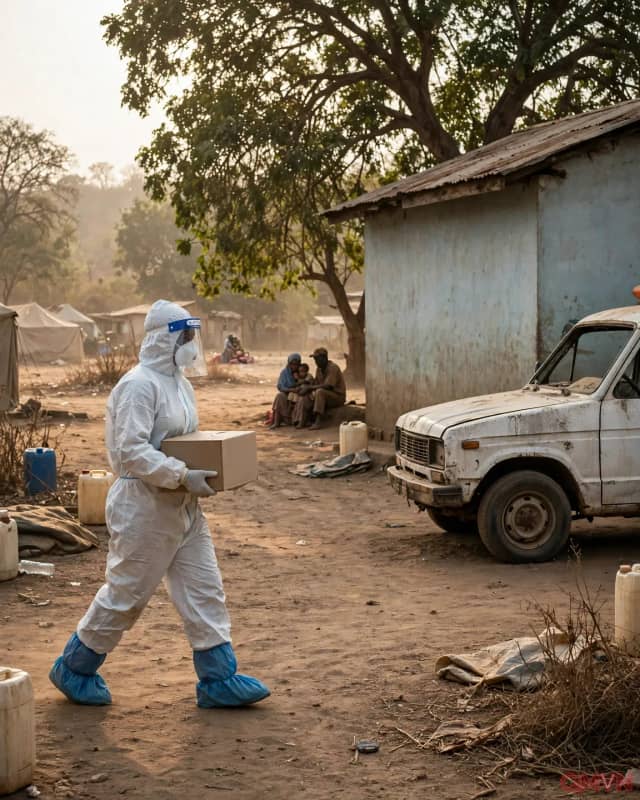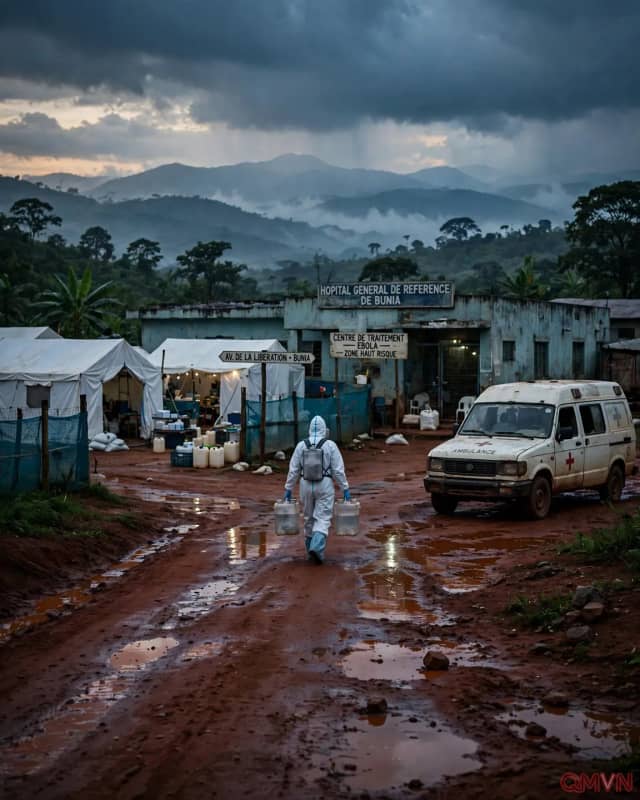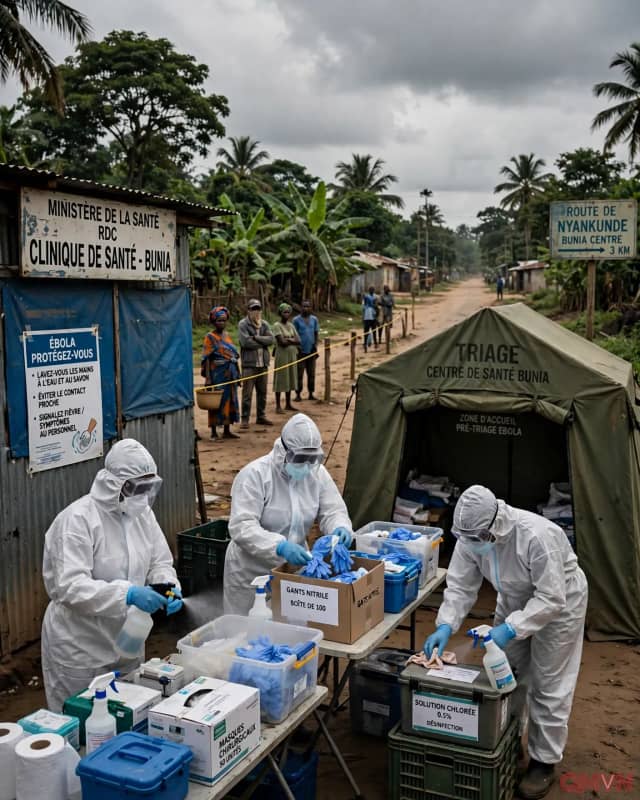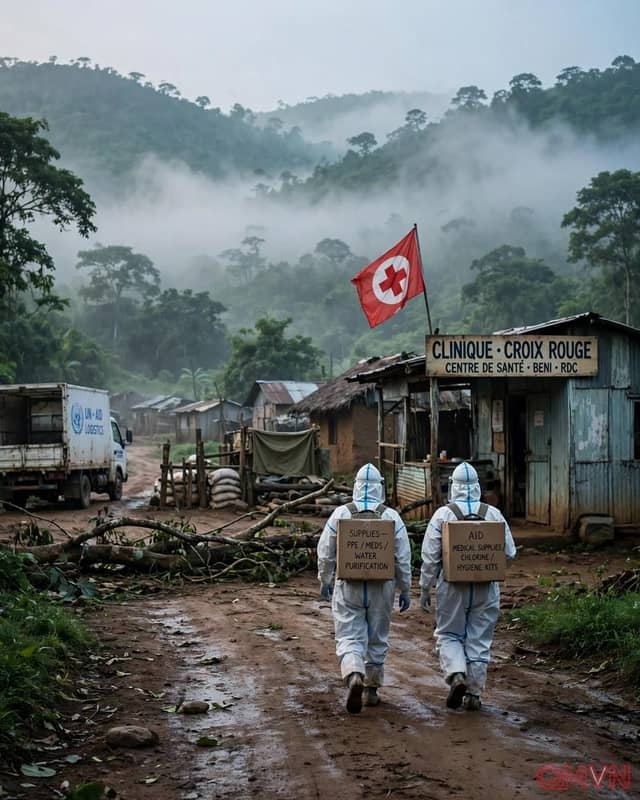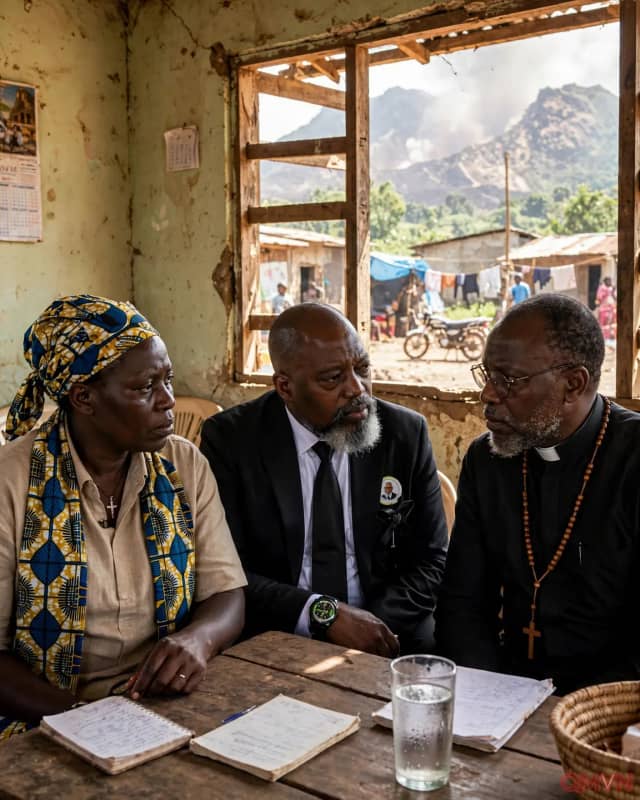
A journey across borders reveals screening gaps
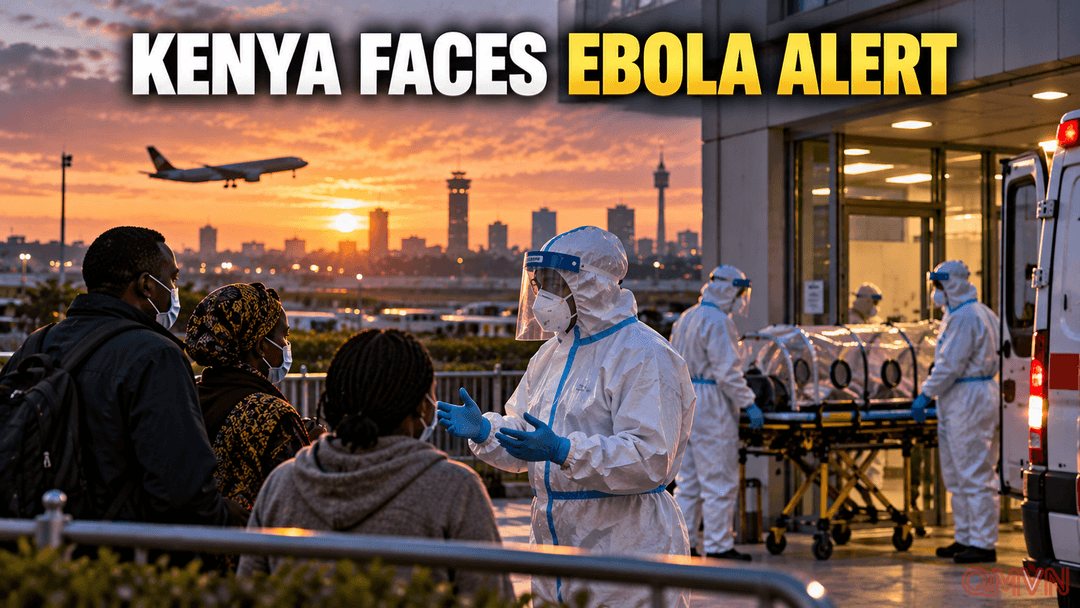
The Kenyan citizen had lived in the Democratic Republic of Congo for about seven years and reportedly became ill approximately a month before his return. Kenya’s Health Ministry said he received care at several Congolese facilities, traveled by road to Kampala in Uganda and took Jambojet flight 8523 to Nairobi on October 3. He passed through routine checks at Jomo Kenyatta International Airport before a relative and a friend brought him to Nairobi Hospital.
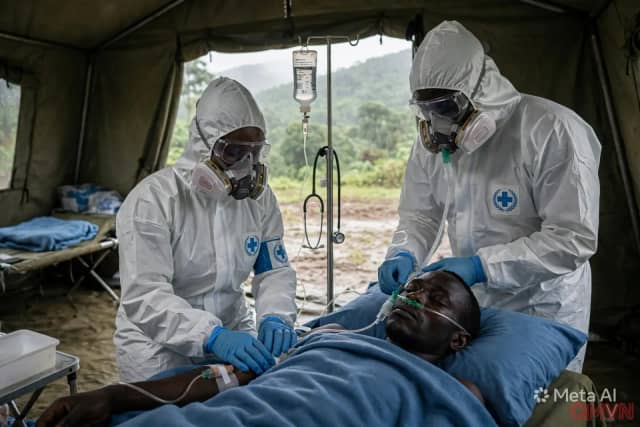
At the hospital, clinicians noted fever, chills, fatigue, muscle pain, a sore throat and bleeding beneath the skin around injection sites. He was isolated, tested positive for Bundibugyo Ebola and died on October 5. The case illustrates why a single airport temperature check cannot reliably exclude an infection: early symptoms can resemble other illnesses, and an individual’s condition may change during a journey.
Contact tracing puts health workers at the center
At his October 6 briefing, Health Secretary Aden Duale announced that 28 contacts, including relatives and medical staff, had been identified, while officials sought passengers and crew from the Uganda-to-Kenya flight. By October 8, the reported number of people traced had increased to 57, with 10 placed in quarantine, according to Reuters and AP. These are contact counts, not 57 additional infections.