MAIN STORY
One table, three different priorities
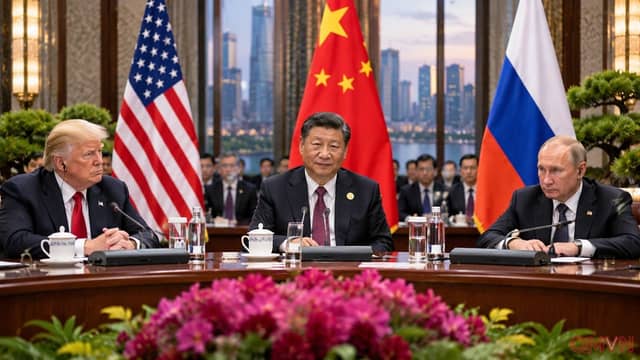
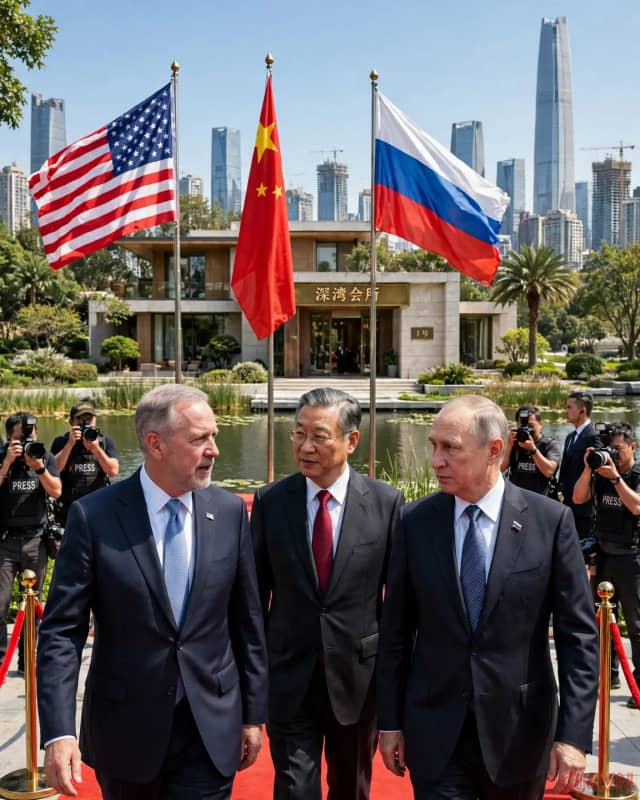
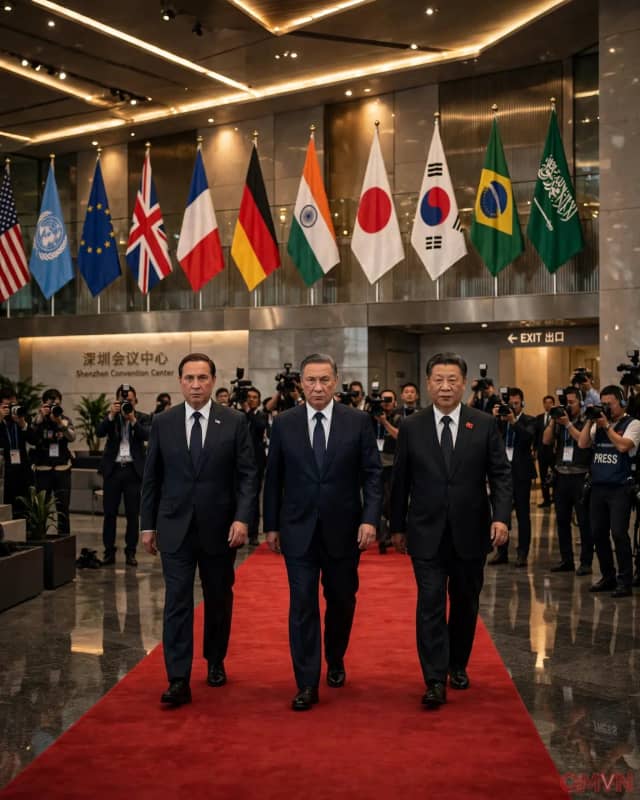
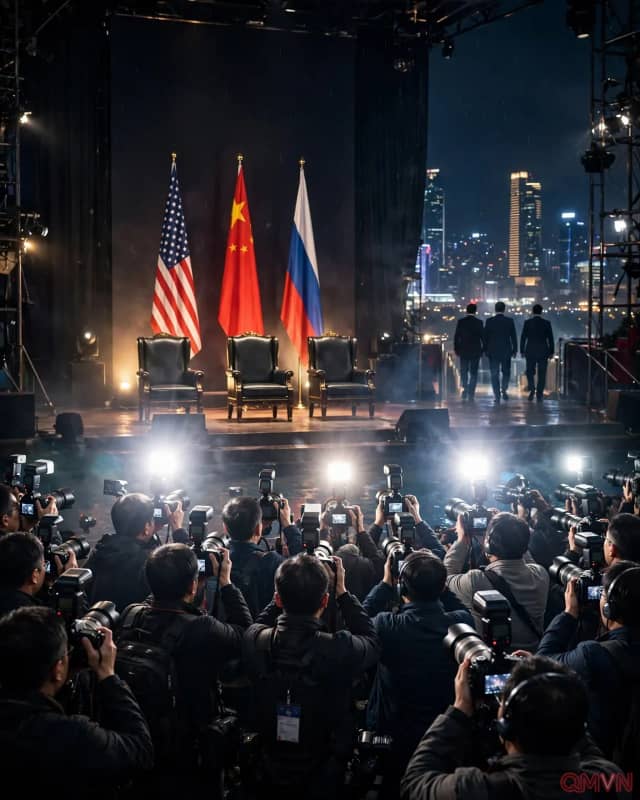
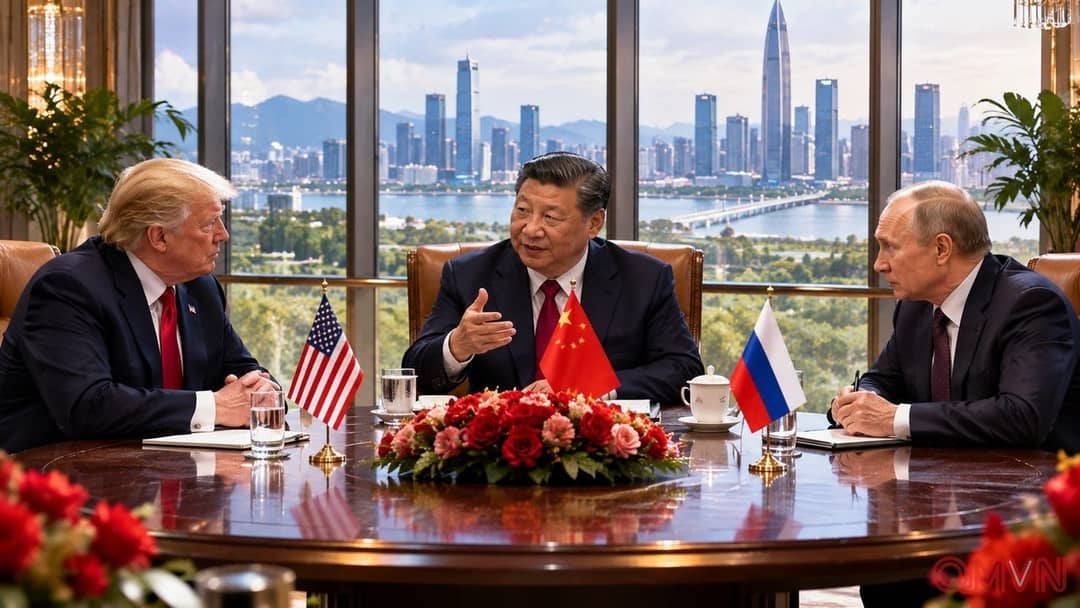
The planned Thursday meeting would be a first in its particular format: the sitting leaders of the United States, China and Russia speaking together in one trilateral session. Accounts from the Associated Press and CBS, drawing on official statements, indicate that Trump will also hold a separate meeting with Xi earlier that day. All three presidents have reasons to attend, but they do not share an identical definition of success. That mismatch is likely to shape both the discussions and the expectations surrounding them.
Washington sees a possible opening for a new conversation on nuclear restraint. Beijing can showcase its position as host of a major Asia-Pacific economic summit and advocate an image of diplomatic stability. Moscow gains an opportunity to engage publicly with the leaders of its two most consequential geopolitical counterparts. These incentives may be sufficient to bring the parties together without producing binding commitments, particularly when their disagreements extend well beyond the subjects formally raised in the room.
Nuclear arms control faces a structural obstacle
For decades, bilateral US-Russian treaties offered imperfect but valuable limits and verification procedures between the largest nuclear powers. The last such framework expired in February 2026, increasing pressure to consider what could replace it. Trump wants China included in a new arrangement, according to US officials.