The E-7-2 visa has yet to deliver
The E-7-2 visa allows foreign graduates of Korean colleges and universities with a caregiver certificate and Korean proficiency of at least Level 3 to work at residential elderly care facilities. No visas were issued in 2024, 18 in 2025 and another 23 from January to September this year.
All 41 holders have stayed at the facilities where they started, and 11 have been granted extensions. However, the visa limits holders to residential facilities and bars them from home-visit care providers, a restriction Ahn said could make the jobs less attractive.
At the end of 2025, 7,623 foreign workers were employed at long-term care institutions, most of them at home-visit providers. Notably, 71.3 percent of foreign nationals with caregiver qualifications, 18,973 out of 26,596, had no recorded employment. Some facilities have reportedly turned away prospective residents because of staff shortages.
Robots and young people as a new answer?
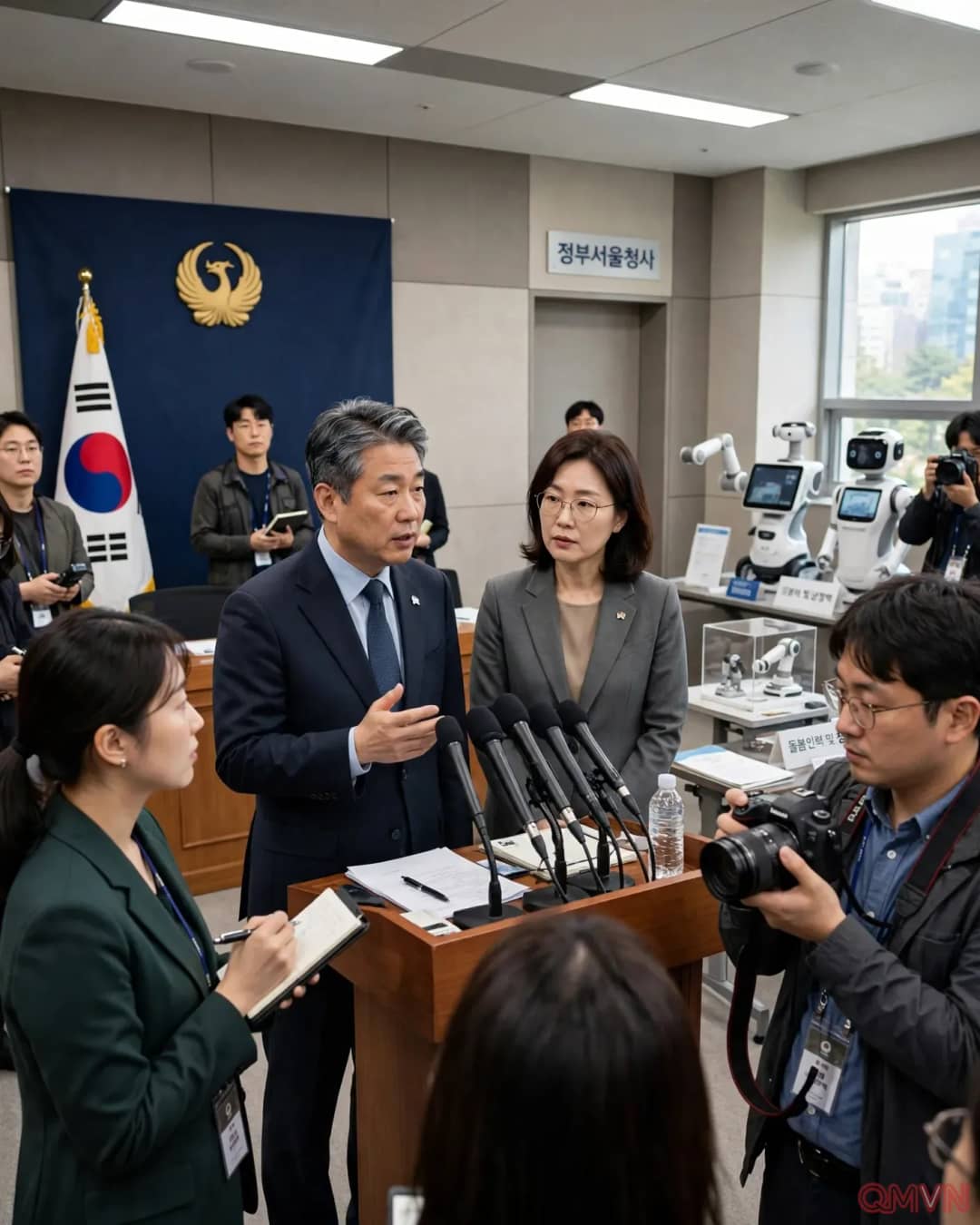
Because demanding working conditions are often cited for the lack of applicants, many care facilities are interested in robots that assist with exercise, toileting, communication and mobility. In a 2025 Korea Development Institute (KDI) survey of 330 facilities with at least 80 residents, 89.1 percent saw a need for care robots and 51.8 percent would consider them with financial support, but only 6.4 percent had introduced them.