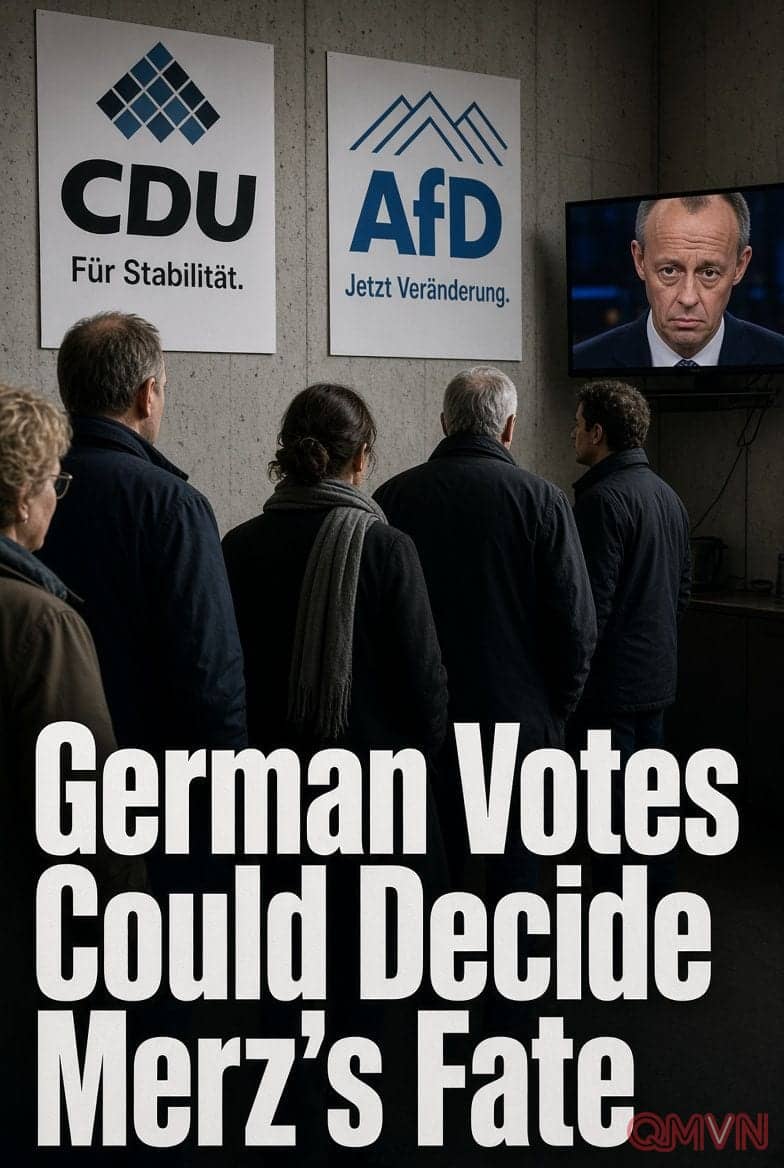
A Critical Democratic Trial Across Two Vital States
The domestic political landscape across Germany has grown remarkably strained as polling stations throughout the capital Berlin and the state of Mecklenburg-Vorpommern reflect intense electoral polarization. Within Berlin, the incumbent conservative alliance finds itself locked in a ferocious contest against the left-wing Die Linke to preserve municipal authority. Meanwhile, in Mecklenburg-Vorpommern along the Baltic coast, projections indicate that the conservative CDU hovers around six percent of the vote, dangerously close to the statutory five percent threshold required to retain parliamentary representation.
This precipitous downturn highlights how traditional voters have steadily lost confidence in the grand economic revival promised by the ruling coalition. When ordinary citizens face diminishing real income and rising living expenses, collective patience for distant technocratic justifications quickly dissipates.
Grassroots Discontent and the Crisis of Political Empathy
The primary catalyst accelerating the surge of protest parties stems directly from a pervasive sentiment of abandonment among regular working families. In eastern industrial hubs such as Neubrandenburg, skepticism regarding the traditional political establishment has spread with remarkable speed and intensity.