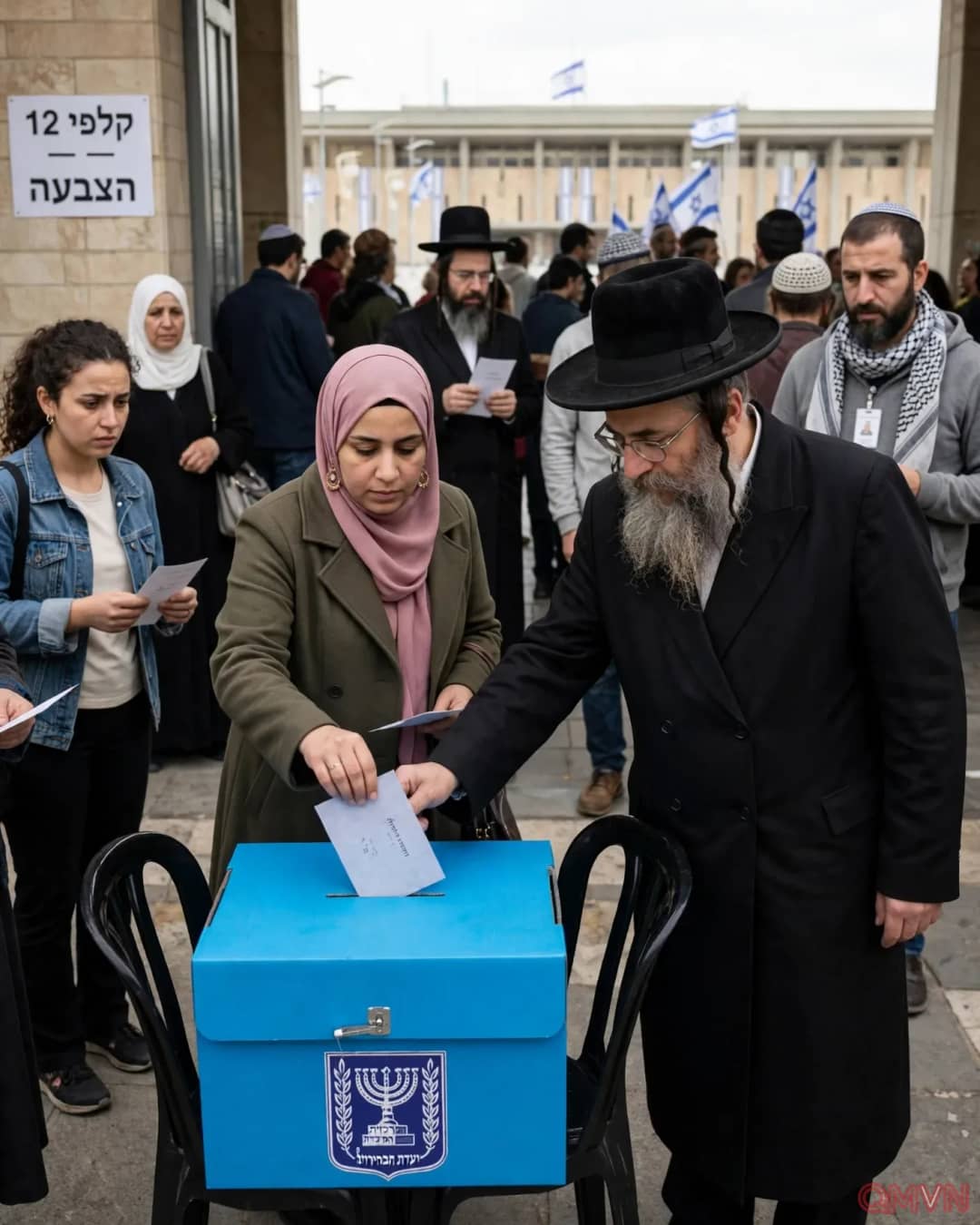
An unusual electoral system
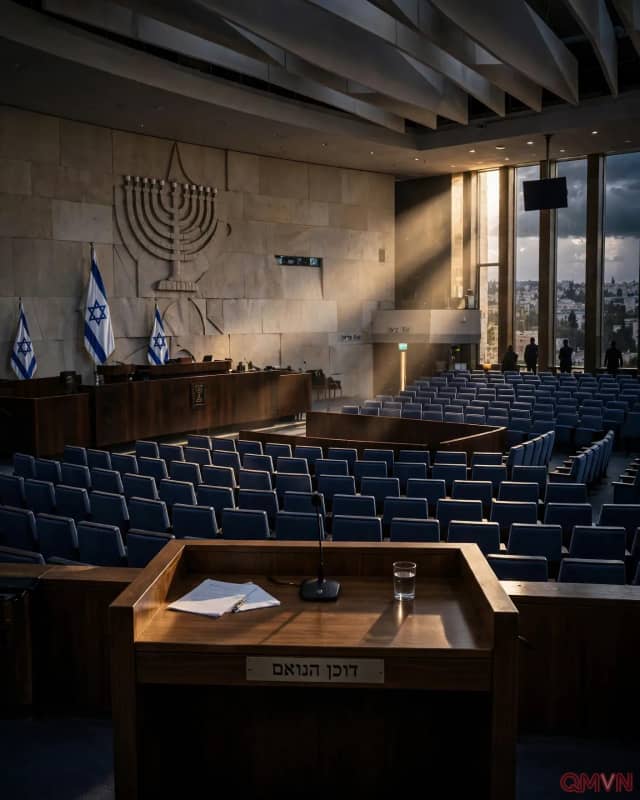
Like Britain, Canada and Germany, Israel is a parliamentary democracy: voters elect parliament rather than directly choosing the prime minister. Israel uses proportional representation, but unusually it has no geographic districts – the whole country is a single constituency, and voters choose a party list rather than individual candidates. Key features include:
- Parties must win at least 3.25% of valid votes, about four seats, to enter the 120-seat Knesset; votes for parties below the threshold are excluded from seat allocation.
- The number of votes per seat depends on turnout; in 2022, each seat required about 36,000 votes.
- Surplus-vote agreements between parties can affect the final seats.
The system makes it relatively easy for small parties representing distinct political, religious or ethnic groups to win seats, making the Knesset one of the most fragmented parliaments in the developed world.
Election Day
According to the Central Elections Committee, more than 12,000 polling stations with some 18,000 ballot boxes have been prepared, overseen by about 100,000 workers. Key points to know: