MAIN ARTICLE
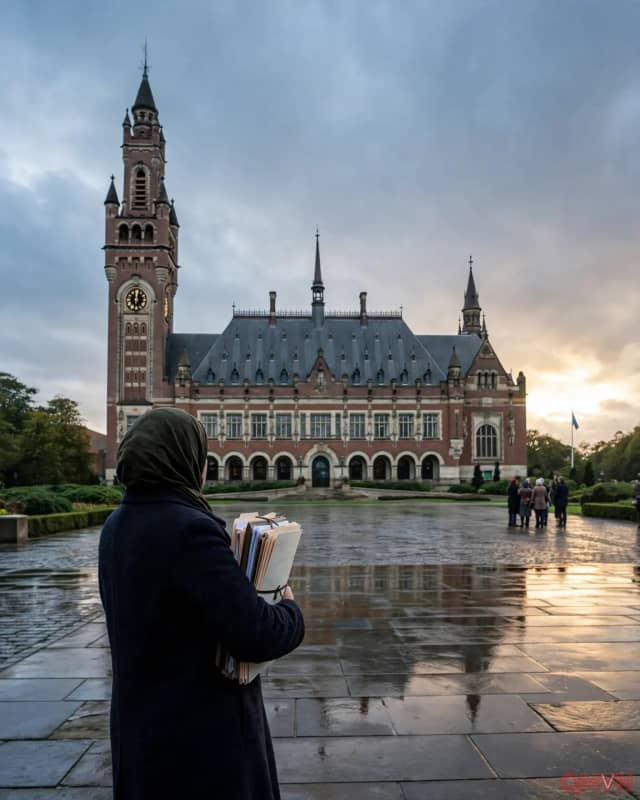
From Bangladesh’s camps to a courtroom in The Hague
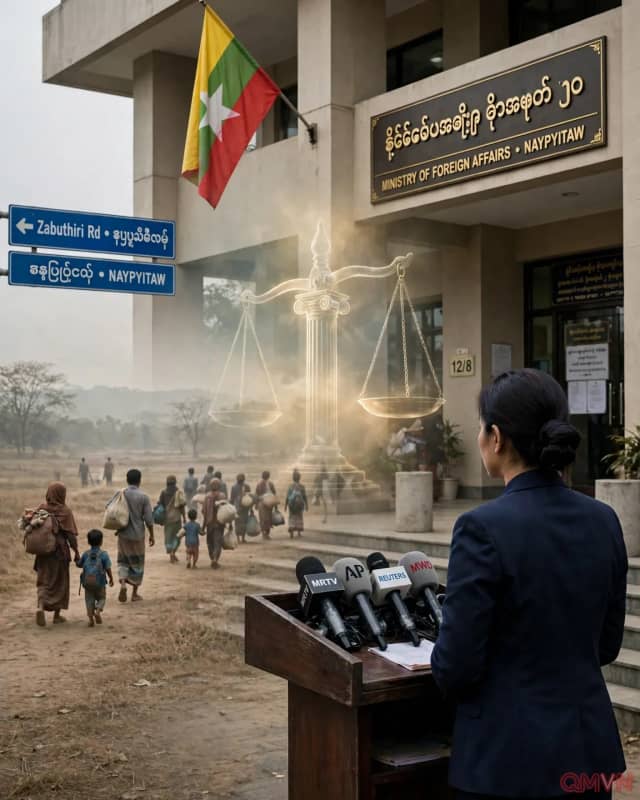
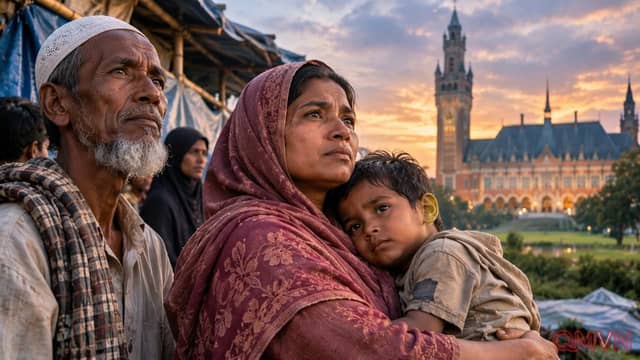
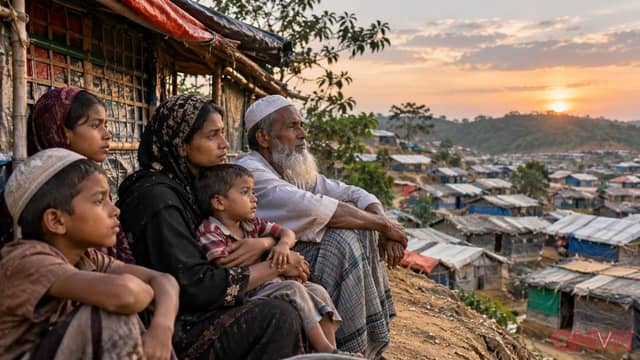
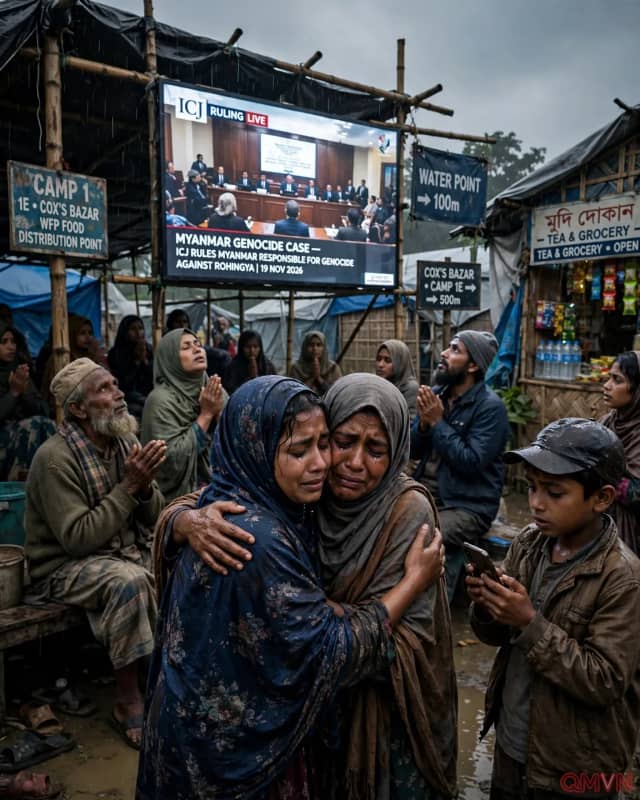
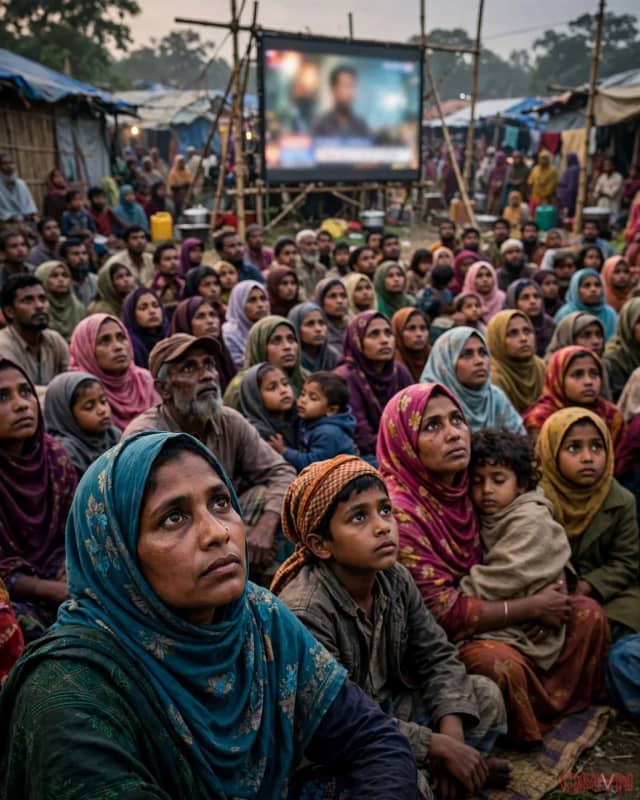
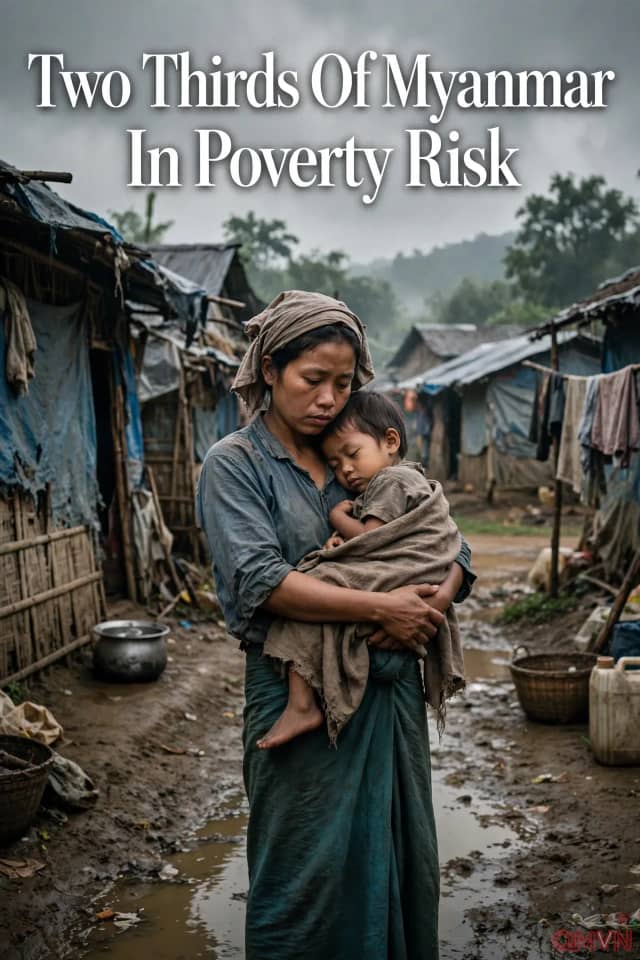
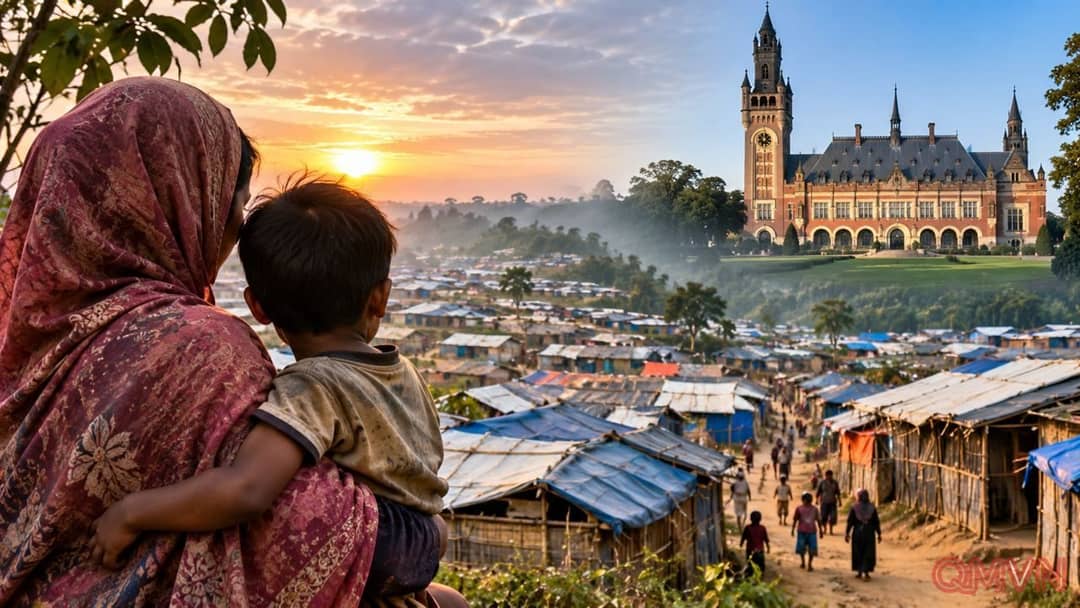
For Rohingya families, an international legal case begins with deeply personal memories: homes burned, relatives missing and journeys across the border made in fear. At least 730,000 Rohingya fled Myanmar after the 2017 military campaign, according to Reuters. Including earlier waves of displacement, an estimated 1.2 million now live in and around the vast Cox’s Bazar settlement. Years of uncertainty have made questions of safety, legal status and children’s futures as urgent as any argument presented to the judges.
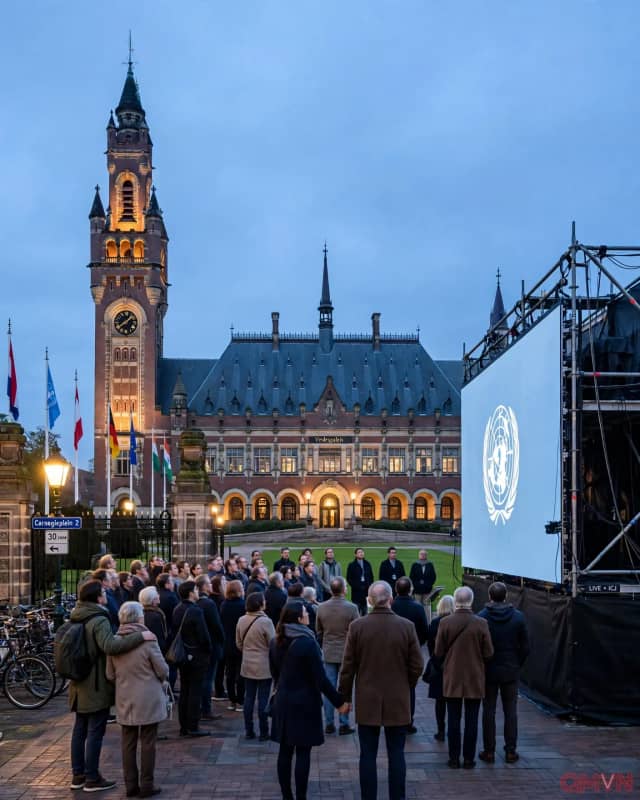
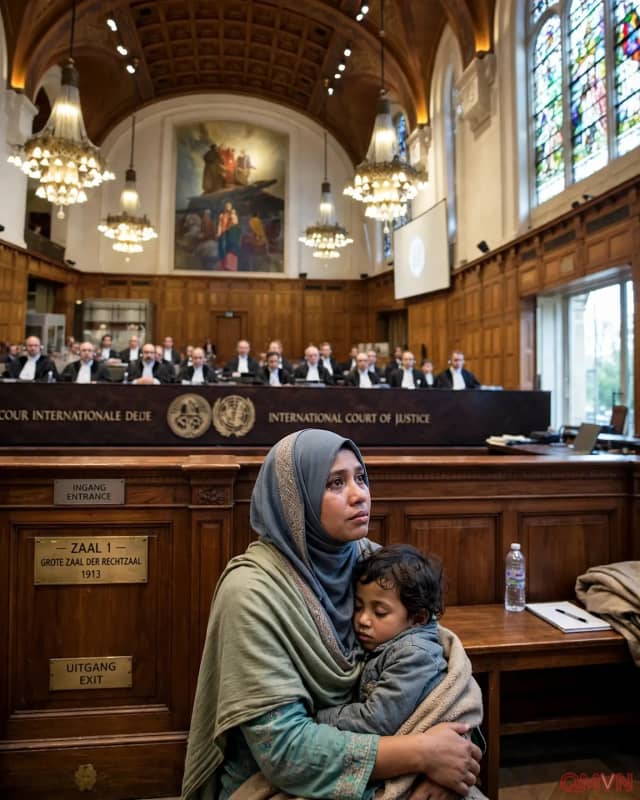
The Gambia, a West African state, brought the case in November 2019 under the 1948 Convention on the Prevention and Punishment of the Crime of Genocide. It is asking the court to consider Myanmar’s obligations as a state rather than to prosecute an individual commander. Accounts of killings, sexual violence and the destruction of villages, alongside international investigative records, form part of the legal dispute. Myanmar rejects the allegation of genocide, maintaining that its security forces were responding to attacks by armed groups.
Why proving genocide is unusually difficult
International law draws an important distinction between grave atrocities and genocide as a defined legal offense. Under the Convention, genocide requires proof of an intent to destroy, in whole or in part, a national, ethnic, racial or religious group.