MAIN CONTENT
An urgent warning, but unequal exposure
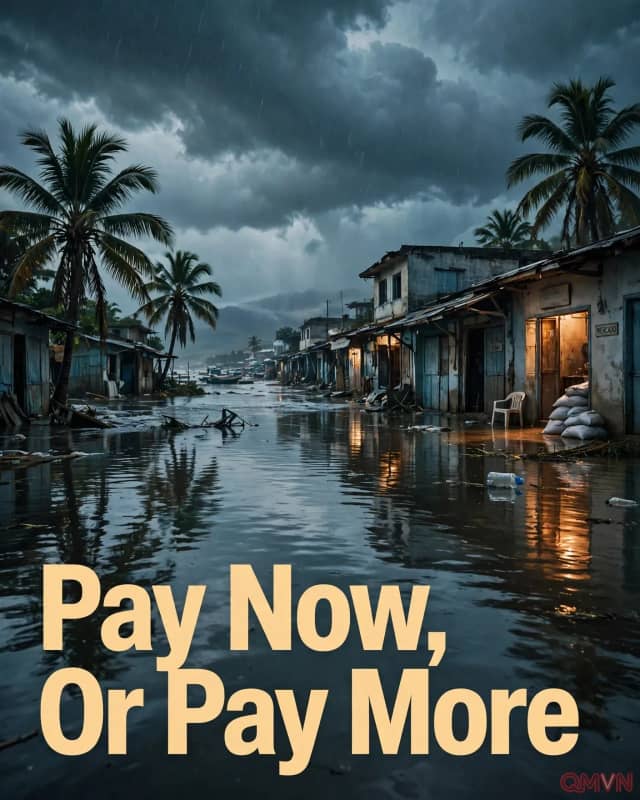
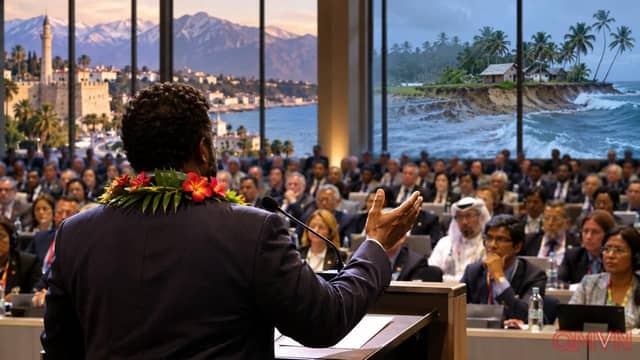
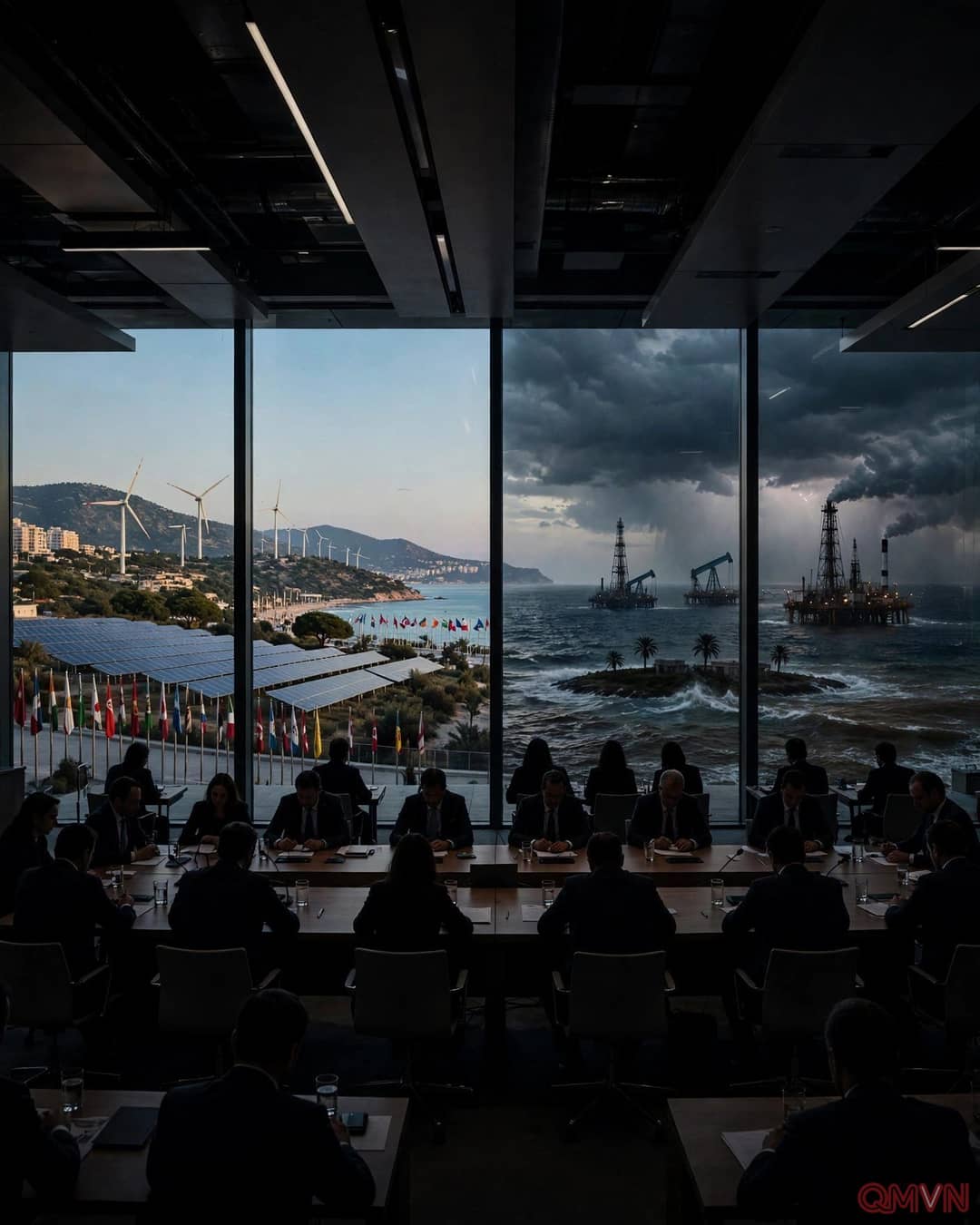
The first fault line is vulnerability. Leaders from small island states, including Saint Lucia, Tuvalu, the Bahamas and the Solomon Islands, described the consequences of rising seas and extreme weather as immediate national concerns. For communities whose homes, drinking water and coastal livelihoods are at risk, a delayed emissions cut is not merely a future accounting problem. Saint Lucia’s Prime Minister Philip J. Pierre urged major emitters to move beyond familiar promises and deliver reductions commensurate with the crisis.
Their appeal comes against the increasingly narrow margin for keeping global warming near the Paris Agreement’s 1.5°C ambition. Reports discussed around the summit have reinforced the warning that existing policies and pledges remain insufficient. There is an important distinction between temporarily crossing a warming threshold and establishing a long-term average above it, yet either possibility underscores how little room remains for further delay. The scientific signal is global; the damage, however, is distributed unequally.
Electricity offers a bridge, not a shortcut
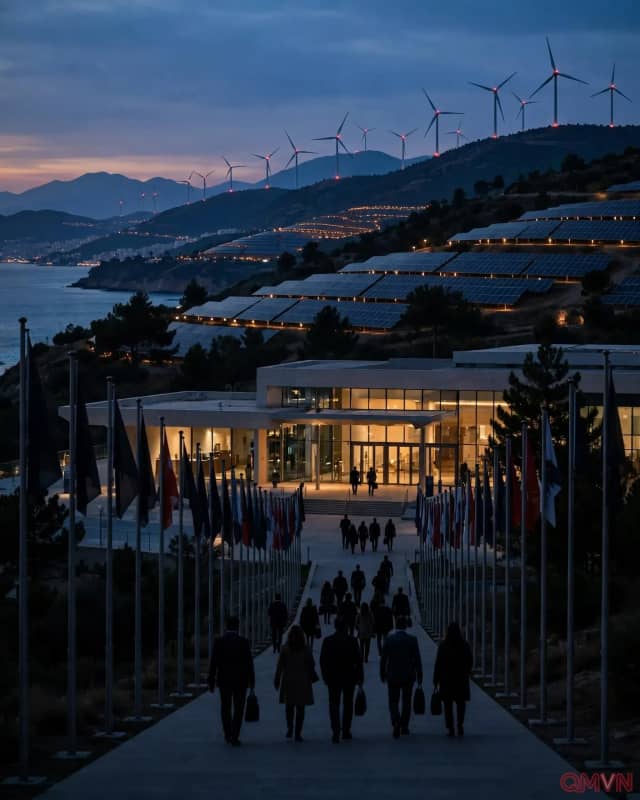
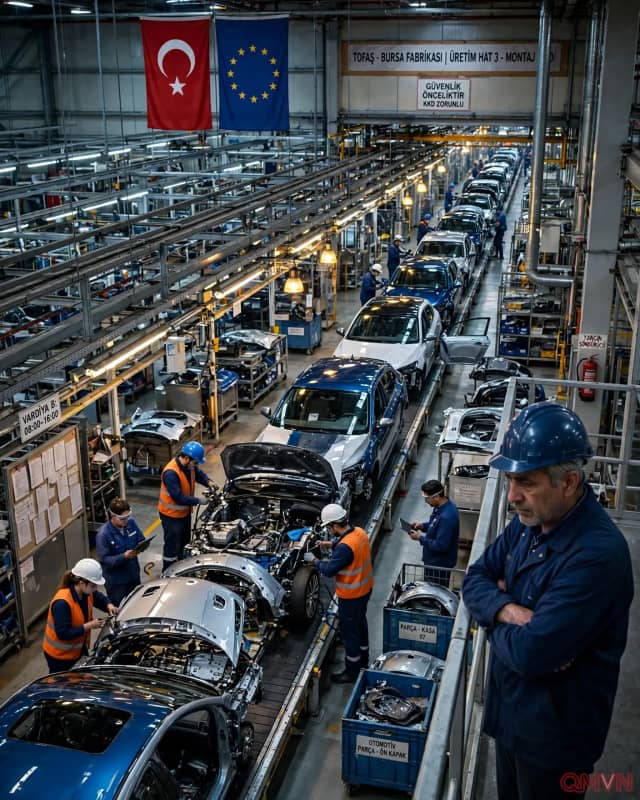
The Turkish presidency has elevated an initiative often called “35 by 35”: increasing electricity’s share of global final energy consumption from roughly 23% today to 35% by 2035. Electric vehicles, heat pumps and cleaner industrial processes could displace direct burning of coal, oil and gas.