MAIN CONTENT
A verdict that names the crime
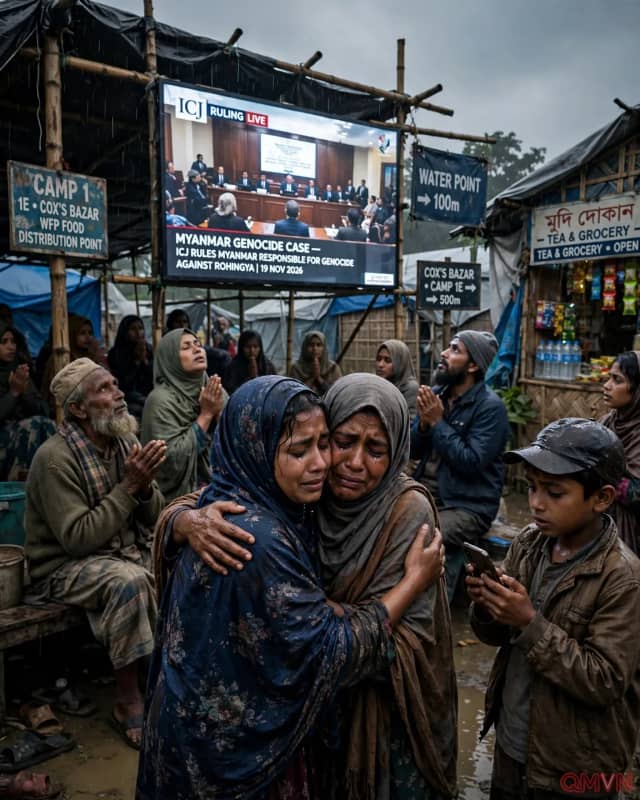
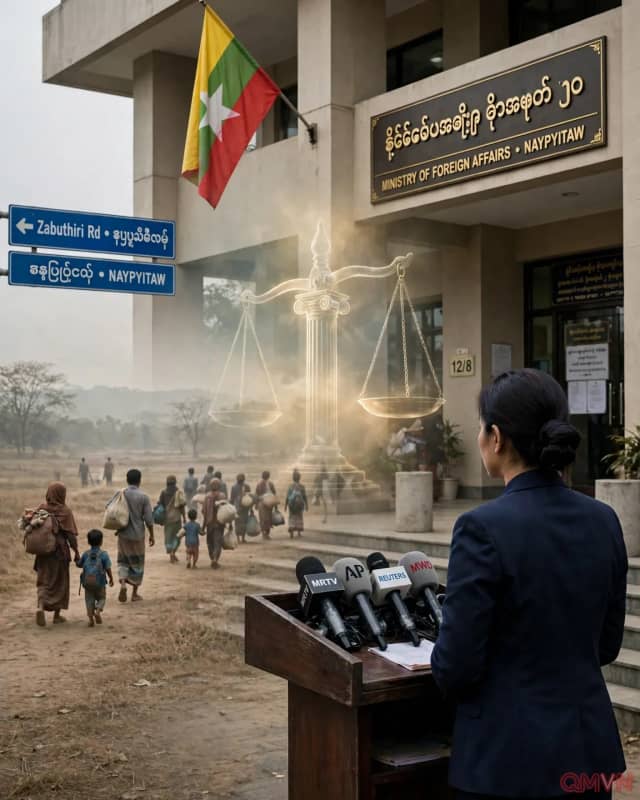
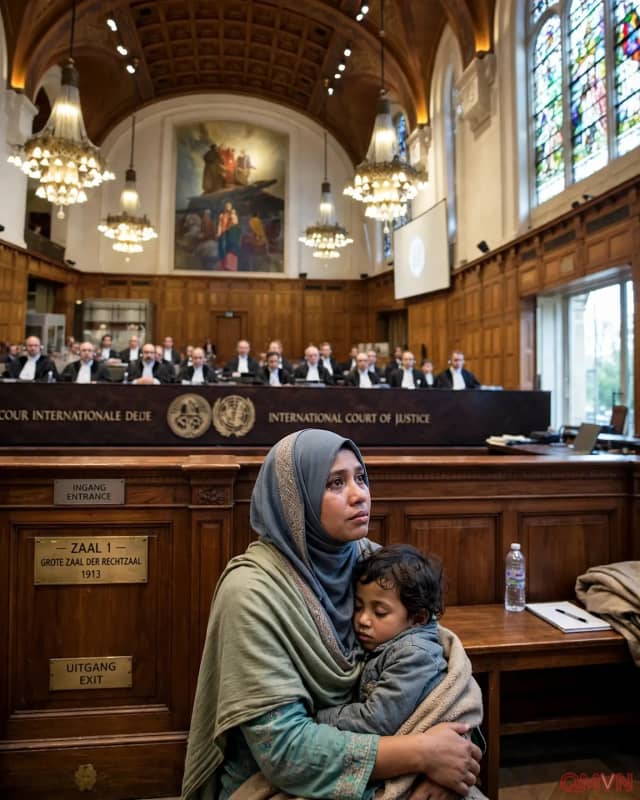
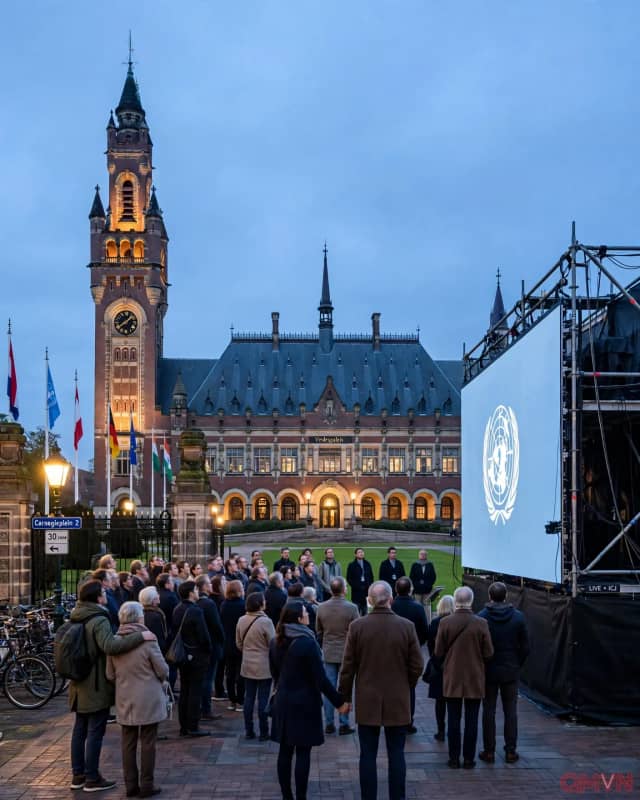
The International Court of Justice concluded that Myanmar breached the Genocide Convention through atrocities committed against the Rohingya during the 2017 military operations in northern Rakhine State. Accounts examined in the proceedings described killings, sexual violence, the destruction of communities and attacks on people attempting to escape. The judgment marks a significant distinction: it addresses the responsibility of the state, rather than deciding the guilt of particular soldiers or political leaders.
The ruling follows years in which Myanmar disputed the genocide accusation, maintaining that its security operations responded to insurgent attacks. The court nonetheless determined that the evidence supported a finding of genocidal intent. The distinction between security claims and prohibited conduct matters: governments cannot escape obligations under the convention merely by invoking an armed threat. The judgment is binding, although international enforcement remains politically difficult. (Sources: ICJ; Reuters; AP, November 19, 2026.)
For survivors, recognition is a beginning
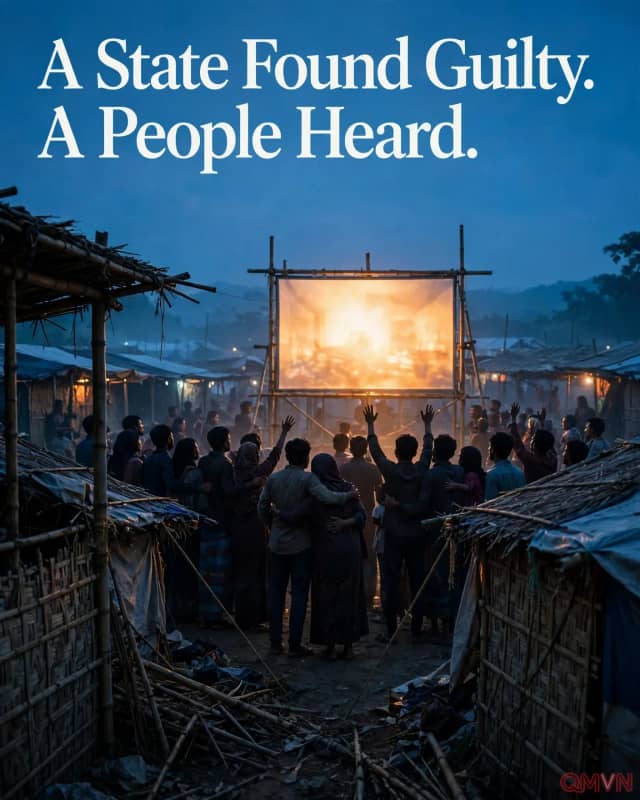
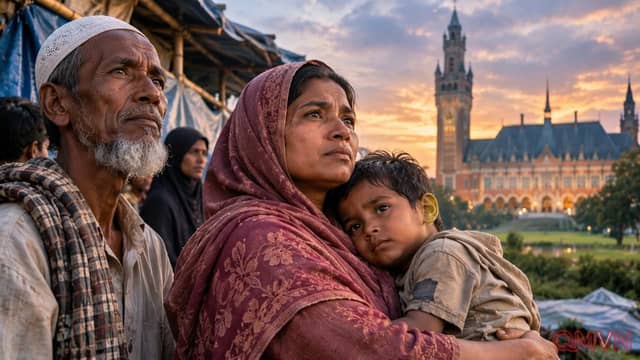
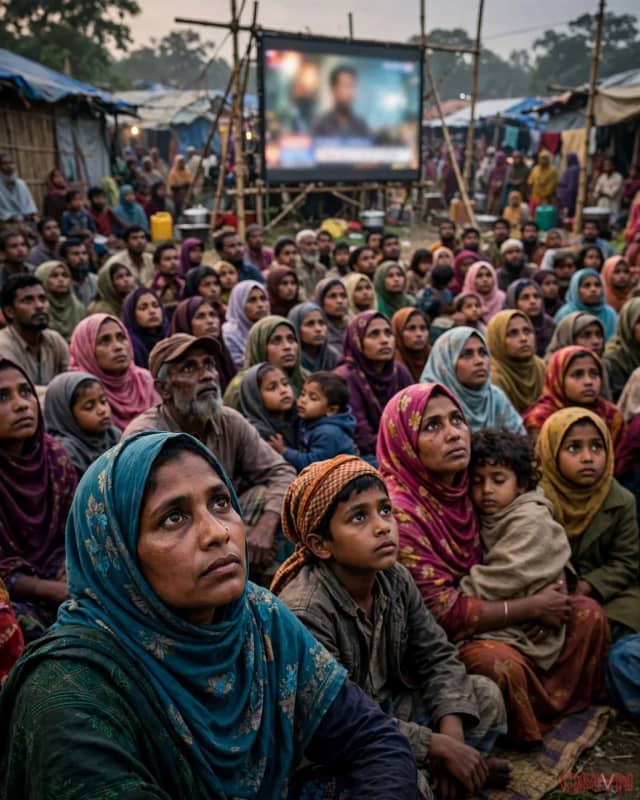
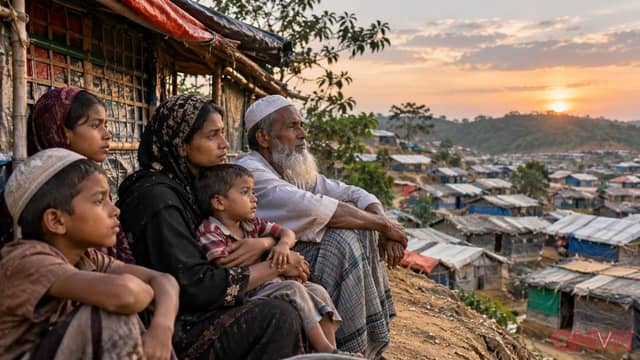
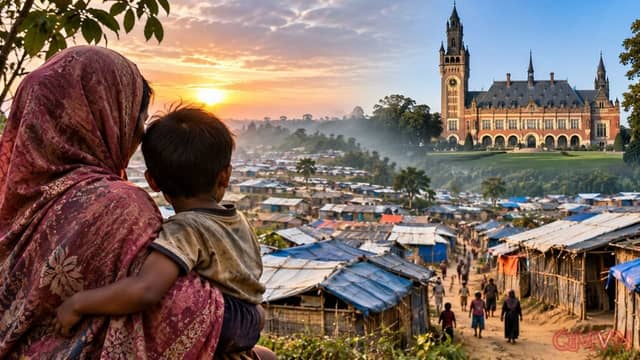
For Rohingya survivors, the decision carries an emotional weight that legal terminology alone cannot express. Activist Yasmin Ullah, a survivor who joined The Gambia’s delegation, described it as a day of justice: the world’s highest court had finally identified what happened to her community.