MAIN ARTICLE
One letter, two negotiations
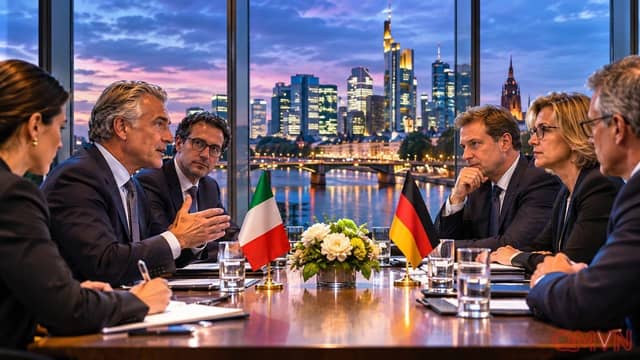
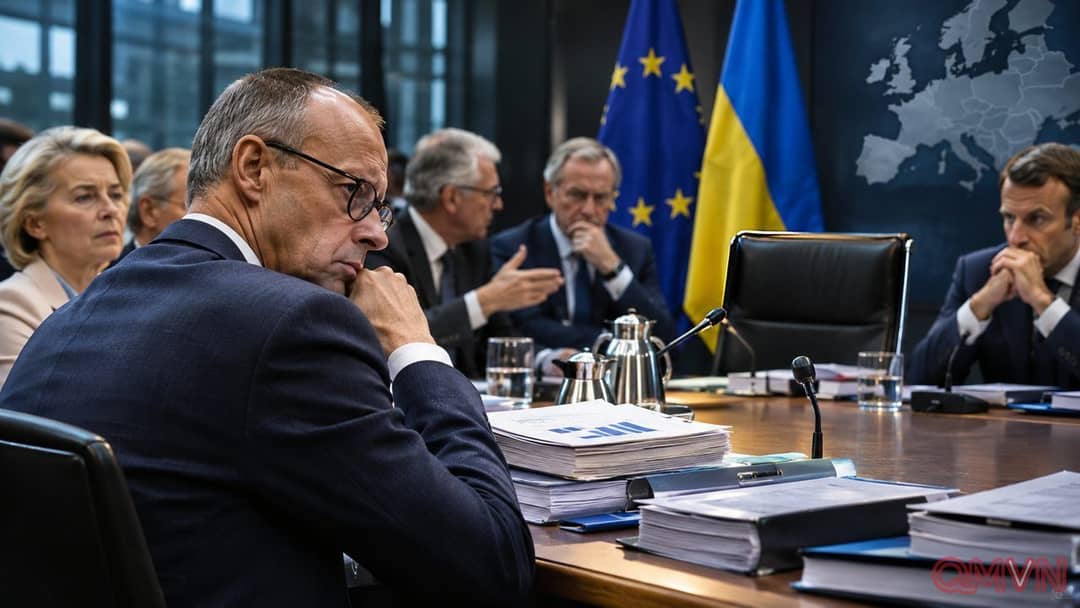
In a November 9 letter to European Council President António Costa, Merz pressed for a fair contribution from every EU member to Ukraine’s financial needs. According to the Financial Times and Euronews, he indicated that Germany would not readily approve the next seven-year EU budget without a collective pledge. That is a German negotiating position, not an EU decision. Berlin has leverage because Germany is the bloc’s largest net contributor to its common budget.
The two files operate on different timetables. The immediate challenge is funding Kyiv in 2027 as defence spending and the cost of maintaining public services mount. The 2028–2034 multiannual budget, by contrast, covers agriculture, regional development, research, borders and other priorities across the union. Linking the questions raises pressure but also allows a dispute in one negotiation to hold concessions in the other hostage.
Berlin’s security argument has weight: a Ukraine unable to pay salaries, repair electricity systems or maintain its defences will struggle to withstand Russia’s campaign. Yet shared solidarity does not necessarily require identical financial instruments for every member state. Who pays, how the money is raised, and who assumes future liabilities remain the divisions between European capitals.