MAIN STORY
A problem hidden beneath the familiar web
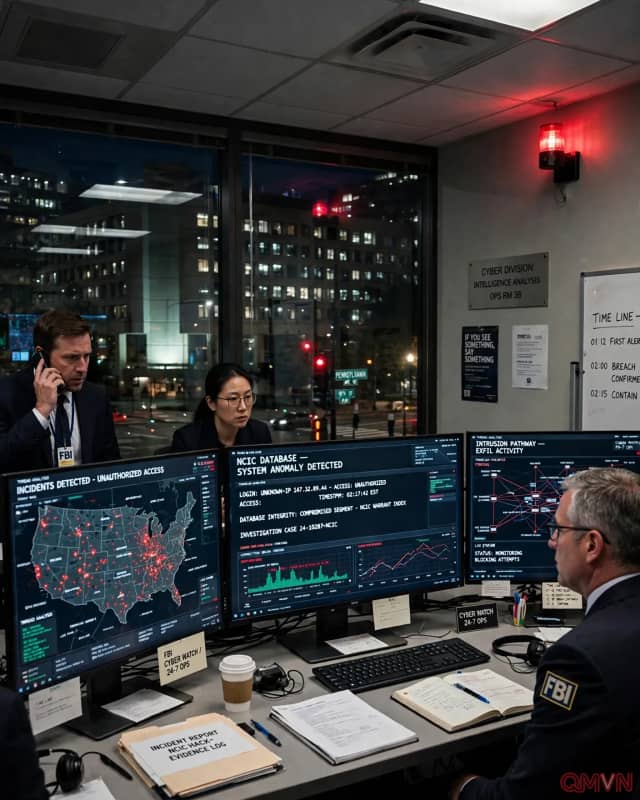
PHP is a server-side programming language widely used to produce dynamic websites. Visitors rarely see it, so a defect in this shared foundation may affect very different services while their pages still appear normal. In an October 21 advisory, the U.S. National Security Agency (NSA) warned that vulnerabilities it called PHP2Shell could allow intruders to take control of affected web servers without first authenticating.
Possible consequences include stolen data, service disruption and lateral movement through an organization's network. These are potential outcomes, not proof that every PHP website has been breached. PHP developers released patches on October 21, and the NSA urged operators to prioritize updates and look for indications of compromise.
1. Add more than one lock to every important account
Even a strong password can leak through a third-party incident or be captured by a convincing login scam. Multifactor authentication, or MFA, makes account takeover harder by requiring another proof of identity, such as an authenticator app or physical security key. Where offered, phishing-resistant passkeys or security keys are preferable to one-time text messages.