MAIN ARTICLE
1. Miami opens a diplomatic door, not a peace agreement
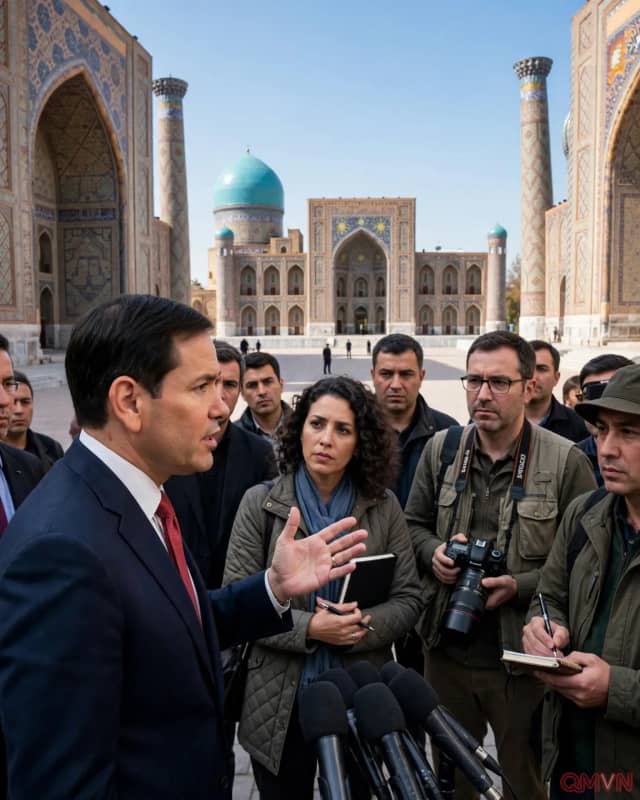
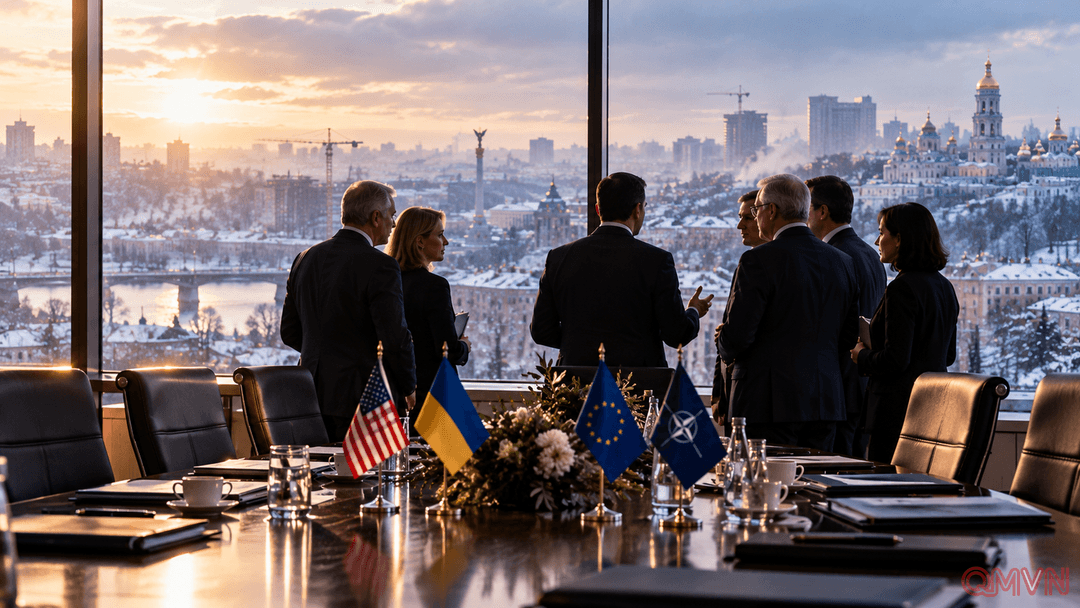
On October 9, officials from the United States, Ukraine, Britain, France, Germany, the European Commission and NATO gathered in Miami to explore new ways through the impasse. Steve Witkoff said the discussions identified possible paths to de-escalation ahead of winter and subjects for Washington’s next engagement with Russia. Crucially, Moscow did not participate: this was coordination among Ukraine and its partners, not direct U.S.-Russia-Ukraine negotiations.
That distinction prevents optimism from turning into a premature claim of success. Reuters and AFP reported that Witkoff and Jared Kushner were involved in the renewed diplomatic push, aimed at developing proposals that Ukraine, European allies and eventually Russia might consider. A productive meeting can prepare the ground, but it cannot by itself demonstrate agreement between belligerents.
2. Winter brings energy and food security to the front
The Miami agenda extended far beyond borders on a map. Keeping homes heated, power systems operating and grain moving through export routes are immediate humanitarian concerns.