MAIN STORY
A count that changed direction over the evening
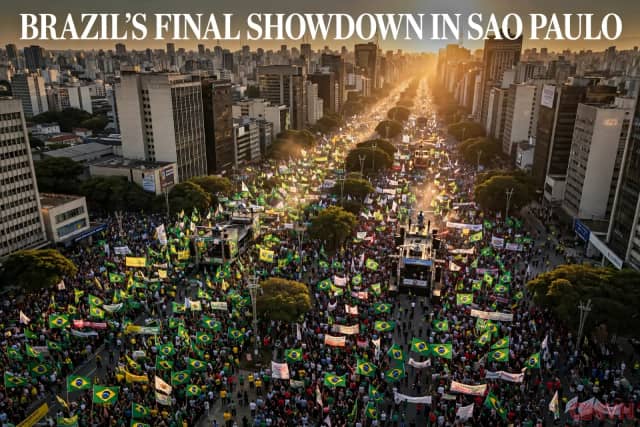
Sunday's unfolding count produced a shifting electoral map. Lula led at the outset, then fell behind as Flávio Bolsonaro moved ahead. Around 8:30 p.m. in Brasília, when approximately half the votes had been counted, Lula regained the lead. Reuters reported a split of 51.21% to 48.79% once more than 78% of ballots were counted, and Datafolha projected his victory. Crucially, an election projection derived from counting data is different from final legal certification of an outcome.
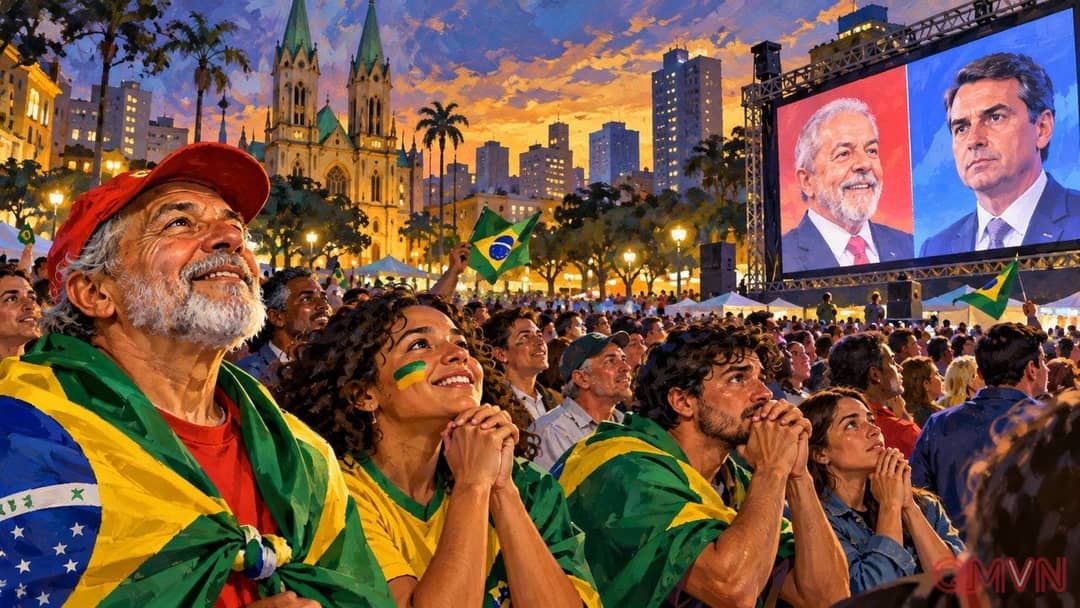
The changing picture reflected Brazil's political geography. Conservative candidates often appear stronger in early returns, while left-wing candidates gain ground when results from the populous, poorer Northeast arrive. In a close election, the order in which districts report can create momentary leads that say little about the eventual winner. Celebrations among campaign supporters, however understandable, do not replace the authoritative totals published by the TSE.
Turnout and competing visions for Brazil
AtlasIntel chief executive Andrei Roman also told Reuters that he expected Lula to be reelected. Analysts suggested turnout above expectations may have favored the president. That assessment mattered because some surveys shortly before the runoff showed Flávio Bolsonaro with a slight advantage.