MAIN CONTENT
An inquiry with important boundaries
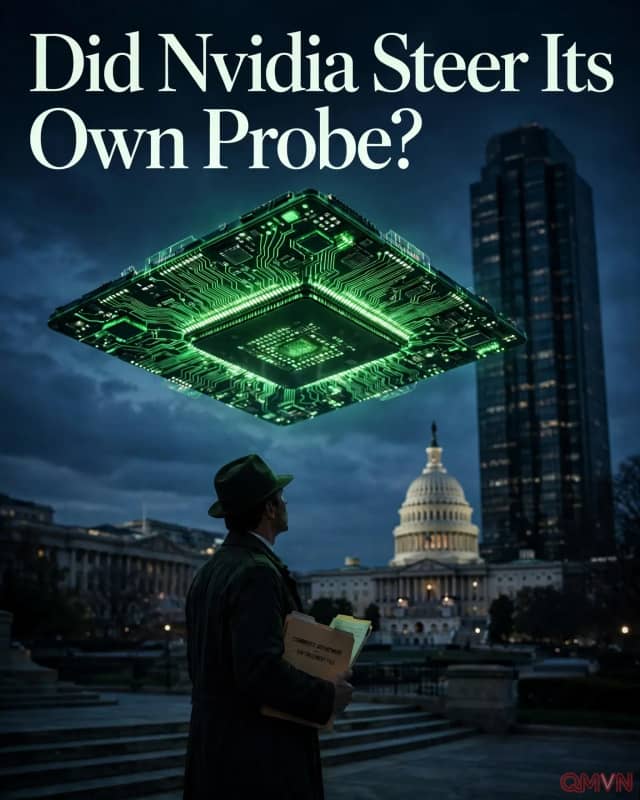
Nvidia’s board announced on November 8 that independent directors, supported by outside counsel, would oversee a review of the allegations. It emphasized that national and economic security were essential to the company’s interests. The announcement did not establish that Huang disclosed confidential information, violated export rules or engaged in espionage. An investigation is a process for establishing facts, not a verdict.
The case involves unusually sensitive questions because Nvidia’s advanced chips underpin data centers and AI systems around the world, while Washington restricts the export of certain technologies to China. Any legitimate review must distinguish an individual’s private conduct from evidence of access to proprietary information, corporate decisions or controlled technology. Conflating those issues would risk both an unfair judgment and an incomplete inquiry.
According to separate Reuters reporting, Huang told staff that he had been unfaithful to his wife and accepted responsibility. Such an admission, however, is not proof of the reported intelligence allegation. Nvidia has said Huang supports the board’s inquiry, and its directors have reiterated their confidence in his leadership.