How Liverpool Made the Man
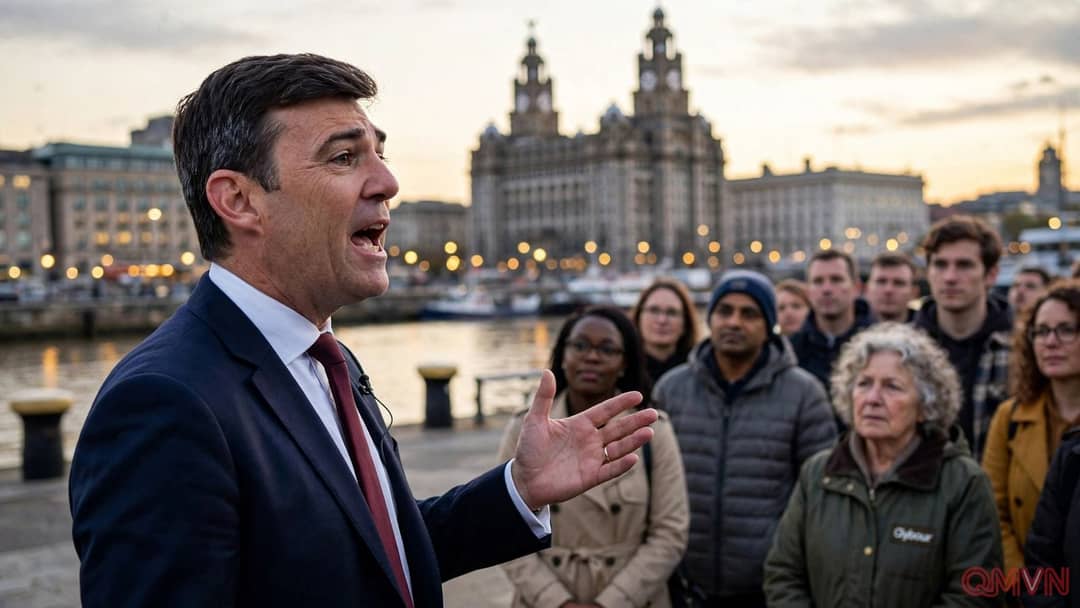
Liverpool is not just where Andy Burnham was born on 7 January 1970, it is his political identity. His parents Roy and Eileen, Archbishop Derek Worlock whose faith spoke for the city's poor, Everton players like Bob Latchford and Peter Reid, Alan Bleasdale's Boys from the Blackstuff, and figures like Derek Hatton, Neil Kinnock and Michael Heseltine created an urban morality play in the Thatcher era. While Manchester was remembered for Chief Constable James Anderton with a baton, Liverpool was the city that dared to fight, where people still believed in football, in the Pope and in themselves when the docks silted up and big ships moved to Hull and Tilbury.
The transformative moment is said to have come at Anfield in the late 2000s, when Burnham, then a young Blairite politician, was booed by the Kop during the 20th anniversary of the Hillsborough disaster. The shame and disgust at machine politics awoke what would become British politics' leading empath. From then on he was no longer just a manager, but a street campaigner.
From Manchester to Downing Street: The Journey of the King of the North
Burnham's career is well documented: he joined Labour at 15, studied English at Cambridge, was first elected to Parliament in 2001 for Leigh, and held several cabinet posts under Tony Blair and Gordon Brown. From 2017 to June 2026 he was Mayor of Greater Manchester, where he earned the title King of the North by bringing the bus network back under public control and overseeing Manchester becoming the fastest growing city-region in the UK.