The opening announcement
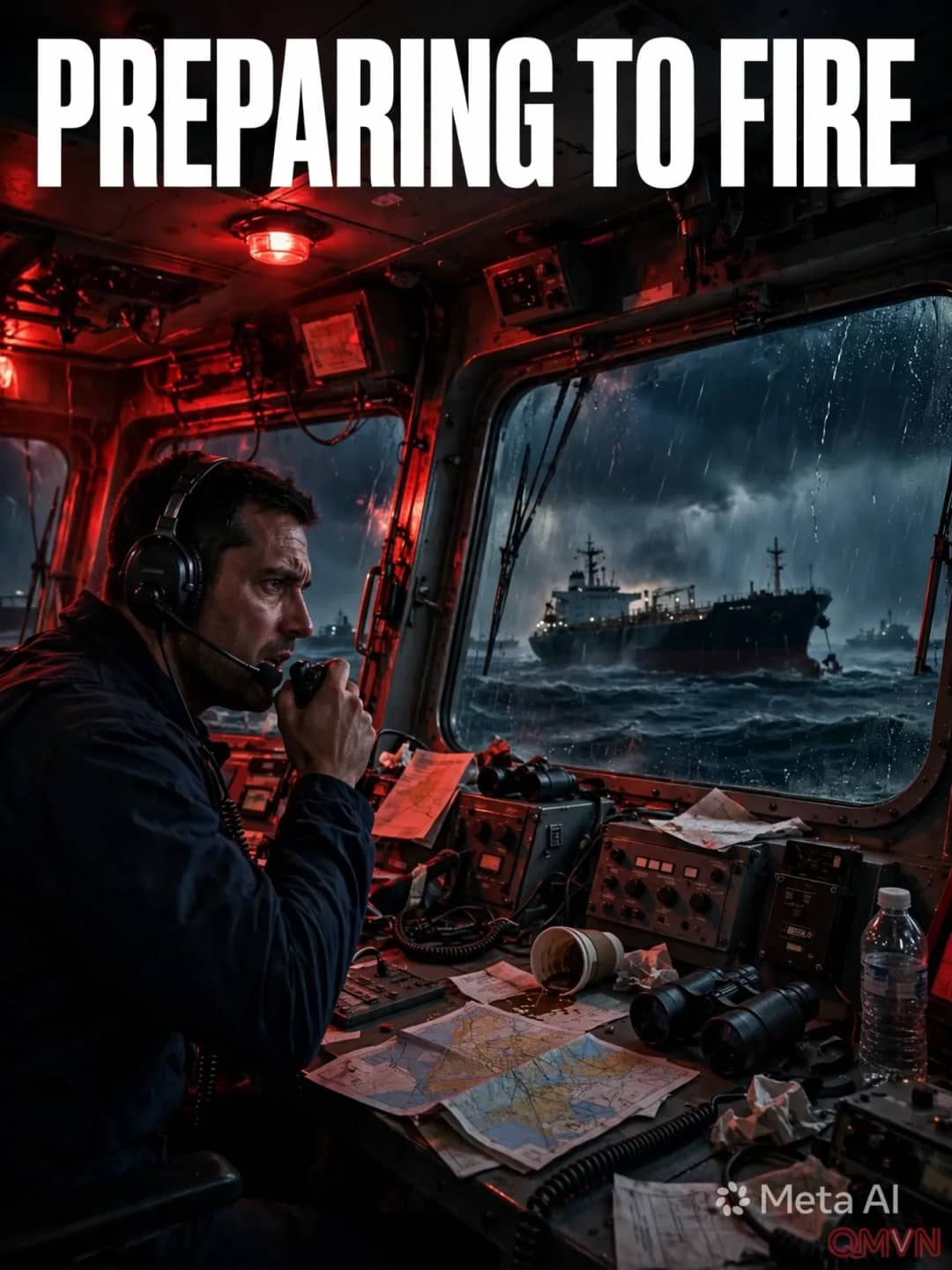
On the afternoon of April 13, seafarers in the Persian Gulf and the Gulf of Oman heard a stern broadcast over marine radio, the main tool for voice communication between ships:
“The U.S. has announced a formal blockade of Iranian ports and coastal areas.” — US Navy
It marked the start of a monthslong blockade, now in its second iteration. The US has spent billions of dollars on naval operations related to the Iran war, including keeping about 20 Navy ships in place to stop vessels suspected of calling at Iranian ports.
Caught between two forces
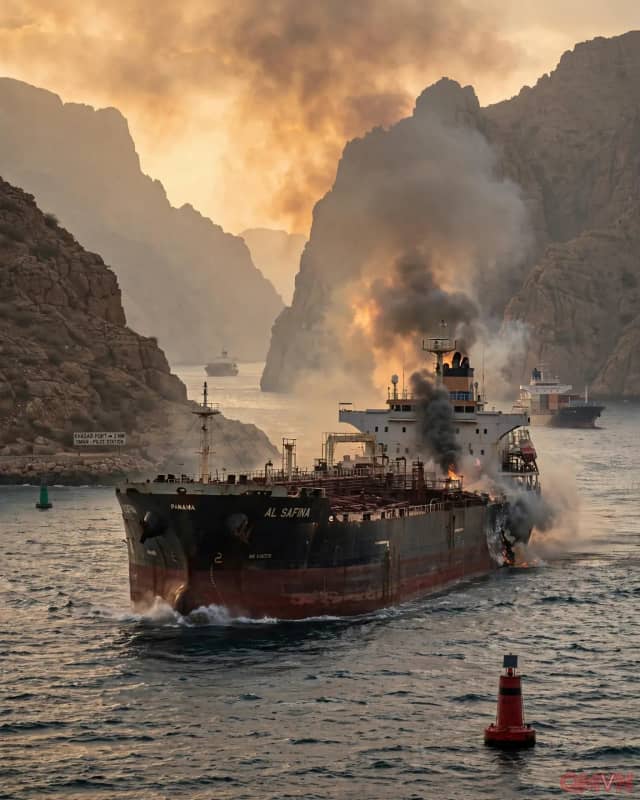
The blockade outraged Tehran, which lashed out by attacking commercial ships. The naval arm of the Islamic Revolutionary Guard Corps issued warnings to all vessels in the Persian Gulf and the Sea of Oman to assert its influence.
On April 18, the Indian-flagged supertanker Sanmar Herald, carrying two million barrels of Iraqi crude, was hit by the Iranian navy as it left the strait for India. Over the radio, nearby seafarers heard the captain’s shaking voice trying to reach the Iranian navy. No one was injured; the tanker turned back and only exited the strait in June, sailing dark.