MAIN ARTICLE
Before the ashes, a village with a history
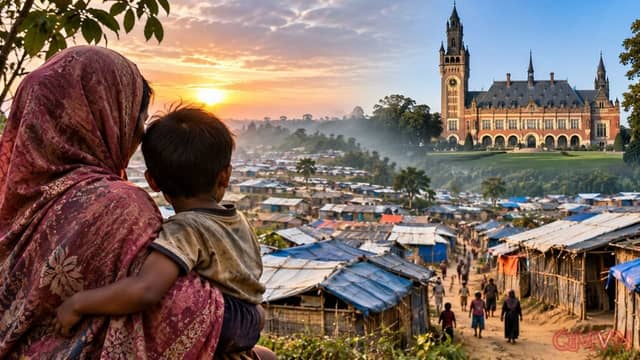
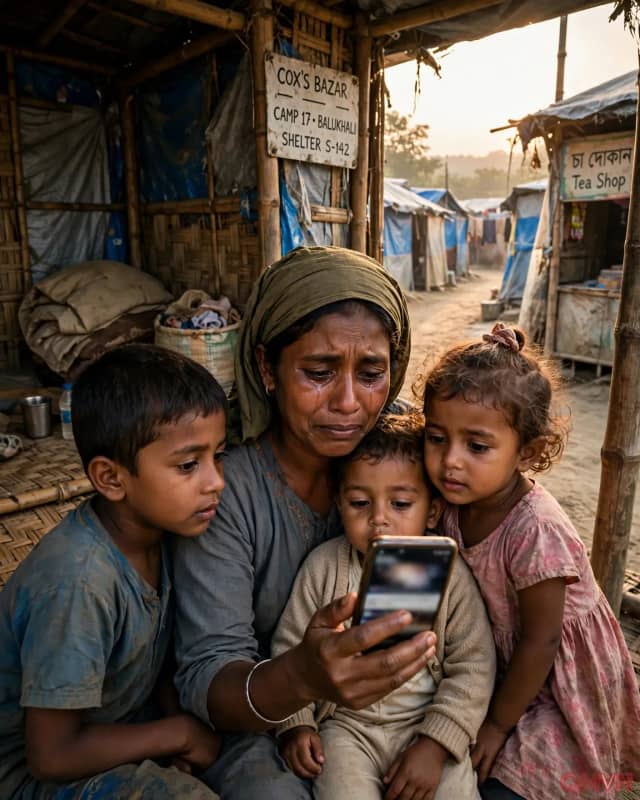
Zammona, known in Burmese as Zin Paing Nyar, was once a cluster of settlements with fields, fishponds, shops and schools. Mustafa Kamal grew up there in a family that prized education: his father taught at a government school and he became a trader. Shopkeeper Mohammed Yunus remembers serving Buddhist Rakhine customers and exchanging jokes across the counter. Those ordinary relationships complicate the idea that neighbors were always separated by insurmountable hostility. The village had a shared everyday life before politics and propaganda reshaped it.
For decades, however, Rohingya families faced growing restrictions. Deprivation of citizenship, curbs on movement, barriers to school and limits on religious life progressively constricted their future. According to interviews published by The New York Times, an official told Kamal’s daughter she could not have more than two children. Such rules were not abstract expressions of prejudice. They shaped who could study, marry, travel and imagine a secure life for the next generation.
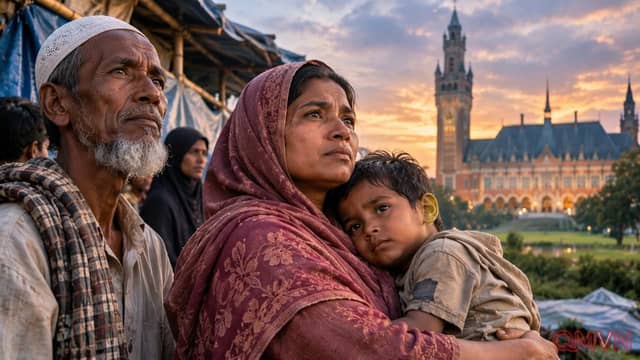
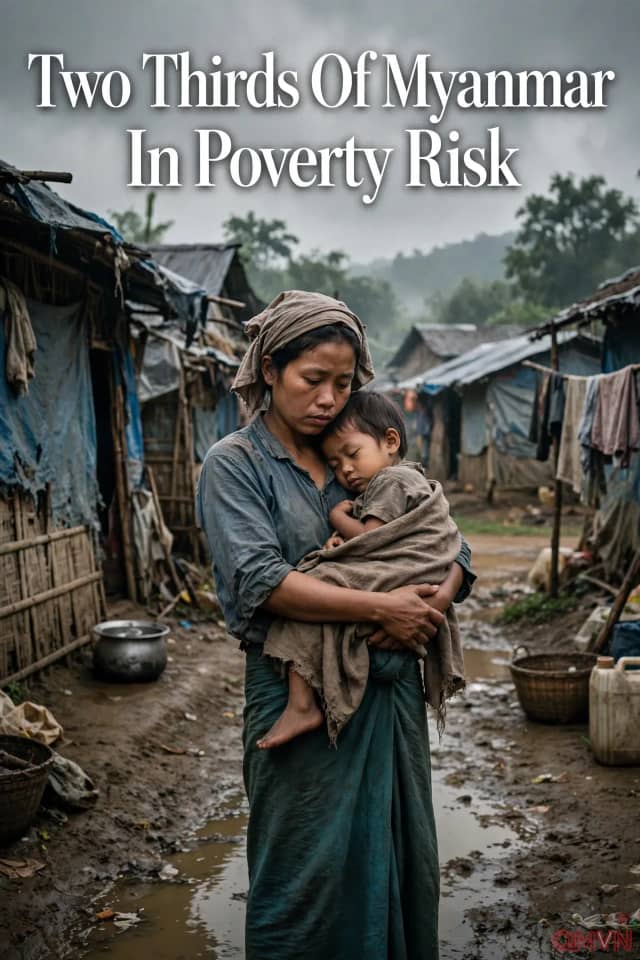
After Rohingya militants attacked security posts in 2016 and again in August 2017, Myanmar’s armed forces mounted sweeping operations. Survivors describe killings, sexual violence and villages set alight; Myanmar has consistently rejected allegations that its campaign constituted genocide. When the shooting approached Zammona, Kamal could not protect the home he had built. He gathered his family and carried little more than papers that might one day demonstrate they belonged there.