MAIN CONTENT
A verdict that changes the public record
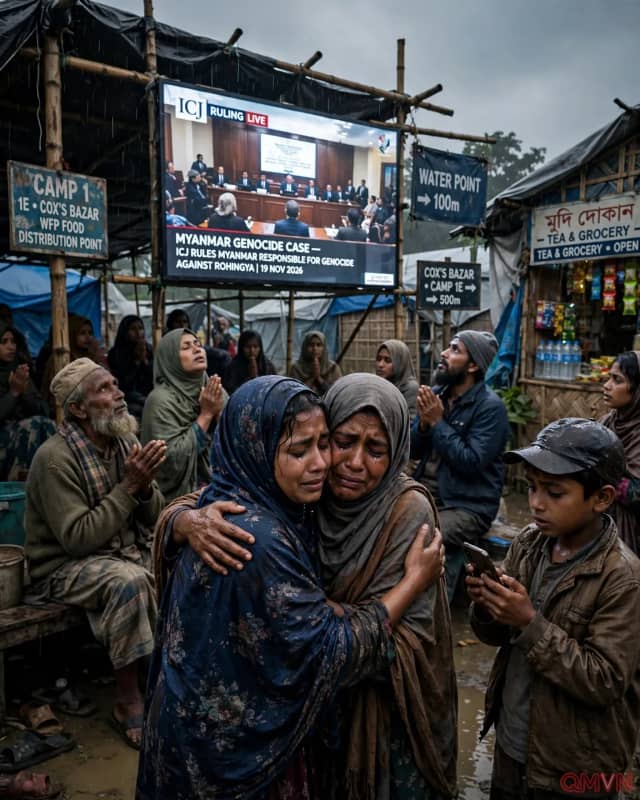
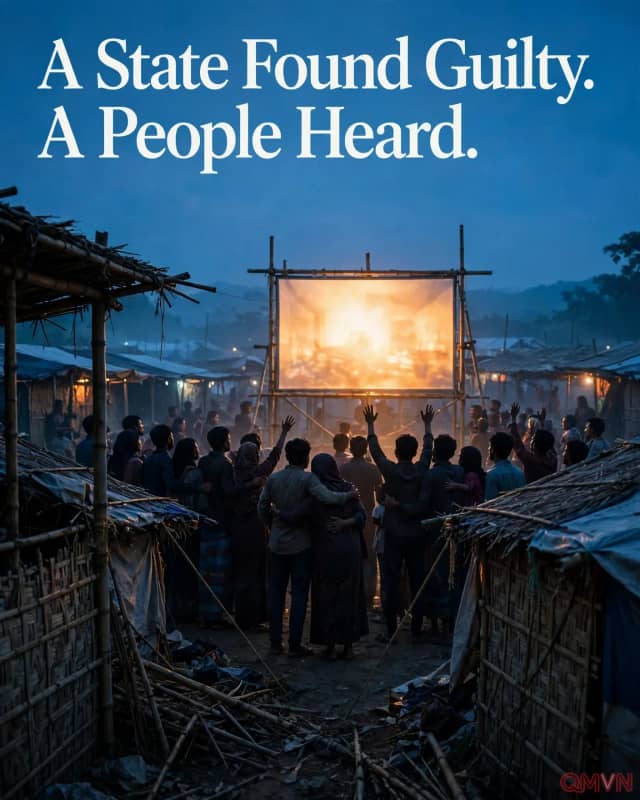
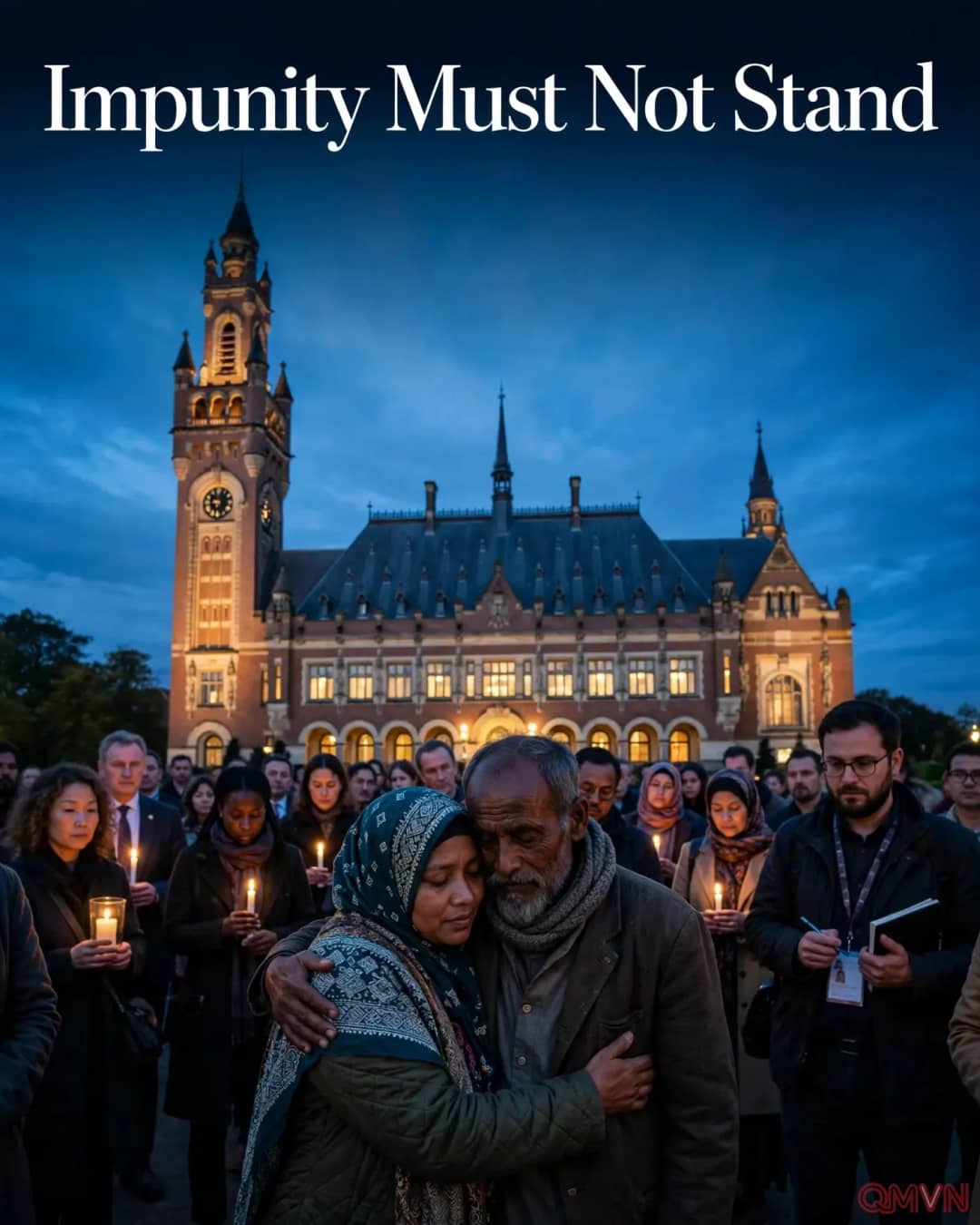
After years of litigation initiated by Gambia in 2019, the court concluded that Myanmar’s conduct toward Rohingya people in northern Rakhine State met the demanding legal threshold for genocide. The judges considered killings, sexual violence, destruction of villages and the pattern of abuses during the military’s operations. A finding of genocide requires proof not only of horrific acts but of an intention to destroy a protected group, in whole or in part. The ruling therefore carries a legal meaning distinct from broader descriptions of wartime atrocities.
The decision also breaks new ground in state responsibility. Earlier international decisions recognized genocide in other historical settings, but this was the first time the ICJ held a state responsible for committing it. The court’s role is different from that of a criminal tribunal: it judges obligations of states rather than sentencing individual commanders. That distinction helps explain both the judgment’s reach and its limits.
Diplomacy moves from expressions of sympathy to pressure
Guterres described the verdict as a demonstration of international justice and said Myanmar must comply. UN human rights chief Volker Türk emphasized the experiences of victims and survivors whose accounts helped establish the record.