Two stories, one election
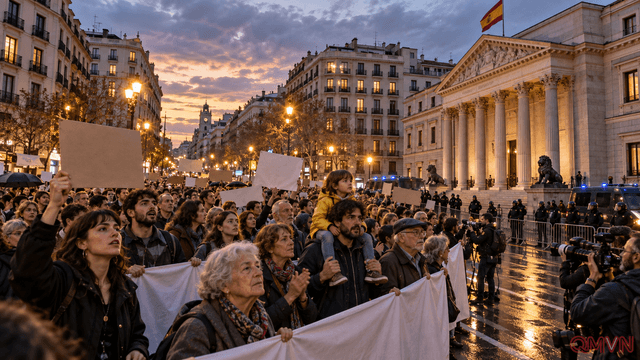
According to The Times, for her supporters the death of María del Carmen Abascal, known affectionately as Maricarmen, was a tragedy. For Prime Minister Sánchez, it was a political opportunity to move the campaign away from the immigration crisis in Ceuta and toward the severe housing shortage her plight came to symbolize.
The right-wing opposition, however, immediately reframed the housing issue by linking it to immigration-driven population growth. Within hours of Sánchez calling the election, Santiago Abascal, leader of the populist right-wing Vox party, demanded “national preference,” deregulation and “remigration” to reverse what he called a migratory invasion.
Ceuta, an unhealed wound
In late July, more than 70,000 people crossed from Morocco into Ceuta, a Spanish territory on the North African coast, with what a senior official described as Rabat’s connivance. A July 8 ruling by Spain’s Supreme Court that migrants arriving by sea should not be returned immediately was partly blamed. More than two months later, thousands remain, with estimates varying:
- The government puts the number at around 9,000.
- The city’s president, Juan Jesús Vivas, cites 15,000.
- A police union suggests as many as 18,000, while Ceuta’s regular population is only about 83,000.
Anxiety is visible on the streets: soldiers guard supermarkets, women carry pepper spray and self-defense classes are full. Vivas described Ceuta as sad, wounded, indignant and on edge. Ahmed Enfeddal, a neighborhood association leader, said the population of El Príncipe had doubled and the community could not bear the pressure forever, though he insisted migrants must be treated humanely.
The opposition bets on migration
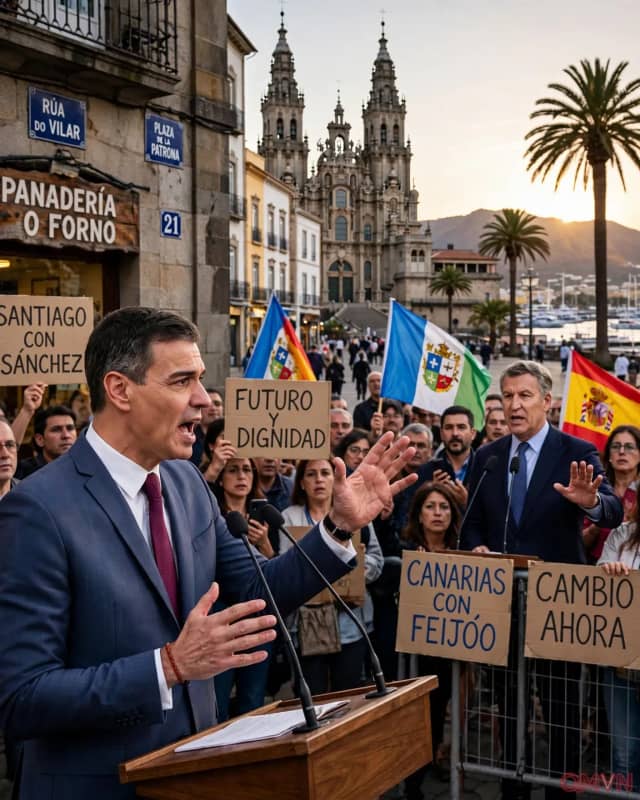
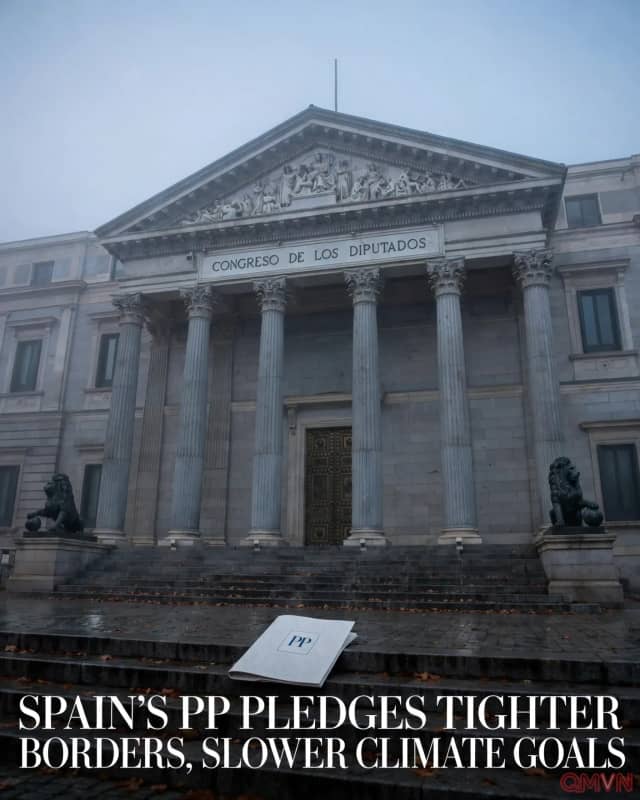
Visiting Ceuta this week, Popular Party leader Alberto Núñez Feijóo pledged to make immigration his government’s priority, declaring that the only solution was for the 15,000 to leave Ceuta and leave Spain. He promised a new immigration law allowing immediate returns, stronger border surveillance and an end to outsourcing border control to Morocco.
The only wall the government should defend is its border.
A senior official familiar with immigration issues warned that Sánchez’s policy of regularizing 500,000 undocumented immigrants acts as a pull factor that could draw at least 1.5 million more people.
He also accused the government of missing the chance to identify and return those without a right to stay, while disputes between ministries over unaccompanied minors delayed processing.
The housing crisis and Sánchez’s gamble
Spain’s central bank estimates a shortage of about 750,000 homes, potentially reaching 1 million by 2028. The population hit 49.8 million in July, up 444,000 in a year, largely through immigration. Since 2020, Spain has gained roughly 2 million residents and 1 million households but completed only about half a million homes, while house prices have risen 26 percent in just two years.
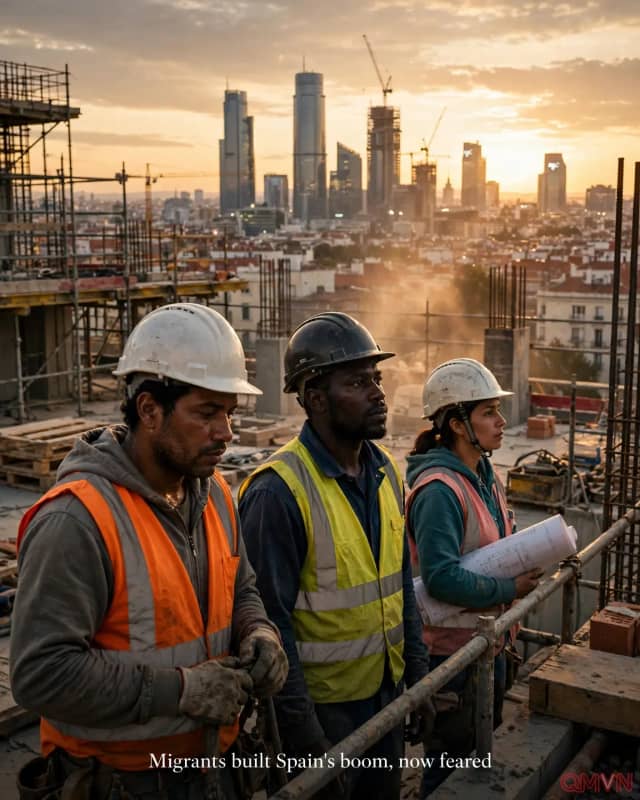
Sánchez responded with emergency measures protecting tenants and restricting investment funds. After the opposition defeated them, he called the election and this week approved revised decrees extending eviction protections to 2030, curbing speculative property purchases and proposing effectively indefinite rental contracts. The Popular Party accused him of electoral opportunism and warned the measures would shrink supply. Meanwhile, immigration continues to help sustain economic growth forecast at 2.5 percent this year, supplying workers for agriculture, hospitality and construction and offsetting an aging population.
The king goes to Ceuta, Rabat speaks out
King Felipe VI and Queen Letizia are due to visit Ceuta on Tuesday and Melilla on Wednesday. It will be the first visit by a Spanish head of state to Ceuta in almost two decades, a trip likely to irritate Morocco, which disputes Spanish sovereignty over both territories.
Opening a new session of parliament on Friday, Morocco’s King Mohammed VI defended his country’s partnership with Spain, saying it was a sovereign choice that could not be subject to any pressure or threat. He said cooperation against illegal migration had produced results but that the current model had reached its limits, and criticized outdated court decisions that hamper the repatriation of minors and false asylum claimants. For Ceuta’s residents, the king’s visit offers reassurance that Madrid has not forgotten them.